Pekingese dogs are usually not the best fit for families with young children, but they can do well with older kids who understand how to treat pets with care. While these dogs are affectionate and loyal, their small size and strong-willed personality mean they may not enjoy rough or loud play. Younger kids who don’t know how to respect a dog’s space might make a Pekingese feel nervous or even snappy.
These dogs become more comfortable with children if they are socialized early and have positive experiences around them. Every dog is different, and some families find that a Pekingese is a gentle companion when both the dog and the kids learn how to behave together. Anyone considering a Pekingese should think about the ages and personalities of the kids in their home.
Table of Contents
Understanding the Pekingese Temperament
The Pekingese is a small dog breed known for its bold personality and strong attachment to its owners. This breed often forms close bonds with family members, but its independent and unique traits set it apart from many other dogs.
Affectionate and Loyal Nature
Pekingese are deeply affectionate toward the people they trust. They often choose one or two favorite humans and show their loyalty in subtle ways, like sitting close by or following them from room to room.
This loyalty means they enjoy being part of family moments and can form very strong emotional bonds with adults and older children. Pekingese are gentle pets when approached respectfully and thrive when included in daily routines.
They may be shy or reserved around strangers. Early socialization is important to help them feel comfortable in new situations and with various people.
Stubbornness and Independence
Pekingese have a reputation for being independent thinkers. They were bred to be companions to Chinese royalty and still display a dignified, sometimes stubborn temperament today. This can mean they prefer to do things on their terms and may not always listen to commands immediately.
Training a Pekingese often takes patience and positive reinforcement. They respond best to gentle guidance and consistency rather than harsh corrections.
Their independence also means they value quiet moments alone and may retreat when overwhelmed. Owners should respect their need for space, especially in busy households.
Playfulness and Gentleness
Although not as energetic as some breeds, Pekingese enjoy gentle play, especially with people they trust. Their playful nature often comes out in short bursts, like chasing a favorite toy or engaging in a calm tug-of-war.
They are gentle pets but can be sensitive to rough handling. Their small size and delicate features make them less suited to active, rowdy play often seen with young children.
Short play sessions and soft games work best. Supervision is important when children interact with a Pekingese, ensuring play stays safe for both the dog and the child.
Pekingese Dogs and Children: Are They a Good Match?
Pekingese dogs are affectionate and loyal, yet their behavior and needs vary from many other popular family pets. Size, patience, and temperament all affect how well they fit into homes with children.
Suitability for Families and Older Children
The Pekingese dog is well known for being gentle and loving, but it is better suited to families with older children. This breed is small and can be easily hurt by rough play, so it may not always do well with active toddlers.
Pekingese tend to bond closely with one or two people in the household. They are patient when handled with care but dislike being handled roughly. Families looking for a calm companion may find the Pekingese a good match, as long as children understand how to treat the dog gently.
They are less tolerant of loud noises and sudden movements, traits often seen in younger kids. Households with children over the age of six or seven usually do better with a Pekingese as a family pet. Early introductions and calm environments help the dog adapt more easily to family life.
Cuddling, Companionship, and Patient Interactions
Pekingese dogs are affectionate and enjoy close contact, making them solid cuddle buddies for the right people. Their loyalty and strong bonding ability can bring comfort, especially to children who prefer cuddling over wild games. The dog’s small size means cuddling should always be gentle to prevent injury.
Despite their loving nature, Pekingese are not as tolerant of constant fussing as some other breeds. They often send clear signals when they want alone time. This breed values calm and patient interactions, blending well with quieter children who respect its space.
Pekingese require trust to show their affectionate side. Consistent and kind treatment helps them open up, deepening the bond between child and pet. For families seeking steady companionship rather than a high-energy playmate, the Pekingese may be a good fit.
Teaching Children to Interact Safely
Clear rules help set the foundation for a safe and positive relationship between children and a Pekingese. Teaching children to approach the dog slowly, pet softly, and avoid sudden hugging is essential. Older children, who can understand these rules, tend to do best with this breed.
A short list of teaching tips includes:
- Always pet gently and avoid squeezing.
- Do not disturb the Pekingese while it eats or sleeps.
- Learn to spot signs the dog wants a break, such as moving away or looking uncomfortable.
Supervised play helps prevent accidents and builds trust. Parents should show children the best ways to interact by setting an example with their own gentle handling. With proper guidance and patience, Pekingese can develop a trusting and gentle bond with children.
Training and Socialization of Pekingese Dogs
Pekingese dogs benefit from structured training and regular socialization because of their independent nature. Early and consistent efforts help them adapt to families and reduce unwanted behaviors.
Importance of Early Socialization
Early socialization for Pekingese dogs is key to helping them feel confident and safe around people, children, and other animals. Puppies should meet new people, hear different noises, and visit new places while they are young.
Careful exposure reduces shyness and fear. It helps prevent barking or aggression when facing new situations. Even though they are small, Pekingese may become protective if not socialized well.
Owners should introduce them to calm children and gentle pets. This makes it easier for the dog to handle busy family life without stress or fear.
Using Positive Reinforcement
Pekingese respond best to positive reinforcement methods. They enjoy treats, praise, and gentle petting when they do something good. Using rewards helps the dog want to learn and repeat good behaviors.
Table: Tips for Positive Reinforcement with Pekingese
| Method | Example |
|---|---|
| Treats | Small pieces of food |
| Praise | “Good dog!” |
| Toys | A favorite squeaky toy |
Punishment or harsh words do not work well and can hurt their confidence. Short training sessions of 5–10 minutes work best, as Pekingese may lose interest quickly.
Overcoming Stubbornness and Building Self-Esteem
Pekingese often have a stubborn side that can slow down training. They may ignore commands if they do not feel like listening or if they are bored.
Patience is important. Owners should use consistent routines and never give up when the dog refuses to obey. Instead of focusing on mistakes, it is better to praise any small progress.
Building self-esteem in a Pekingese grows from letting them succeed at easy tasks and then slowly making challenges a bit harder. This step-by-step approach helps the dog feel more confident and eager to learn.
Living With a Pekingese: Family Life and Environment
Pekingese dogs have a unique temperament and specific care needs that make them best suited for certain types of homes. Their low energy, protective nature, and preference for companionship should guide how families interact with and care for them.
Exercise Needs for Low-Energy Dogs
Pekingese are known for having low exercise requirements. Short walks of about 15 to 20 minutes each day are usually enough. Indoor play also helps them stay active.
They do not need vigorous activity and can be sensitive to heat. Owners should watch for heavy panting, especially in warm weather. Because their bodies are close to the ground, rough play or jumping from heights should be avoided to protect their backs.
Table: Typical Daily Activities for a Pekingese
| Activity | Time Needed |
|---|---|
| Walks | 15–20 minutes |
| Indoor Play | 10–15 minutes |
| Rest | Several hours |
Offering toys and engaging in gentle play helps meet their daily movement needs. Families with very active children should teach them to play gently with a Pekingese.
Adapting to Apartment and City Life
Pekingese adjust well to apartment and city living. Their small size and calm behavior mean they do not need a large yard. They are comfortable in cozy spaces as long as they have a safe spot to rest.
They may bark at noises or unfamiliar people, which can make them good watchdogs. However, training can help control excessive barking in close quarters.
Access to nearby parks or green spaces is a plus, but not a requirement for this breed. Consistent routines help them feel secure in busy environments. Owners should be careful during walks, keeping the dog away from crowded areas to prevent stress.
Separation Anxiety and Companionship Needs
Pekingese form strong bonds with their families and do not like being left alone for long periods. Separation anxiety can be a problem if they are left by themselves too often. Signs may include barking, whining, or destructive behavior.
A consistent schedule and maintaining a calm environment help reduce stress. They do well when someone is usually at home, such as with families who work from home or have flexible hours.
Simple steps to help manage their need for companionship include:
- Providing soft bedding or a favorite toy while away
- Using background noise like a radio
- Coming and going calmly to prevent excitement or distress
Having a reliable routine and plenty of attention allows a Pekingese to thrive as a companion animal in the family home.
Care, Health, and Grooming of Pekingese Dogs
Pekingese need special attention because of their thick coat and small size. Their health and well-being can depend on how carefully owners manage their grooming, watch for health issues, and raise them as puppies.
Grooming the Unique Mane
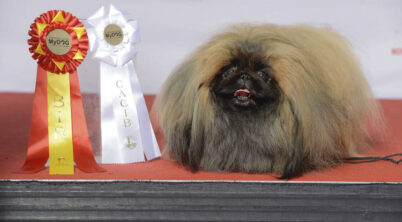
The Pekingese coat is long and dense, with a signature mane that can easily become tangled or matted. Brushing is needed at least two or three times per week, ideally daily, to keep their fur smooth and prevent mats. Using a pin brush or bristle brush works best.
Owners should pay extra attention to the areas behind the ears, under the legs, and around the neck, as these are most likely to tangle. Regular bathing, every 3-4 weeks, keeps their coat clean. Trimming the hair around the paws and eyes can also help prevent discomfort and infections.
A simple checklist of key Pekingese grooming tools:
| Tool | Purpose |
|---|---|
| Pin/Bristle Brush | Removes tangles, smooths coat |
| Mat Breaker | Breaks up tough mats |
| Blunt Scissors | Safely trims around face |
| Pet Clippers | Trims hair for hot weather |
Typical Health Issues and Lifespan
Pekingese are prone to some health problems due to their short face, small body, and dense coat. Brachycephalic airway syndrome is common, causing breathing difficulties, especially in hot weather. They may also experience eye issues like corneal ulcers, and their short legs make them prone to joint problems.
Regular vet checkups can help catch problems early. Owners should watch for signs of breathing trouble, eye redness, or lameness in the legs. The average lifespan is about 12–14 years, but a well-cared-for Pekingese may live longer with a balanced diet and careful monitoring.
Dental health is important, so brushing their teeth should be part of their routine.
Caring for Pekingese Puppies
Pekingese puppies require gentle handling and extra care because of their small size. It’s important to choose a food suited for puppies to support their growth and development. Feedings should happen on a set schedule, and fresh water should always be available.
Their thick fur can start matting early, so begin grooming routines at a young age. Use a soft brush and be gentle to help the puppy learn. Socialize them slowly, as Pekingese can be wary of strangers and new situations.
Vet visits for vaccines and checkups are needed. Regularly check their ears, eyes, and skin for any signs of irritation or infection. Supervision around young children is also suggested, since puppies are delicate and need protection from rough handling.
Additional Considerations for Prospective Owners
Pekingese dogs may look small and friendly, but they have traits that matter for families. Their watchdog style, vocal habits, and history shape how they fit into a household.
Pekingese as Watchdogs
Pekingese are alert and protective. Even with their small size, they act as good watchdogs. They have a strong sense of loyalty to their family and are cautious toward strangers.
These dogs often position themselves at windows or doorways to watch their environment. Their keen senses help them notice unusual activity quickly. When they sense something wrong, they react with barking or a defensive posture.
While they will not physically protect children, their tendency to sound the alarm is helpful. Pekingese fit in homes that want a vocal alert, not just a playful pet.
Barking and Noise Levels
Barking is common in the Pekingese breed. They are known to be vocal and expressive, especially when meeting new people or hearing noises. Pekingese will often bark at guests, delivery people, or other animals outside the home.
Their barking can be high-pitched and persistent. Families who live in apartments or quiet neighborhoods may need to consider this trait. While some training can help reduce unnecessary noise, their watchdog nature makes barking hard to eliminate entirely.
For children, this means a noisy home may not bother the dog. Sensitive kids may need guidance on how to respond calmly when the Pekingese barks. Ear protection or a quiet retreat can help during noisy times.
Understanding Pekingese Pros and Cons
Owning a Pekingese comes with both positive and negative points.
Pros:
- High affection for family members
- Often gentle with older children
- Loyal and protective
Cons:
- Grooming needs can be high due to their long coat
- Stubborn streak makes obedience training a challenge
- Sensitive breathing because of their flat face
- Prone to certain health issues, like eye problems
Prospective owners should weigh these factors, especially if children are involved. Daily brushing, regular vet visits, and patient handling are all required for a healthy home environment with a Pekingese.
Historical Roots with Chinese Royalty
The Pekingese breed has a rich history linked to Chinese royalty. For centuries, Pekingese were the devoted companions of the emperors and lived in imperial palaces. Only royal families owned Pekingese, and stealing or harming the dogs could result in severe punishment in ancient China.
This royal background is visible in their proud and dignified personality. They often carry themselves with confidence, which may look like stubbornness or independence to some. Their royal status also shaped their selective approach to affection—they favor close family and may be wary of strangers.
Understanding this background can help families see why Pekingese may act reserved or aloof with new people or rowdy children. Their instincts were shaped by years as a status symbol and cherished pet.
* Banner photo by RoxanneHSG, cropped | Some rights reserved.