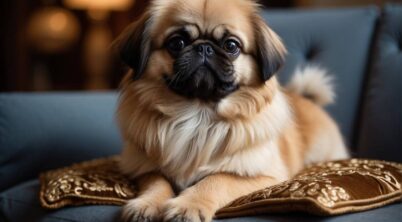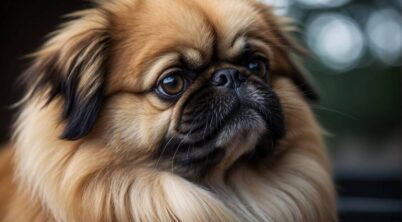
Pekingese dogs are known for their wide range of beautiful coat colors, which include red, fawn, black, cream, blue, and many unique combinations. This variety makes the breed stand out and gives each dog a unique look. Some Pekingese even have special markings, like masks or patches, adding even more character to their appearance.
People are often drawn to certain shades, with red, fawn, and cream among the most popular. However, there are many rare or unusual colors that also make these dogs special. Learning about the different colors and patterns can help future owners pick the perfect Pekingese that matches their style and personality.
Table of Contents
Overview of Pekingese Dog Colors
Pekingese dogs come in a wide range of coat colors and patterns, giving each dog a unique look. Some of their colors have special meaning in dog shows, breeding, and even their history.
Importance of Coat Color in Pekingese
Coat color in Pekingese dogs isn’t just about looks. Owners and breeders often choose certain colors because they stand out or have cultural significance. Some shades, like red, are linked to the breed’s royal history in China.
Individual Pekingese dogs may have one solid color or a mix of colors and markings. Common colors include red, fawn, cream, black, white, and grey. Markings can range from black masks to white patches on the chest or paws. The color of the coat can also impact a dog’s popularity and price.
Breed Standards and Accepted Colors
The breed standards for Pekingese dogs are set by kennel clubs, such as the American Kennel Club (AKC). According to these standards, nearly all colors and combinations are accepted. However, colors like liver and albino are not allowed for showing or breeding because they lack black pigmentation.
A list of common accepted colors includes:
- Red
- Fawn
- Black
- Cream
- White
- Sable
- Brindle
- Parti-color (white with patches of another color)
Proper markings, like a black mask or white blaze, are also recognized. Coat color does not affect judging in the show ring, as long as the dog meets other breed requirements.
Genetics Behind Pekingese Colors
Color in Pekingese dogs is controlled by several genes that determine both shade and pattern. Basic coat colors like black and red come from dominant genes, while rare colors or patterns come from recessive ones. Brindle, for example, is a mix of dark and light stripes and is less common due to its specific genetic combination.
Some genes also control markings, such as white patches or a black facial mask. The genetics behind albino or liver colors prevent black pigment, which is why these are not accepted for showing. Breeders often select parent dogs with desirable genetics to produce puppies with preferred colors and patterns. Understanding these genes helps breeders avoid health risks linked to certain rare colors.
Most Popular and Recognized Pekingese Colors
Pekingese dogs have coats that come in a wide variety of colors, each with noticeable differences in tone and appearance. Some shades are seen more often and are especially prized by owners and breeders for their classic look and historical ties.
Fawn Pekingese
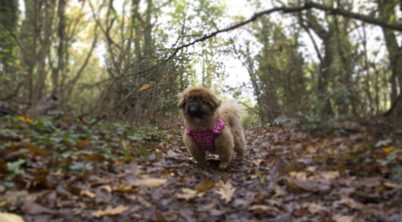
Fawn is one of the most common colors for Pekingese dogs and is easily recognized by its warm, tan to light brown shade. This color often appears as a solid or might blend softly into other tones around the chest or face. Fawn Pekingese may have darker masks—especially around the muzzle and eyes—which creates a striking contrast.
Owners like fawn Pekingese for their gentle, soft appearance. Puppies sometimes darken or lighten as they grow, but most keep the same fawn base as adults. Grooming routines are important to keep the coat looking tidy and bright, especially because lighter shades show dirt more easily.
Fawn is often chosen as a show color, making these dogs popular in competitions and as pets. The classic Pekingese features are easy to notice with this coat color, making it a favorite among enthusiasts.
Red Pekingese
Red Pekingese are known for their rich, vibrant coats that can range from deep mahogany to lighter, coppery red. The red color is often linked to the breed’s royal history in China, where these dogs were kept by the imperial family. Their red coats stand out and are sometimes paired with black tips or shading around the ears and mane.
The coat may change slightly as dogs age, with puppies sometimes starting darker and lightening over time. This changing color adds to their unique charm. Red Pekingese can be seen with both solid red coats or coats blended with other colors, especially around the chest.
This color is often described as lively and bold, giving the dog a spirited look. Many breeders and owners see this shade as one of the breed’s most traditional and eye-catching options.
Black Pekingese
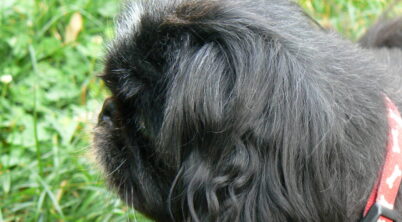
Black Pekingese dogs have a deep, glossy coat that gives them a dramatic and elegant appearance. True black Pekingese have solid black fur without lighter markings, although some may have small spots of white on the chest or paws. Their eyes and nose usually match their dark coat, giving them a very unified look.
The shine and fullness of the black Pekingese coat appeal to many owners. Regular grooming helps keep the color looking rich and prevents fading or dullness. Black fur can show dust or lint, so upkeep is especially important for these dogs.
This color is less common than fawn or red but is very popular with those who want a striking and classic-looking companion. Black Pekingese dogs often make an impression in both dog shows and at home.
Cream Pekingese
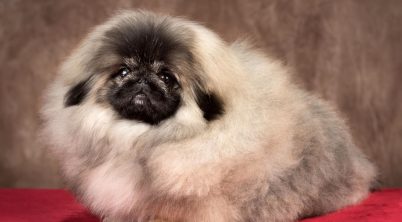
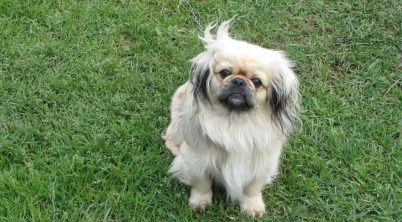
Cream Pekingese are known for their light, pale coats that range from soft ivory to a buttery cream. These dogs have a very gentle and almost elegant look. The cream color can sometimes appear almost white in certain lights but usually has a warm undertone.
Their coats tend to look fluffy and soft, which adds to their cuddly appeal. Cream Pekingese often have slightly darker shading on the ears, tail, or around the muzzle, but the overall look is still light. Puppies may lighten as they mature, with adult coats becoming even paler.
This color is especially popular among owners who want a dog that stands out but still looks refined. Regular cleaning is important to keep the coat bright, as dirt can show easily on lighter fur.
Here is a quick comparison of traits for these four popular Pekingese colors:
| Color | Common Features | Popularity in Shows | Grooming Needs |
|---|---|---|---|
| Fawn | Soft tan, dark masks | Very High | Moderate |
| Red | Vivid reds, black tips | High | Moderate-High |
| Black | Glossy solid black | Moderate-High | High |
| Cream | Pale, fluffy, elegant | Moderate | High |
Rare and Unique Pekingese Colors
Some Pekingese colors and patterns are not often seen in this breed. These rare types are prized for their distinct look and often attract admirers looking for a special companion.
White Pekingese
The white Pekingese stands out with a solid, snow-white coat. True white Pekingese do not have any cream or fawn tint. Their noses, eye rims, and lips are black, which creates a strong contrast against the bright fur.
White Pekingese are less common than other colors. Breeders must select carefully to achieve the pure white shade while keeping the dog’s health and structure in mind.
This color is not linked to albinism. White Pekingese have normal pigment in their eyes and skin. Some may be more prone to staining, especially around the face and paws, which can require extra grooming to keep their coat clean.
| Trait | Details |
|---|---|
| Coat color | Solid white |
| Nose/eye rims/lips | Black |
| Pigment in eyes | Normal (not albino) |
| Rarity | Uncommon |
Brindle Pekingese
Brindle Pekingese have a coat marked by streaks, swirls, or stripes of various shades. These stripes usually appear as darker markings on a lighter background color, such as gold, red, or even cream. The brindle effect can vary a lot—some dogs are boldly striped, while others have a subtle marbled pattern.
This pattern is caused by specific genes that affect how color is distributed in the coat. Brindle is less common in Pekingese than in many other breeds, making each dog unique.
Grooming can highlight or soften the brindle look, depending on how the fur is trimmed. Owners often notice the brindle pattern is more visible when the coat is freshly brushed and clean.
Brindle Key Details:
- Not a color, but a pattern
- Seen in multiple base colors
- Rare in Pekingese compared to other breeds
Unusual Patterns and Markings
Some Pekingese show unusual patterns such as parti-color, where white patches mix with darker colors. No two parti-color dogs have the same markings, making each truly unique.
Another rare pattern is the “silver” or “silver-gray” coat. This color comes from genes that dilute black pigment, making the fur shimmer with a soft gray tone. These dogs often have lighter eye rims and paw pads to match.
Other special markings can include black masks on the muzzle or white socks on the feet. These features give every Pekingese an individual look that stands out from the typical solid or sable coat. Grooming and genetics both play roles in how visible these patterns are.
Physical Traits Related to Coat Color
Pekingese dogs display a wide range of coat colors that interact with their structure and health in unique ways. Different coat patterns can influence grooming needs and may connect to health sensitivities, requiring attention from owners.
Rolling Gait and Coat Structure
Pekingese are known for their signature rolling gait, which comes from their wide-set, bowed legs and compact body. Their luxurious double coat, whether solid or patterned, often accentuates this unique walk.
The outer coat is long and coarse, while the undercoat is soft and thick. This combination adds to the breed’s signature appearance and impacts how their coat colors display, with lighter shades sometimes appearing fuller and darker colors giving a more defined silhouette.
Coat color does not directly affect gait, but the length and density can affect how their movement looks. Brighter shades like cream can make the rolling gait more noticeable, while darker coats may highlight the mane and bushy tail in motion.
Health and Grooming Implications
Coat color and structure often influence grooming routines. Dogs with lighter coats, such as white or cream, may show dirt and staining more easily, leading owners to bathe and groom them more frequently. Darker coats may hide some dirt, but still need the same regular brushing to prevent matting.
A thick double coat, whether brindle, red, or black, requires consistent grooming to avoid tangles and to keep the skin healthy. Regular checks for debris, especially in dense or multi-colored fur, are important, as trapped dirt can cause irritation.
Some coat colors, especially the lighter ones, can be more susceptible to sun damage or fading. Owners might notice color changes after sun exposure or over time, and may need to use special shampoos or safe sun protection.
Color-Linked Sensitivities
Certain coat colors, particularly those with heavy white or dilute genes, can sometimes be associated with skin sensitivity. Light-colored Pekingese may have more delicate skin that is prone to sunburn or irritation.
Albino or very pale Pekingese can be more vulnerable to environmental factors, so they may need additional protection during sunny walks. In rare cases, dogs with unusual color patterns (like blue or extreme piebald) may have a higher
Choosing the Right Pekingese Color for Your Lifestyle
Pekingese dogs come in many colors, each with its own look and history. Some people pick a color based on appearance, while others think about meaning, grooming, or how the dog fits their daily life.
Factors to Consider When Selecting Color
Choosing a Pekingese color should include practical points and personal taste. Darker coats, like black or deep red, tend to shed less visibly, which helps homes stay looking cleaner. Lighter coats, such as cream or white, often show dirt and stains more easily and need more frequent grooming.
Sun exposure is another factor. For example, dark-colored Pekingese may feel heat more in hot weather, while lighter dogs can get sunburned if they spend too much time outside. Home environment also matters. Those with dark furniture may find light hair more noticeable.
Here’s a quick checklist:
| Factor | Darker Colors | Lighter Colors |
|---|---|---|
| Hair Visibility | Hides shedding better | Shows hair more |
| Grooming Needs | Stains less obvious | Prone to stains |
| Sun & Heat Sensitivity | May feel hotter | Sunburn risk |
Grooming style matters, too. Some people like bold looks, like a black mask with a fawn body. Others may prefer solid, pale colors for a classic look. Personal lifestyle and time for grooming should guide the decision.
Color, Temperament, and Historical Symbolism
In the Pekingese breed, coat color does not change temperament. All colors share the same core traits: dignity, loyalty, and boldness. Myths suggest certain colors, such as red, have deeper meanings, representing luck or strength in Chinese history. This influence adds tradition or personal value to a choice.
Collectors and breeders sometimes seek rare colors, such as blue or chocolate, for their unique look. However, rarity does not mean a difference in energy or behavior. Only breed standards for shows may have rules about colors.
Those who value tradition may like red or gold, seen as “royal” shades since these dogs once lived in palaces. If someone wants a symbolic touch, certain colors offer that connection, but for a pet, health and fit are more important than color alone. Consider both meaning and care when picking a color.
* Banner photo by Galawebdesign, cropped | Some rights reserved.