Many people get Pugs and Pekingese confused because they are both small dogs with flat faces and lots of personality. But these two breeds have clear differences in appearance, temperament, and care needs. Pugs are usually friendlier with people and other pets, while Pekingese tend to be more independent and protective.
Both breeds have flat faces, but the Pug is typically more muscular and has fewer coat requirements, while the Pekingese has a longer, thicker coat that needs regular grooming. Their histories, temperaments, and health risks are also not the same, which can make one breed a better fit for a specific family.
Knowing the real differences between a Pug and a Pekingese will help anyone pick the right match for their home and lifestyle.
Table of Contents
Key Differences Between Pugs and Pekingese
Pugs and Pekingese are both popular toy breeds, but they differ in several important areas. Their appearance, size, and grooming needs stand out the most for anyone trying to choose between them.
Physical Appearance
The pug breed is known for its compact, muscular build and a round, wrinkled face. Pugs have broad chests, short legs, and a distinctive curled tail. Their ears are small and soft, often described as “rose” or “button” shaped.
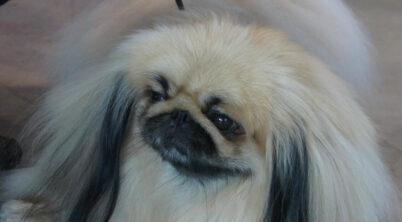
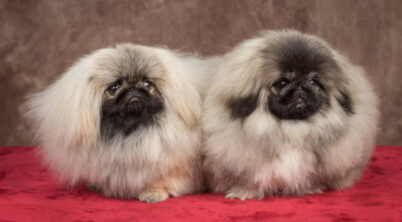
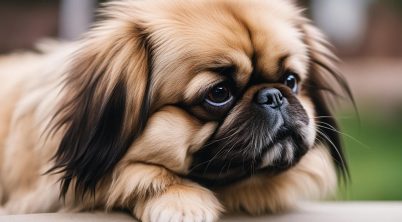
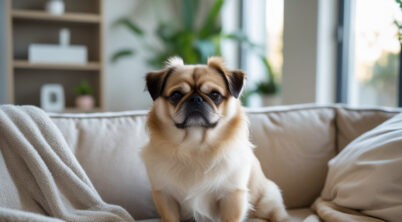
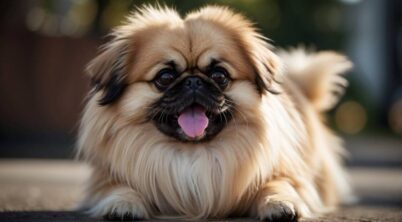
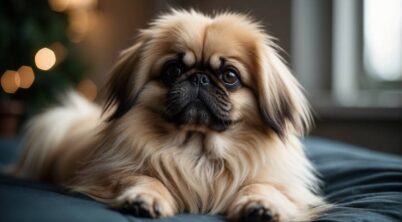
The Pekingese breed has a more elongated body with a lion-like mane of fur around its face. They have a flat face, large, dark eyes, and heart-shaped ears that frame their head. Their bodies can look low to the ground due to their longer, flowing coat and short legs.
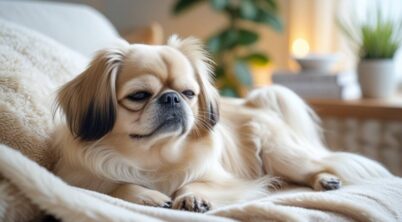
Both breeds have brachycephalic (flat) faces, but the Pekingese appears more pronounced due to its heavier fur and mane. The puginese, a cross between these breeds, often shows a blend of these features.
Size and Weight Comparison
Both the pug and Pekingese are small dogs, but they differ slightly in size and weight. Pugs typically weigh between 14 to 18 pounds (6 to 8 kg) and stand 10 to 13 inches (25 to 33 cm) tall at the shoulder. Their bodies are stocky and sturdy for a toy breed.
Pekingese usually weigh less, between 7 to 14 pounds (3 to 6 kg). They are shorter too, standing only 6 to 9 inches (15 to 23 cm) tall at the shoulder. Their bodies are longer than they are tall, giving them a unique profile for a toy breed.
These size differences may affect which breed is better suited for certain homes, especially if children or other pets are present.
Coat and Grooming Requirements
Pugs have short, smooth, and glossy coats. Their fur may shed, but routine brushing—about once a week—will keep their coat healthy. Bathing is only needed occasionally. Their wrinkled faces need regular cleaning to prevent skin problems.
Pekingese have a long, thick double coat that needs frequent care. Daily brushing is often required to prevent tangles and mats. They also shed, sometimes heavily, and need regular baths. Because of their dense fur around the face, extra attention is needed to keep eyes and skin folds clean.
The puginese mix often falls somewhere in between, but generally has higher grooming needs than a pure pug, yet easier maintenance than a full Pekingese.
Table: Coat & Grooming Comparison
| Breed | Coat Type | Grooming Needs | Shedding Level |
|---|---|---|---|
| Pug | Short, smooth | Low | Moderate |
| Pekingese | Long, double coat | High (daily) | Heavy |
| Puginese | Varies | Moderate to High | Moderate |
Breed Origins and Recognition
The Pug and the Pekingese both have roots in ancient China, but each developed along a separate path. These breeds carried special significance to Chinese royalty and are now officially recognized by major canine organizations.
Historical Background in China
The Pekingese is one of the oldest toy breeds, dating back over 2,000 years. It was first bred in the imperial palaces of China.
This breed was called the “Lion Dog” because its appearance was meant to copy the mythical Chinese guardian lions.
The Pug also comes from ancient China, with records of the breed appearing around 400 BCE. Pugs were known as companions to the ruling families, but their looks and personalities were quite different from the Pekingese.
While both breeds were bred as companions, the Pug is believed to have come from a small, smooth-coated dog, possibly related to the short-haired Pekingese, but this theory is still debated.
Selective breeding for their flat faces (brachycephalic features) led to some shared traits.
Royal Heritage and Cultural Significance
Pekingese were treasured by Chinese emperors. Only members of the royal family and certain nobles were allowed to own them.
Their regal status is reflected in Chinese art and literature, and stealing one could even be punishable by death.
The Pug was also a favorite among Chinese royalty. However, it did not have the same strict ownership rules as the Pekingese.
When Pugs came to Europe in the 16th and 17th centuries, they quickly became favorites of royal courts, including those in Holland and England.
Both breeds were regarded as symbols of luck, loyalty, and protection.
The Pekingese, in particular, was thought to bring good fortune to the palace and appeared in traditional Chinese ceremonies.
AKC Recognition and Standards
Pug:
- Officially recognized by the American Kennel Club (AKC) in 1885.
- Classified in the Toy Group.
- Breed standard highlights a compact, square body, curled tail, and wrinkled face.
Pekingese:
- Recognized by the AKC in 1906.
- Also part of the Toy Group.
- Breed standard describes a long, flowing coat, broad chest, and a distinctive “lion-like” mane.
Both the Pug and Pekingese must meet AKC standards to enter dog shows or be bred as show animals.
Recognition by the AKC ensures the breed maintains its defining traits and history.
Temperament and Personality Traits
Both Pugs and Pekingese are companion dogs, but their personalities and behaviors set them apart. They differ in how they connect with families, handle training, and manage their daily energy.
Family Compatibility and Sociability
Pugs are friendly and sociable with most people. They usually enjoy the company of children and other pets, making them a good fit for families or households with frequent visitors. They often seek out attention and love being part of activities.
Pekingese dogs, in contrast, are more reserved and independent. They bond closely with their owners but may act standoffish around strangers or other animals. Many Pekingese are loyal and protective, standing their ground despite their small size.
Key Differences:
- Pug: Outgoing, affectionate, thrives on attention from everyone.
- Pekingese: Loyal, may be aloof with outsiders, tends to form tight bonds with a few people.
Pugs adapt well to busy households, while Pekingese are better for calm environments where routines are predictable.
Trainability and Intelligence
Pugs are intelligent but can sometimes be stubborn. They respond best to positive reinforcement, like treats or praise. Many Pug owners find that short, fun training sessions work well for teaching commands and house manners.
Pekingese dogs are smart but often show a strong independent streak. They may ignore commands if not properly motivated or if they sense the owner is inconsistent. Early socialization and gentle, patient training help bring out their best.
Training Comparison:
| Trait | Pug | Pekingese |
|---|---|---|
| Intelligence | Moderate | Moderate to high |
| Willingness to Train | Eager, stubborn | Independent, stubborn |
| Training Style | Positive, short | Patient, consistent |
Pekingese will not respond well to harsh training but benefit from calm instruction. Pugs, while sometimes distracted, often work for food or attention.
Energy Levels and Exercise Needs
Pugs have moderate energy. They like short walks and some play but are not overly active. Their breathing structure means they are not suited for intense exercise or hot weather. Regular, gentle activity is best.
Pekingese are less active than Pugs. They enjoy lounging and are content with short periods of play or a daily walk. Because of their small size and flat faces, they should not be pushed to over-exert.
Neither breed needs a large yard. Both are suited to apartment living and mostly want time indoors with their family. It is important to keep both breeds at a healthy weight, as extra pounds can put stress on their bodies.
Health Considerations and Common Issues
Pugs and Pekingese both face health risks because of their flat faces and small size. The most frequent problems involve breathing, eye health, and joint issues.
Brachycephalic Syndrome and Breathing Difficulties
Both Pugs and Pekingese are brachycephalic, which means they have short, flat noses. This feature looks cute, but it can make it hard for them to breathe properly.
Many dogs of both breeds suffer from Brachycephalic Obstructive Airway Syndrome (BOAS). Signs of this syndrome include noisy breathing, snoring, difficulty exercising, and overheating, especially in hot weather. These breathing issues get worse if the dog is overweight.
Owners should avoid too much exercise in warm weather and never leave their dog alone in hot cars. Surgery can help some severe cases, but not all dogs will need it.
Eye Problems in Both Breeds
Pugs and Pekingese often have large, prominent eyes. This makes them more likely to have eye injuries and eye diseases. Common problems include corneal ulcers, dry eye (keratoconjunctivitis sicca), and sometimes the eyeball can even pop out (proptosis) if the dog is injured.
Both breeds can also suffer from entropion, where the eyelids roll inward and cause irritation. Frequent eye cleaning and regular vet checkups lower the risk of infection and injury.
Families should be careful during play because even a small accident or rough handling might cause eye damage. If a dog ever squints, rubs its eyes, or the eyes look red, a vet should be seen right away.
Genetic Conditions: Patellar Luxation and Hip Dysplasia
Pekingese and Pugs can both inherit joint problems. Patellar luxation is when the kneecap moves out of place. This causes limping or sudden skipping when the dog walks. Some dogs act like nothing happened, but others might need surgery to prevent pain and arthritis.
Hip dysplasia is less common in these small breeds than in big dogs but can still happen. With hip dysplasia, the hip joint does not fit together right, making it hard for the dog to move or get up.
Signs to watch for are stiffness, trouble jumping, or a change in how the dog runs. Keeping the dog at a healthy weight and providing low-impact exercise can help lower the risk of these bone and joint issues.
Popularity, Availability, and Cost
Pugs and Pekingese are both popular companion dogs, but their demand, prices, and suitability for new dog owners are not the same. Understanding these key factors can help a person decide which breed might fit better with their lifestyle and budget.
Breed Popularity and Demand
The pug is widely recognized in many countries and often ranks among the top toy breeds in the United States and Europe. Its friendly personality and cute, easy-to-spot features make it especially popular with families and city dwellers.
The Pekingese, while also cherished, tends to be less commonly seen outside of dedicated dog enthusiasts and show circles. The breed is respected for its history and regal look but is not as frequently requested as the pug in shelters or pet stores.
Breed popularity often affects how easy it is to find breed-specific events, clubs, and resources for new owners. It also matters because popular breeds may have more reputable breeders and rescue options.
Puppy Availability and Pricing
Pugs are more likely to be available from breeders and sometimes show up in animal shelters because of their high demand. This popularity means there is a larger range of price points, with most pug puppies costing between $800 and $2,000 from reputable breeders.
Pekingese puppies are harder to find, especially outside major metropolitan areas. Because they are less common, the price can sometimes be higher or more variable, generally ranging from $1,000 to $3,000. In rare cases, very high-quality show dogs may cost even more.
Both breeds may also have waiting lists, especially for puppies with champion lineage or rare coat colors. It is important to check breeders’ reputations and health testing before agreeing to any purchase.
Suitability for First-Time Owners
Pugs are often seen as a good choice for first-time dog owners. They are sociable, easy to train when kept positive, and adapt well to apartment living. Their grooming needs are moderate, mostly focusing on cleaning facial wrinkles and shedding.
Pekingese can be more challenging for beginners. They often have strong-willed temperaments and need consistent, gentle training. Their long coats also require frequent grooming to prevent matting and tangles.
Because of these differences, people who have never owned a dog before may find the pug easier to care for day-to-day. The Pekingese needs owners who are ready to invest extra time in grooming and patient training.