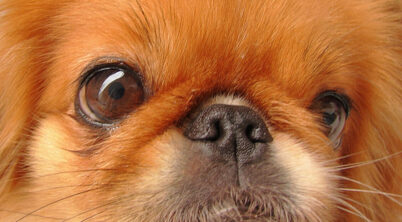
The Pekingese may be small in size, but its journey into parenthood brings big anticipation. Known for their compact build and royal demeanor, these dogs often surprise owners with how few puppies they have compared to larger breeds. Most Pekingese litters include about three to four puppies, though anywhere from one to six is possible depending on the individual dog.
Understanding what affects litter size helps set realistic expectations and ensures proper care for both mother and pups. Factors like genetics, age, and overall health all play a role in how many puppies a Pekingese can safely carry. By learning about their pregnancy process and the challenges of birth, anyone caring for this breed can better support a healthy outcome for every puppy.
Table of Contents
Typical Litter Size for Pekingese
Pekingese dogs usually give birth to small litters due to their compact size and breeding characteristics. Most litters fall within a narrow range, influenced by genetics, maternal health, and age, which all play a role in determining how many puppies are born.
Average Number of Puppies
A healthy female Pekingese typically gives birth to about three puppies per litter. This average reflects data from breeders and veterinary observations across toy breeds.
Smaller litters are common because the breed’s small body size limits the number of puppies that can develop safely. Many first-time mothers may have only one or two puppies, while experienced dams sometimes produce slightly larger litters.
Veterinarians often monitor pregnancies closely to ensure safe delivery. Due to the breed’s short muzzle and compact frame, cesarean sections are sometimes required, especially when litters are near the higher end of the average range.
| Factor | Influence on Litter Size |
|---|---|
| Dam’s Age | Younger or older females may have fewer puppies |
| Health & Nutrition | Directly affects fertility and fetal survival |
| Breeding Timing | Proper heat-cycle timing improves conception rates |
Range of Litter Sizes
The litter size for Pekingese usually ranges from one to seven puppies, though most fall between two and four. Litters smaller than two or larger than six are less frequent and may involve additional veterinary care.
When a Pekingese gives birth to a single puppy, the pup often grows larger in the womb, which can make natural delivery more difficult. Conversely, large litters can strain the mother’s health and increase the risk of stillbirths.
Breeders track each pregnancy carefully, often using ultrasound or X-ray to estimate litter size before birth. This helps them prepare for whelping and identify potential complications early.
Comparison With Other Toy Breeds
Compared to other toy breeds, the Pekingese has a smaller average litter size. Breeds like the Chihuahua or Yorkshire Terrier often produce four to five puppies, while slightly larger toy breeds may have even more.
The Pekingese’s narrow pelvis and compact build naturally restrict the number of puppies that can be carried safely. This smaller litter size contributes to the breed’s higher per-puppy care demands and sometimes higher purchase cost.
Although small litters are typical, they allow breeders to focus intensive care on each puppy, ensuring proper growth and socialization during the early weeks of life.
Factors That Influence Litter Size
Several biological and management factors determine how many puppies a Pekingese may have. The mother’s physical condition, her genetic background, and how breeding is planned can each raise or limit the number of puppies produced.
Age and Health of the Mother
A Pekingese’s age and physical condition directly influence her reproductive performance. Females between two and five years old usually produce the most consistent litter sizes. Very young bitches may have fewer puppies because their reproductive system is still developing, while older ones can experience reduced fertility.
Energy balance and body condition also matter. Underweight or overweight females may have smaller litters or higher risk of birth complications. Illnesses such as uterine infections or hormonal imbalances can interfere with embryo implantation.
Regular veterinary checkups help identify hidden reproductive issues like ovarian cysts or uterine inflammation. A healthy diet rich in quality protein, fat, and key micronutrients supports ovulation and the ability to carry multiple pups to term.
Genetics and Lineage
Inherited factors play a strong role in determining litter size. Within the Pekingese breed, smaller body size limits the number of fetuses the uterus can safely hold. Individual variation occurs, but breeds in the toy category, including Pekingese, tend to average three to four puppies per litter.
Breeding lines affect this outcome. Some lineages produce slightly larger litters due to genetic tendencies toward better fertility. Genetic diversity, measured through tools like the Coefficient of Inbreeding (COI), can influence reproductive health.
Tighter inbreeding increases the chance of genetic disorders and may cause smaller litters. Controlled outcrossing—pairing unrelated dogs within the same breed—can help maintain vigor and improve reproductive consistency. Responsible breeders track pedigrees to balance desired traits with genetic diversity.
Breeding Practices
How breeding is managed has direct reproductive effects. Timing is critical; mating must align with the female’s ovulation cycle. Veterinary progesterone testing can identify the optimal breeding window.
Good husbandry practices—adequate rest between litters, maintaining a calm environment, and avoiding excessive breedings per year—support fertility and maternal health. Stress before or during pregnancy can lower conception rates and lead to smaller litters.
Artificial insemination, if used, must be performed correctly to ensure fertilization success. Nutrition before and after mating, parasite control, and prenatal care all contribute to a healthy uterus capable of supporting multiple fetuses.
Pekingese Pregnancy and Birth
A Pekingese pregnancy lasts about nine weeks and demands careful attention to the mother’s health and environment. Monitoring physical changes, preparing for delivery, and knowing when veterinary assistance is needed help ensure the safety of both the dam and her puppies.
Gestation Period
The gestation period for a Pekingese averages 63 days from conception, although it can range from 58 to 68 days. Because this toy breed has a compact body and a relatively narrow pelvis, even slight variations in timing or litter size can affect labor.
During this period, veterinarians recommend confirming pregnancy through palpation or ultrasound between days 25 and 35. Around week six, the abdomen enlarges, and fetal movement may become visible. By the final week, x-rays can estimate the number of puppies, often between 2 and 4 for most Pekingese, though larger litters occasionally occur.
Proper care during gestation includes a balanced diet, limited strenuous activity, and a calm environment. Overfeeding should be avoided to reduce the risk of birthing complications, as excess weight can make whelping harder.
Signs of Pregnancy
Pregnant Pekingese show several clear behavioral and physical signs. In the first few weeks, appetite may fluctuate, and mild lethargy can appear. As the pregnancy progresses, the abdomen rounds, nipples enlarge, and a small amount of clear discharge may appear.
Mid-pregnancy marks a shift in energy and temperament. Some females become more affectionate or protective, preferring quieter areas. Weight gain becomes noticeable by the fifth week. The mammary glands often swell in late pregnancy, and milk may appear shortly before delivery.
A quick reference table of common signs:
| Stage | Key Indicators |
|---|---|
| Early (Weeks 1–3) | Reduced activity, mild appetite change |
| Mid (Weeks 4–6) | Abdominal swelling, behavioral shifts |
| Late (Weeks 7–9) | Nesting behavior, milk production, restlessness |
Careful observation helps owners anticipate delivery and detect concerns like premature labor or false pregnancy.
Delivery Methods
Pekingese frequently need assisted delivery because of their small frames and large-headed pups. Natural whelping is possible but often monitored closely by a veterinarian. Signs of labor include restlessness, nesting, and a drop in body temperature about 24 hours before contractions begin.
If labor stalls or the dam shows distress, a cesarean section (C-section) may be required. This procedure is relatively common for the breed and reduces risks to both mother and puppies. Most veterinarians prefer scheduled C-sections for known high-risk cases.
Owners should prepare a warm, clean whelping box and have emergency veterinary contact information ready. Immediate postpartum care involves monitoring for steady breathing, ensuring puppies nurse quickly, and checking that the mother expels the placenta fully.
Health Considerations for Mother and Puppies
Pekingese mothers often face unique health concerns during and after pregnancy due to their compact build and flat facial structure. Careful monitoring before, during, and after whelping reduces risks associated with birth complications, large litters, and postnatal stress.
Risks of Large Litters
Although Pekingese typically have small litters, large ones can occur occasionally and increase the chance of complications. The breed’s small pelvis and short muzzle make birthing multiple puppies difficult, especially when the puppies are larger than average. Overcrowding in the uterus can lead to low birth weights, stillbirths, or the need for veterinary intervention during labor.
Larger litters also place added strain on the mother. She may struggle to provide enough milk or warmth to all puppies, leading to weaker development in the smaller ones. Close supervision by a veterinarian helps ensure timely support, including supplemental feeding and temperature regulation.
When planning a breeding, responsible breeders evaluate the female’s physical condition and breeding history. Prioritizing the mother’s health over litter size helps lower the likelihood of exhaustion or postpartum complications.
C-Section Frequency
Because of their brachycephalic anatomy and narrow hips, Pekingese mothers frequently require cesarean sections (C-sections). Natural whelping can become difficult if puppies have large heads or if labor stalls. Many veterinarians recommend scheduled surgical delivery, especially for first-time dams or females with previously complicated births.
Data from small-breed dog studies suggest that elective C-sections can prevent fetal loss and maternal distress. The surgery, while routine for many breeders, still carries anesthetic risks, particularly for small dogs with respiratory sensitivity. Pre-surgical evaluations—such as bloodwork and heart checks—are important for identifying hidden issues.
After the procedure, owners should expect careful monitoring for signs of infection or discomfort. Pain management, hydration, and calm recovery environments help minimize stress and encourage healthy nursing behavior.
Postnatal Care
After delivery, strong attention to temperature regulation, nutrition, and infection control is essential. Pekingese puppies are small and fragile, requiring a consistently warm and clean environment during their first weeks. Monitoring weight gain daily offers an accurate measure of overall health.
Mothers often need high-calorie diets to maintain strength while producing milk. Providing easily digestible protein helps sustain lactation and prevent nutrient depletion. Regular veterinary checkups confirm that both dam and puppies are progressing normally.
If the mother appears exhausted, disinterested, or unable to nurse, human-assisted feeding may be necessary. Keeping the living area quiet and sanitary supports recovery and reduces stress for both the mother and her puppies.
Responsible Breeding and Puppy Care
Responsible breeding of Pekingese focuses on maintaining the breed’s health, temperament, and physical characteristics while ensuring animal welfare. Sound breeding choices and proper puppy care help reduce hereditary issues and support long-term well-being for both the mother and her litter.
Choosing a Reputable Breeder
A reputable Pekingese breeder prioritizes health, temperament, and adherence to breed standards rather than profit. The breeder should provide full documentation, including pedigree records, health clearances, and results of genetic screenings for conditions common in small breeds, such as breathing or eye problems.
Buyers should ask to meet the parent dogs and view living conditions. Clean, well-monitored environments—free from overcrowding—are indicators of proper care. Reputable breeders also maintain regular veterinary checkups and avoid breeding dogs too young or too frequently.
Many breeders follow standards set by recognized kennel clubs like the American Kennel Club (AKC) and the Kennel Club (UK). These organizations promote responsible breeding practices and track lineage integrity. Good breeders remain available to new owners for follow-up advice, helping ensure the puppies adapt smoothly to their new homes.
Ethical Breeding Guidelines
Ethical breeding ensures both the dam and her puppies remain healthy through careful planning and management. Breeders should schedule pairings only when the female is mature enough—typically at least two years old—and in good physical condition.
Health testing before mating identifies inherited conditions and helps prevent passing them to offspring. After mating, the breeder should ensure adequate nutrition, prenatal veterinary care, and a safe whelping environment. Hygiene and temperature control during the birthing process are critical, especially since Pekingese often need veterinary assistance due to their compact build.
After birth, puppies require constant supervision. Early developmental care includes maintaining warmth, supporting feeding schedules, and monitoring for health issues. Responsible breeders track each puppy’s progress, begin early socialization, and follow vaccination protocols recommended by veterinarians to promote strong and well-adjusted Pekingese dogs.