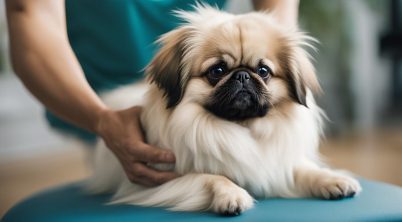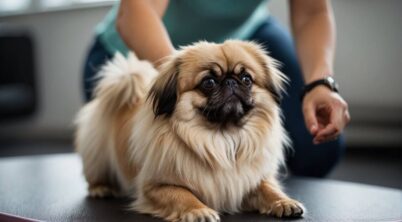
To safely cut a Pekingese’s nails, use dog nail clippers to trim small pieces at a time, making sure to avoid the quick, which is the sensitive part inside the nail. Nail care is important for a Pekingese, as long nails can cause pain or trouble walking. Many owners feel worried about hurting their dog, but with careful steps, the task becomes much easier.
Keeping a Pekingese’s nails short also helps prevent damage to floors and furniture. Readers who want to learn the best way to trim their dog’s nails and keep their pets calm will find helpful tips in the following article.
Table of Contents
Understanding Pekingese Nail Care
Pekingese dogs need special attention when it comes to nail care. Keeping their nails trimmed not only prevents pain but also supports their posture and mobility.
Importance of Regular Nail Trimming
Regular nail trims are essential for Pekingese because their paws do not wear down nails naturally, especially for indoor dogs. Without frequent trims, nails can become long and curl into the paw pad, causing pain and possible infection.
It is recommended to trim the nails every 3-4 weeks. Tools such as dog nail clippers or grinders work best. Some Pekingese may need more frequent trims if their nails grow quickly.
Having styptic powder on hand stops bleeding if the quick is accidentally nicked. Treats or rewards help make nail care a positive experience. Early training gets dogs comfortable with the process.
Making nail trimming part of a regular grooming routine lowers the risk of injury and discomfort.
Recognizing Overgrown Nails
Overgrown nails are easy to spot once you know what to look for. The nail should not touch the ground when the dog stands. When nails become too long, they may click on hard floors, curl to the side, or press into the paw pads.
Common signs include:
- Nails that appear long, curved, or cracked
- Pekingese who limp or walk stiffly
- Changes in paw shape due to curled nails
Overgrown nails can quickly lead to bigger health problems. Some dogs may start avoiding walks due to discomfort. It is important to always check both front and back paws, as well as dewclaws.
If the nails haven’t been trimmed for a while, the quick may have grown out. In such cases, trim only small amounts weekly until the quick recedes.
How Nail Health Affects Mobility
Nail health directly affects how a Pekingese moves. When nails are too long, they can change the angle of the foot, making it hard for the dog to walk or run normally.
Long nails push paw joints into unnatural positions. This causes pain in the toes or legs. Over time, incorrect posture from overgrown nails may lead to joint stress and arthritis.
Pekingese already have short legs and a unique body shape. Extra stress on their joints from poor nail health makes movement even more difficult. Trimming the nails helps prevent limping, pain, and serious mobility issues.
A consistent grooming routine not only keeps nails short but also supports long-term joint health and comfort for a Pekingese.
Preparing for Nail Trimming
Pekingese have small, sensitive paws that need special care during nail trimming. Using the right tools, knowing where to trim, and setting up a calm space help keep the grooming routine safe and stress-free for the dog.
Gathering Essential Grooming Tools
Before starting, it is important to have the right grooming tools on hand. The main item needed is a pair of dog nail clippers that match the size of a Pekingese’s nails. There are different types, such as scissor-style or guillotine-style clippers. Some owners prefer dog nail trimmers or grinders for finer control and less risk of splitting the nail.
Styptic powder is another essential. This powder helps stop bleeding in case the quick is accidentally cut. It is best to keep it within easy reach, just in case.
Having treats nearby can help reward the dog and create positive associations with nail trimming. Make sure all tools are clean to avoid infections or discomfort.
Identifying the Quick
The quick is the pink area inside the nail that contains nerves and blood vessels. When cutting a Pekingese’s nails, it is important not to cut into the quick, as this can cause pain and bleeding. In dogs with clear or light nails, the quick is usually easy to see as a pink strip.
For Pekingese with dark or black nails, the quick may be hard to find. Shining a small flashlight or focused light under the nail can help make the quick more visible. If unsure, it is best to trim a small amount at a time from the tip, checking frequently to avoid reaching the quick.
Keeping nails trimmed regularly can help the quick recede over time, allowing for shorter nails and safer trims during each grooming routine.
Creating a Calm Grooming Environment
A calm setting helps reduce stress for both the dog and the person trimming the nails. Choose a quiet room with minimal distractions. It may help to put a non-slip mat on the table or floor to keep the Pekingese stable and comfortable.
Handle the dog’s paws gently and speak in a soothing voice. Some Pekingese may feel less anxious if another person offers treats or gentle reassurance during the process. If the dog is nervous, allow plenty of time for them to get used to the tools and the environment.
Being patient and calm supports better cooperation and makes nail trimming a more positive experience for both the pet and the owner.
How to Cut Pekingese Nails Safely
Cutting a Pekingese’s nails is an important part of their regular grooming process. Using the right tools and handling their unique coat helps keep their nails healthy and prevents discomfort.
Step-By-Step Trimming Process
Start by gathering supplies: dog nail clippers with a safety guard, styptic powder, and a treat for reward. Find a quiet area where the dog can feel calm.
Hold each paw gently and press the pad to extend the nail. Trim small pieces of the nail at a time, being careful to stay away from the quick, which is the pinkish part inside the nail. This helps avoid pain and bleeding.
Clip each nail, including the dewclaws if present. Check the length by making sure the trimmed nails no longer touch the floor when the dog stands. Wipe away any dust or loose nail bits.
Supplies checklist:
- Dog nail clippers (with safety guard)
- Styptic powder
- Treats
- Towel (for stability or comfort)
Handling the Double Coat During Nail Care
The long double coat of a Pekingese can hide the nails, making the grooming process harder. Part the hair carefully around each paw with your fingers before attempting to trim. Use a slicker brush or comb to remove tangles around the feet and keep the view clear.
Trim long fur around the feet if needed, but avoid cutting too much as the coat protects the skin. Having a helper hold back the fur can make it easier to see the nails.
Keep paws clean and dry, as dirty fur can make it harder to see the nail’s quick. Regular brushing as part of overall Pekingese grooming keeps the feet neat and ready for nail care.
Dealing With Accidental Bleeding
If you accidentally cut into the quick, the nail may bleed. Stay calm and apply styptic powder to the tip of the nail to stop bleeding. Press gently until the bleeding stops.
Steps if bleeding occurs:
- Stay calm and reassure the dog
- Apply styptic powder directly to the nail tip
- Hold for several seconds
- Use a clean cloth if needed to wipe away extra blood
Limit activity for a short while after bleeding to allow the nail to seal. Avoid water or dirt, as this can irritate the area. If bleeding is heavy or does not stop, call a veterinarian for advice.
Tips for Dogs Unaccustomed to Trimming
Some Pekingese may be nervous about nail trimming, especially if not used to the grooming process. Keep sessions short and calm. Gently handle the paws often, even outside grooming times, to get the dog comfortable.
Start by trimming one or two nails per session. Offer praise and a treat after each one. Use soothing words and do not rush.
If the dog is very anxious, consider a professional groomer or ask a helper for support. Over time, patience and gentle handling can make nail care easier for both the dog and the owner.
Grooming and Maintenance Best Practices
Pekingese need regular grooming, careful coat care, and a set hygiene routine to stay clean and healthy. Their unique coats require thorough work, while their ears and teeth deserve specific attention to prevent problems.
Coat Care and Mat Prevention
The Pekingese coat is long, thick, and often double-layered. It can tangle and mat fast if not cared for properly. Brushing a Pekingese at least three times a week is ideal, but daily brushing works best for preventing matting and heavy shedding.
Owners should use a pin brush for the top layer and a slicker brush for deeper tangles. For tangled or matted areas, a de-matting tool is helpful, especially around the armpits, behind the ears, and near the tail. If mats form, work slowly and gently to avoid hurting the dog.
Pay extra attention to areas where friction is common. Always check for mats after outdoor play. Regular grooming also helps owners spot skin issues early.
Essential Bathing Tips
Bathe a Pekingese about once every 3-4 weeks, or when their coat gets dirty. Use a dog-friendly shampoo and conditioner. Never use human shampoos, as these can irritate a dog’s skin.
Before bathing, brush out all tangles and mats. Wet mats tighten and may become even harder to remove. Rinse the dog well to get rid of all shampoo, since any leftover can cause itchiness or irritation.
Dry the coat with a towel first, then use a blow dryer on a cool setting while brushing gently. Be careful around the face to keep water out of their eyes, nose, and ears.
Ear and Dental Hygiene Routine
Check and clean the Pekingese’s ears once a week. Their floppy ears can trap moisture and dirt, raising the risk of infections. Use a vet-approved ear cleaner or ear-cleaning solution. Never insert anything deep into the ear canal.
Gently wipe the inside of the ear flap with a soft cotton pad. Watch for redness, swelling, or a bad smell, which might mean there is an infection.
Brush the dog’s teeth 2-3 times a week or more with dog toothpaste. Dental chews and regular checkups with a veterinarian help prevent dental disease. Clean ears and teeth are as important to a Pekingese’s health as proper grooming of the coat.
When to Seek Professional Grooming Help
Nail trimming can be difficult for some owners, especially with squirmy or anxious Pekingese. Certain signs may show when it is time for professional help, and there are also clear benefits to expert care. Regular appointments help maintain hygiene, prevent infections, and keep the dog comfortable.
Signs Your Pekingese Needs Expert Care
Pekingese nails that are thick, curled, or very dark can be hard to trim safely at home. If the nails are bleeding, cracked, or if the dog is limping or licking its feet often, these may be signs of pain or infection. Dogs reacting strongly to touch in the paw or nail area should see a groomer or vet.
Extra hair between the toes, matting around the nails, or foul smells are also warning signs. These may point to bacterial or even ear infections caused by poor grooming nearby. Repeated struggles, fear, or stress with home trims mean it is safer to have a professional groom the Pekingese.
Benefits of Professional Trimming
Professional groomers know how to handle fidgety or nervous dogs and have the right tools for safe nail cutting. They recognize the quick (blood vessel) in each nail, reducing the risk of accidental cuts. This helps prevent bleeding, pain, or fearful associations.
Groomers can offer advice on haircuts such as the puppy cut or lion cut that help with temperature regulation and prevent mats. They also check the dog’s paws and coat for signs of infections, wounds, and other grooming needs. Many salons include ear cleaning, hair trimming between toes, and even check for early signs of ear or skin infections.
Maintaining Healthy Nails Between Appointments
Owners should check their Pekingese’s nails each week, looking for cracks, chips, or ingrown nails. Brushing paw hair, wiping feet after walks, and keeping an eye on cleanliness helps reduce infection risks.
A grooming routine at home, such as brushing and gentle paw cleaning, supports the work of professional grooming. Keeping paws dry and free of debris goes a long way in preventing bacterial problems. Short, regular checks make grooming appointments smoother and lower the chance of complications.