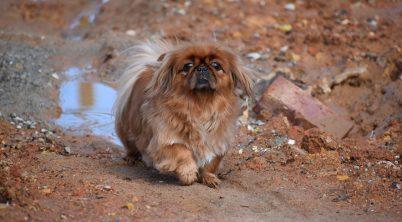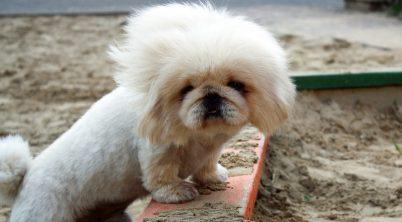
The Pekingese has charmed families for centuries with its regal presence and loyal nature. Beneath the long coat and confident expression lies a breed known for surprising longevity. While most Pekingese live about 12 to 15 years, a few have reached an extraordinary 23 years, proving that with the right care, some can far exceed expectations.
Exploring the stories behind these remarkable lives reveals more than numbers on a chart. It uncovers how health, genetics, and daily care influence a Pekingese’s journey from playful puppy to wise senior companion.
Understanding what helps a Pekingese thrive offers valuable insight for anyone who wants to see this ancient breed enjoy a long, comfortable life. From record-breaking examples to practical care strategies, each detail shows how attentive daily habits can make every year count.
Table of Contents
Longest Living Pekingese on Record
The Pekingese, a small breed with deep roots in China’s imperial history, has an average lifespan of 12–15 years but can live longer with attentive care. Some individuals have greatly exceeded this range, reaching lifespans that stand out even among other long-lived toy breeds.
Verified Oldest Pekingese Ages
Documented accounts indicate that most Pekingese live into their early or mid-teens, with several credible reports of individuals surpassing 20 years. Reliable breed sources record cases reaching 22–23 years, which are rare exceptions rather than the rule.
The following table highlights typical and outlier ranges:
| Lifespan Category | Age Range | Notes |
|---|---|---|
| Average | 12–15 yrs | Common lifespan with good care |
| Extended | 16–19 yrs | Seen in well-cared-for individuals |
| Verified Outliers | 20–23 yrs | Documented rare cases |
These exceptional ages often result from a combination of strong genetics, controlled weight, and consistent veterinary attention. Dogs living beyond 20 years nearly always receive early health monitoring and careful nutritional management. Their longevity remains an uncommon but documented phenomenon in the breed’s record.
Famous Longevity Stories
While full verification of individual lifespans is difficult, several Pekingese have gained recognition for reaching remarkable ages. Some owners report pets living past 21 or 22 years, supported by veterinary records or local news mentions. One historical account describes a Pekingese living to 23 years, the most widely cited figure among breed enthusiasts.
A few anecdotal reports mention dogs living to 24 or more, though evidence for these remains weak. Many of the longest-living examples share similar backgrounds: a stable indoor environment, low physical stress, and regular preventive healthcare. Owners often note these dogs retained good mobility and appetite well into advanced age, suggesting that steady, moderate lifestyles favor endurance.
Comparing Pekingese Lifespans to Other Breeds
Compared with other small breeds, the Pekingese ranks slightly above average in longevity. Toy breeds such as the Chihuahua and Yorkshire Terrier frequently reach 16–18 years, while Shih Tzu and Lhasa Apso averages fall near 14–16 years. The Pekingese tends to maintain similar or slightly shorter lifespans, but exceptional individuals match or exceed these figures.
Larger breeds rarely surpass 12 years, so even a typical Pekingese lifespan represents substantial longevity relative to body size. However, the breed’s brachycephalic structure can predispose it to respiratory and heat issues, factors that may limit extreme age in some dogs. Through balanced nutrition and consistent veterinary oversight, the Pekingese can still achieve a healthy lifespan well into the late teens or early twenties.
Average Pekingese Lifespan and What Influences It
The typical Pekingese lives between 12 and 15 years, though some may reach 15 or more with attentive care. Lifespan depends on genetics, diet, and physical activity, all of which directly affect the dog’s heart health, weight, and ability to age comfortably.
Genetic Factors in Longevity
The Pekingese is a toy breed with a compact build and a flat face, both of which influence long-term health. Genetics play a major role in determining their potential lifespan, shaping the likelihood of conditions such as brachycephalic airway syndrome, heart disease, and patellar luxation.
Some family lines are more resilient due to selective breeding practices aimed at reducing inherited disorders. Owners who obtain their pets from breeders that conduct health screenings help minimize the risk of genetic illness.
| Common Hereditary Issues | Typical Impact on Lifespan |
|---|---|
| Heart Problems | May reduce life expectancy if unmanaged |
| Patellar Luxation | Affects mobility with age |
| Brachycephalic Airway Issues | Can cause breathing stress and heat intolerance |
Routine veterinary checkups and awareness of these predispositions allow owners to manage problems early, supporting a longer, stable life.
Impact of Diet and Nutrition
Balanced nutrition strongly influences a Pekingese’s longevity. A diet rich in lean protein supports muscle maintenance, while controlled fat intake prevents obesity, which can strain the heart and joints. Portion control is especially important because this breed’s small frame makes it easy to overfeed.
Essential nutrients such as omega-3 fatty acids, vitamin E, and calcium help maintain skin, coat, and bone health. Some individuals benefit from diets formulated for brachycephalic breeds to promote better digestion and breathing comfort.
Maintaining hydration and avoiding high-fat treats further protect a Pekingese’s metabolism. Consistent feeding schedules paired with regular weight monitoring can prevent chronic illnesses that shorten lifespan.
Role of Exercise and Activity
Moderate exercise improves a Pekingese’s cardiovascular health and helps regulate body weight. Due to their short muzzle, they should avoid high-intensity activities that cause overheating or breathing strain. Short, daily walks and light indoor play work best.
Physical activity also supports joint health and prevents stiffness, particularly in older dogs prone to arthritis. Mental stimulation—such as puzzle toys or obedience sessions—keeps them alert and reduces stress levels.
Owners should watch for signs of fatigue, coughing, or labored breathing, adjusting intensity as needed. A balanced mix of low-impact movement and mental engagement contributes to steady energy and a healthy lifespan.
Common Health Issues Affecting Longevity
Pekingese dogs often face orthopedic, respiratory, spinal, and metabolic challenges that can influence lifespan and quality of life. Proper veterinary care, healthy weight maintenance, and awareness of breed‑related risks help minimize complications and support longer, healthier lives.
Patellar Luxation
Patellar luxation occurs when the kneecap slips out of its normal position, often affecting small breeds like the Pekingese. It can range from mild, where the kneecap returns to place on its own, to severe cases causing limping and pain. Dogs with chronic luxation may develop arthritis if left untreated.
Common signs include:
- Skipping gait or sudden hopping on one hind leg
- Stiffness after rest
- Decreased willingness to run or jump
Veterinarians grade patellar luxation on a scale from I to IV. Mild cases may be managed with weight control and controlled exercise. More advanced grades often require surgical correction to realign the patella and stabilize the knee joint. Regular monitoring helps detect early joint wear and reduce discomfort.
Maintaining muscle tone through low‑impact activity, such as short walks on even terrain, can reduce strain on the knees. Breeders can also help by screening dogs for hereditary knee issues before breeding.
Brachycephalic Airway Syndrome
Due to their short snouts, Pekingese often struggle with brachycephalic airway syndrome (BAS), which restricts airflow through the upper respiratory tract. The main defects include stenotic nares (narrow nostrils), an elongated soft palate, and collapsed trachea or everted laryngeal saccules. These issues make it harder for the dog to breathe efficiently.
Typical symptoms:
- Noisy breathing or snoring
- Heat intolerance
- Rapid fatigue or collapse after exertion
Obesity worsens breathing problems by adding pressure on the chest. Preventive care includes maintaining optimal body weight, limiting exercise in hot or humid weather, and avoiding stress that increases respiratory effort.
Severe cases may require surgery to widen the nostrils or shorten the palate, improving airflow and reducing the risk of heatstroke. Owners should monitor for labored breathing or bluish gums, as these indicate insufficient oxygen intake.
Intervertebral Disc Disease
Pekingese dogs have a compact yet elongated body, making them prone to intervertebral disc disease (IVDD). This condition occurs when spinal discs degenerate or rupture, compressing the spinal cord. The result may be pain, loss of coordination, or, in severe cases, paralysis.
Warning signs:
- Sudden reluctance to climb stairs
- Yelping when touched on the back
- Dragging hind legs or unsteady movement
Early diagnosis is crucial. Mild cases can be managed with medication, strict rest, and physical therapy. In advanced stages, surgery to relieve spinal pressure may be required.
Owners can lower the risk of IVDD by discouraging jumping from furniture and preventing obesity, which increases spinal stress. Supportive bedding and ramps can also protect the spine from unnecessary strain.
Obesity and Weight Management
Excess weight is a major factor reducing the lifespan of Pekingese dogs. Carrying extra pounds puts stress on the joints, worsens respiratory conditions like BAS, and increases the likelihood of diabetes and heart disease.
Healthy weight management practices:
| Strategy | Description |
|---|---|
| Portion control | Feed measured meals using a scale or measuring cup. |
| Balanced diet | Choose nutrient‑dense foods with moderate fat content. |
| Regular exercise | Provide short walks and gentle play suitable for their build. |
Owners should regularly check their dog’s body condition score (BCS). A visible waist and easily felt ribs signify a healthy range. Treats should make up less than 10% of daily calories.
Veterinary guidance helps tailor diet and activity plans for individual dogs. Consistent weight monitoring not only reduces the risk of orthopedic and respiratory complications but also improves energy levels and overall comfort.
Care Strategies to Help Pekingese Live Longer
Pekingese longevity depends on consistent health monitoring, proper grooming, and a safe living setup that minimizes stress and physical strain. Targeted care in these areas strengthens immunity, prevents disease progression, and supports daily comfort.
Preventive Healthcare and Regular Vet Checkups
Routine veterinary visits form the foundation of Pekingese health maintenance. These dogs often face respiratory and eye conditions due to their short muzzles and prominent eyes. Vets can identify issues such as brachycephalic airway syndrome or corneal irritation early, improving outcomes through timely treatment or management.
Vaccinations and parasite prevention reduce the risk of infections that can otherwise shorten lifespan. Dental cleaning and weight assessments help prevent secondary conditions like heart disease or joint strain.
Owners should schedule at least biannual exams for older or medically sensitive dogs.
At home, consistent health tracking matters. A simple table of care tasks can help owners stay organized:
| Task | Frequency | Purpose |
|---|---|---|
| Vet checkup | Every 6–12 months | Early disease detection |
| Dental cleaning | Weekly brushing; annual professional cleaning | Prevent oral infections |
| Weight check | Monthly | Control obesity risks |
Noting small changes in appetite, energy, or breathing allows for early medical attention, which strongly supports a longer and healthier life.
Effective Grooming and Hygiene Practices
Proper grooming improves both comfort and lifespan in the Pekingese. Their long double coat traps debris and moisture, increasing the chance of skin infections. Brushing three to four times a week keeps tangles down and encourages good air circulation near the skin.
Bathing every few weeks with a mild, dog-appropriate shampoo removes buildup without stripping natural oils. Eye and nose fold cleaning prevents bacterial growth, while ear checks avoid wax blockages and infections.
Regular nail trimming helps maintain posture and stability. Each grooming session doubles as a wellness check—owners can spot lumps, irritation, or parasites early. Clean living fabrics, such as bedding and blankets, also support hygiene and reduce allergens that might trigger skin problems.
Safe Environmental Adaptations
Comfortable surroundings play a vital role in Pekingese longevity. Their compact structure and flat face make them sensitive to temperature extremes. Keeping indoor temperatures stable and providing easy access to water reduces the risk of heat exhaustion or dehydration.
Owners should use ramps instead of stairs to minimize stress on joints and spines, particularly as the dog ages. Pekingese also benefit from non-slip flooring and padded resting areas that cushion their bodies during rest.
Exposure to smoke, strong scents, or dusty air can aggravate respiratory issues. Air purifiers and gentle cleaning products can help maintain good indoor air quality.
A secure environment—free from falls, sharp edges, and choking hazards—supports everyday safety and protects the dog’s long-term physical health.
Recognizing and Managing Age-Related Changes
Aging in Pekingese dogs often involves visible physical changes and subtle behavioral shifts that affect their comfort and daily functioning. By identifying these patterns early and adapting care accordingly, owners can maintain the dog’s health, mobility, and emotional well-being through its later years.
Common Symptoms of Aging
Older Pekingese commonly show reduced activity levels, slower movement, and longer rest periods. Their vision and hearing may weaken, leading to cautious behavior or delayed responses to familiar cues. Weight gain can occur as metabolism slows, though some dogs may lose weight due to dental problems or chronic illness.
Changes in coat quality—such as thinning fur or a duller appearance—often accompany aging. Joint stiffness or mild limping may signal arthritis, particularly in this breed’s short-legged structure. Owners might also note respiratory difficulty, more pronounced snoring, or labored breathing, which can indicate weakened airways common in brachycephalic breeds.
Other notable signs include increased thirst, frequent urination, and disorientation, which can relate to early kidney or cognitive decline. Tracking these developments with a simple observation table helps detect trends:
| Symptom | Possible Cause | Action |
|---|---|---|
| Decreased activity | Joint pain or fatigue | Gentle exercise, vet check |
| Cloudy eyes | Cataracts | Eye exam |
| Weight loss | Dental or metabolic issue | Dental care, diet adjustment |
Supporting Senior Pekingese Quality of Life
Care strategies focus on maintaining comfort and preventing deterioration. Regular veterinary checkups every six months help identify diseases before they progress. Balanced nutrition with appropriate protein, fiber, and supplements like omega-3 fatty acids supports skin, heart, and cognitive health.
Managing environmental conditions also makes a difference. Soft bedding reduces joint stress, while moderate indoor temperatures prevent breathing strain during hot or humid weather. Short, slow walks strengthen muscles without overexertion.
Mental stimulation matters as well. Gentle play, training refreshers, and varied toys keep older dogs alert. Frequent grooming maintains cleanliness and prevents matting in their dense coat. Providing predictable routines and calm environments minimizes anxiety.
With attentive adjustments in diet, routine, and health monitoring, an aging Pekingese can continue to live comfortably and remain engaged well into its senior years.
* Banner photo by Lilly M, cropped | Some rights reserved.