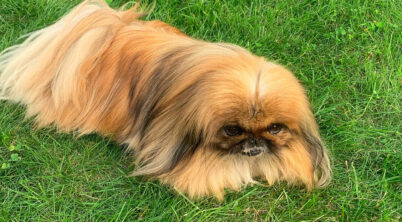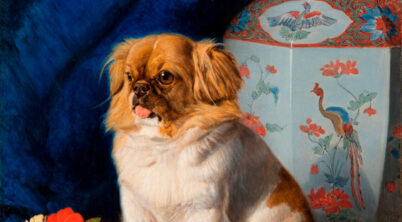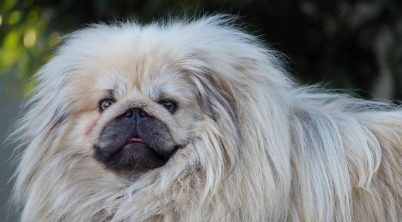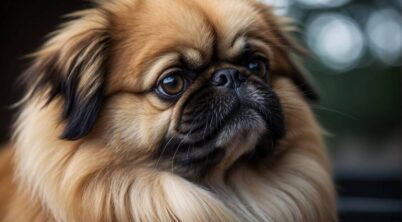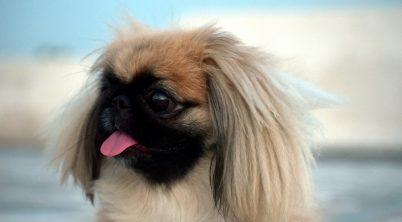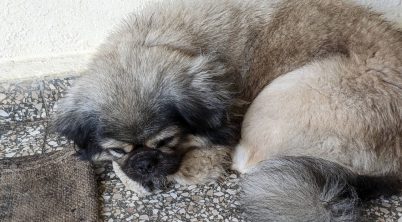
The Pekingese and Pomeranian mix, often called the Peek-a-Pom, Pominese, or Peke-a-Pom, is a small hybrid dog that combines traits from both parent breeds. This designer dog is loved for being playful, affectionate, and loyal, making it a popular choice for people who want a loving companion. They usually have a compact body, fluffy coat, and charming face with erect ears and bright eyes.
People are often drawn to mixed breeds like the Peek-a-Pom because these dogs can inherit the best qualities from both the Pekingese and Pomeranian. The blend of personalities and appearance makes this hybrid dog stand out from other toy breeds.
The Peek-a-Pom is not as common as some other designer dogs, but their unique look and endearing temperament are making them more popular among pet lovers. Anyone curious about what it’s like to live with a Pekingese and Pomeranian mix will find plenty to love about this cheerful, small companion.
Table of Contents
History and Origin
The Peek-a-Pom is a mix between the Pekingese and Pomeranian, two breeds with very different yet rich backgrounds. Their combination brings together a long line of royal heritage, endurance, and popularity in the world of designer dogs.
Background of the Pekingese
The Pekingese is an ancient breed that comes from China. It was favored by Chinese royalty and often lived in palaces. They were even known as “lion dogs” because people believed they resembled the lions from Chinese legends.
Emperors kept them as companions, and common people were not allowed to own or touch them without special permission. This made the breed rare outside of China until the late 1800s.
During the Opium War in the 1860s, British soldiers brought several Pekingese dogs to England. Soon, they spread across Europe and became popular pets for the elite. The Pekingese breed is known for its brave, loyal, and sometimes stubborn nature.
Background of the Pomeranian
The Pomeranian comes from the region called Pomerania, located between Poland and Germany. Originally, these dogs were much larger and were used to herd animals. Over time, breeders made them smaller to become companion pets.
They gained international fame in the 1800s, especially because Queen Victoria of England owned and adored them. The Queen’s love for the breed led to the rise in smaller-sized Pomeranians and their global popularity.
Pomeranians are known for their lively and alert personalities. They also have a fox-like face and a thick, fluffy coat, making them stand out among other small dog breeds. Their intelligence and charm have made them popular in dog shows and as family pets.
Development of the Peek-a-Pom
The Peek-a-Pom, also called the Pominese, is a hybrid created by breeding a Pomeranian with a Pekingese. This mix does not have a long history, as it is considered a modern designer dog.
Records of the Peek-a-Pom first appear in the early 21st century. Breeders wanted to combine the affectionate and noble traits of the Pekingese with the playful, bold traits of the Pomeranian.
The result is a small companion dog with varied appearances. Some have the round faces and coats of the Pekingese, while others resemble the Pomeranian more closely.\
Peek-a-Poms inherit qualities like loyalty, alertness, and a friendly nature from both parent breeds.
Popularity Among Designer Dogs
Designer dogs have become more common in recent years. People look for unique combinations that offer specific temperaments, sizes, or appearances. The Peek-a-Pom is still considered rare compared to other hybrids like the Cockapoo or Labradoodle.
Despite their rarity, Peek-a-Poms have a loyal fan base. Families appreciate their small size, affectionate nature, and manageable exercise needs. Breed clubs and online communities have started to recognize and celebrate this mix.
Many Peek-a-Pom owners praise their dogs for blending traits from both parents, making them appealing as pets for both singles and families. The Peek-a-Pom has found its place among the many designer and hybrid dogs gaining popularity today.
Physical Characteristics of the Pekingese and Pomeranian Mix
The Pekingese and Pomeranian mix, also known as the Peek-A-Pom, is a small dog with a distinctive look. This hybrid often displays features from both parent breeds, resulting in a wide range of appearances.
Size and Weight
Peek-A-Pom dogs are typically small, often fitting easily into the toy or teacup dog categories. Most adults weigh between 5 and 14 pounds and stand about 6 to 11 inches tall at the shoulder.
Their petite size makes them suitable for apartment living. Even within the same litter, puppies can vary, depending on which parent’s genes are more dominant. There are “teacup” sizes, but these should be approached with caution, as extremely tiny dogs often have more health issues.
A table summarizing typical size ranges:
| Type | Weight | Height |
|---|---|---|
| Peek-A-Pom | 5–14 lbs | 6–11 inches |
| Teacup | Under 5 lbs | Under 7 in. |
Coat Type and Colors
Peek-A-Poms usually have a double coat, inherited from both breeds. The coat is often thick, fluffy, and soft to the touch. Many have a mane-like ruff around the neck area, similar to what is seen in purebred Pomeranians.
The coat colors can vary widely and may include cream, tan, black, sable, brown, orange, white, and mixes of these. Some Peek-A-Poms display a solid color, while others have patches or a blend.
Regular brushing is needed to keep their coat from matting or tangling. Their shed rate is moderate but can increase during seasonal changes.
Facial Features and Flat Face
Facially, the Pekingese and Pomeranian mix may have either a longer snout like a Pomeranian or a much flatter face like a Pekingese. Most Peek-A-Poms have a rounded head, large dark eyes, and small erect ears.
The flat face, also known as “brachycephalic,” can cause breathing issues or snoring, especially in mixes that look more like the Pekingese. Their muzzles are usually short, and their noses can be black or brown.
Their expressions often look alert or curious, thanks to the bold eyes inherited from both breeds. Some have a slight underbite, which is more common with the Pekingese side.
Variations and Generations
There are several generations and types of mixes, such as F1 (first generation), F1b (backcrossed with one parent), F2 (second generation), and F3 (third generation or more).
- F1 Peek-A-Poms come from two purebred parents, one Pomeranian and one Pekingese.
- F1b dogs have one Peek-A-Pom parent and one purebred parent (usually Pomeranian or Pekingese).
- F2 and F3 are bred from two Peek-A-Poms or further crosses.
Each generation may have different coat textures, sizes, or facial features, depending on the mix. This can lead to a wide range of looks, even among littermates. Some may look nearly identical to one parent, while others show a perfect blend.
Temperament and Behavior
The Pekingese and Pomeranian mix, sometimes called the Peek-A-Pom, is a lively, alert, and loyal companion. This small dog is known for its outgoing attitude, affection for family, and distinct personality traits that make it unique as a family pet.
Personality Traits
Peek-A-Poms often have a bold and confident temperament, which they inherit from both parent breeds. Many owners describe them as playful, affectionate, and eager to be in the spotlight.
They form close bonds with their families and enjoy spending time with people. They show loyalty and may become attached to a special person in the home.
Their lively personality means they like to play and explore their surroundings. Some may act independent, but most thrive on attention and interaction.
Socialization and Behavior with Other Pets
Early socialization is important for a Pekingese and Pomeranian mix. Introducing them to different people, pets, and places early on helps reduce suspicious or shy behavior as adults.
With proper training, they can get along well with other dogs and pets. However, some may show a stubborn streak or try to be the boss, especially around larger pets.
They usually do best in homes where they are not left alone for long periods. They may feel uneasy or bark frequently if they are bored or lonely.
Barking and Territorial Nature
Peek-A-Poms are alert and tend to bark when they hear unfamiliar sounds or see strangers near the home. This trait makes them good little watchdogs, but it can become a problem if not managed.
They might show a territorial nature and become protective of their family. Some may bark at passing people or animals, or when visitors arrive.
Consistent training and socialization help limit excessive barking. Teaching them commands like “quiet” or redirecting their attention is recommended to avoid unwanted behavior.
Intelligence and Trainability
This mix is known for being intelligent and quick to learn, although they sometimes have a stubborn side. They respond best to small, regular training sessions rather than long, demanding ones.
Using positive reinforcement like treats and praise usually works well. Patience is key, as they need time to learn new commands or routines but are capable of mastering many tricks.
House training should be started young. A gentle but consistent approach helps them develop good habits and become a well-behaved, loyal companion.
Health and Lifespan
The Pekingese and Pomeranian mix, also known as the Peek-A-Pom, can face some common health challenges seen in both parent breeds. Most health concerns are manageable with regular care, attention, and veterinary visits.
Common Health Concerns
This mix can have issues typical of small dogs. Peek-A-Poms are prone to dental problems like gum disease and tooth loss, so teeth cleaning is important. They may also develop respiratory problems due to their shorter snouts, which can cause snoring or breathing difficulties, especially in warm weather.
Other health problems include luxating patella (loose kneecap), eye conditions like cataracts, and hypoglycemia (low blood sugar), especially in puppies. Owners should watch for limping, runny eyes, or unusual tiredness. Catching these signs early helps.
Genetic Issues from Parent Breeds
The Pekingese side can pass along issues like brachycephalic syndrome, which affects breathing due to a flat face. The Pomeranian side may contribute to hip dysplasia, a joint problem that makes walking painful. Both breeds are prone to collapsed trachea, making gentle handling around the neck important.
Table: Key Genetic Issues
| Issue | Common In | Symptoms |
|---|---|---|
| Hip Dysplasia | Pomeranian | Limping, pain |
| Brachycephalic Breathing | Pekingese | Snorting, loud breathing |
| Collapsed Trachea | Both | Coughing, wheezing |
Not every Peek-A-Pom will inherit these problems, but being aware helps owners notice early warning signs.
Preventative Health Care
Routine vet check-ups help catch health problems early. Peek-A-Poms need regular grooming because their thick, fluffy coats can get tangled or matted. Brushing several times a week prevents skin irritation and keeps their fur healthy.
Dental care is vital; daily tooth brushing and dental treats help lower the risk of tooth decay. Feeding a balanced diet supports metabolic and joint health. Exercise keeps them fit, but high-impact play should be limited to protect their small joints. Avoid exposing them to extreme temperatures, as they can struggle with heat or cold.
Vaccinations and parasite control must be kept up-to-date. Owners should also check their eyes, ears, and paws for issues every week.
Lifespan and Longevity
Peek-A-Poms usually live between 12 to 16 years with good care. This is typical for small dogs, provided they receive proper nutrition, regular exercise, and preventive vet care.
Factors that can shorten their lifespan include serious health conditions like heart or respiratory problems. Early health screening and a consistent routine help many Peek-A-Poms live well into their teens. Adopting from a responsible breeder, who screens for health concerns, can also increase the chances of a longer, healthier life.
Care and Maintenance
The Pekingese and Pomeranian mix, often called the Peek-A-Pom, needs careful attention in daily care. Owners should focus on grooming, exercise, and feeding to keep this small dog healthy and happy.
Grooming Requirements
The Peek-A-Pom has a thick double coat that sheds year-round, so regular grooming is important. Brushing should be done at least three times per week, but daily brushing is best for keeping their coat free of mats and tangles.
Pay special attention to areas behind the ears, under the legs, and around the neck, as tangles form easily there. Regular grooming also helps reduce shedding and keeps their fur shiny.
A slicker brush and a metal comb work well for their dense fur. It’s important to check for mats and gently remove them.
Bathing and Brushing
Bathing should be done every 3 to 4 weeks, or more often if the dog gets dirty or has skin problems. Always use a dog-special shampoo, as human products can dry out their skin.
During bath time, use lukewarm water and make sure to rinse out all soap to prevent skin irritation. After bathing, dry the dog fully, as their undercoat can hold moisture and may cause skin issues if not dried well.
Brush the dog while drying to remove loose hair and prevent new tangles from forming. Regular brushing in between baths helps manage shedding and keeps the coat soft.
Exercise and Activity Needs
Peek-A-Poms are small dogs, but they have good energy and need daily exercise. They benefit from short walks—2 to 3 times each day—and indoor play sessions.
Use toys like small balls or squeaky toys to help burn energy and stop boredom. Peek-A-Poms may enjoy learning tricks or short games, which also helps keep their mind active.
Because of their size, avoid high-impact activities or rough play. To prevent weight gain and health problems, make sure they move around each day.
Sample Exercise Plan:
| Activity | Frequency |
|---|---|
| Walk | 2-3 times per day |
| Indoor Play | 15-20 minutes daily |
| Training | Several short sessions per week |
Nutrition and Feeding
The Peek-A-Pom needs a balanced diet suited for small breeds. Feed high-quality kibble made for small dogs, and divide their food into two meals per day.
Watch the amount of food given, as this mix can gain weight fast if overfed. Always provide fresh water and avoid giving too many treats.
Check the ingredients in dog food to be sure it includes real meat and whole grains. Avoid foods high in filler ingredients, as these are not healthy for most dogs.
If there are any sensitivities or allergies, consult a veterinarian before switching foods. Adjust the food amount based on age, weight, and activity level.
Comparison with Other Small Dog Breeds
The Pekingese and Pomeranian mix, or Peek-a-Pom, shares traits with other popular small companion dogs but stands out in appearance and personality. Each breed highlighted below has its own unique coat, temperament, and care needs.
Bichon Frise
The Bichon Frise is known for its soft, curly white coat and cheerful personality. Unlike the Pekingese-Pomeranian mix, the Bichon often has less shedding and is considered more hypoallergenic. Bichons usually get along well with children and other pets.
While Peek-a-Poms are usually alert and can be reserved around strangers, Bichons are outgoing and sociable. Both breeds are small, but the Bichon is slightly bigger, weighing about 10-18 pounds. Grooming for a Bichon requires regular brushing and professional trims to avoid matting.
Both are popular companion dogs but differ in coat texture and energy. The Peek-a-Pom has a fluffy double coat, while the Bichon has a denser, curlier one.
| Breed | Weight Range | Coat Type | Shedding | Temperament |
|---|---|---|---|---|
| Peek-a-Pom | 6-12 pounds | Fluffy | Moderate | Alert, Loyal |
| Bichon Frise | 10-18 pounds | Curly | Low | Playful, Friendly |
Brussels Griffon
The Brussels Griffon is another small companion dog, typically 8-12 pounds with a rough or smooth coat. Unlike the Peek-a-Pom, the Griffon’s face is more human-like, with a short nose and strong expression. They are very affectionate but can be sensitive to harsh routines.
Griffons tend to form strong bonds with one person, making them more likely to experience separation anxiety. The Peek-a-Pom, on the other hand, bonds well with families and usually tolerates some alone time.
Both breeds are alert and make good watchdogs, but the Griffon’s vocal tendencies are often stronger. Grooming needs are similar unless the Griffon has a wiry coat, which requires hand-stripping.
Chihuahua and Pomchi
Chihuahuas are one of the smallest dog breeds, weighing as little as 4 pounds. They are famous for being loyal, lively, and bold. The Pomchi is a mix between a Pomeranian and Chihuahua, so it shares some personality traits with the Peek-a-Pom.
While the Peek-a-Pom can range from 6-12 pounds, the Pomchi is usually lighter, with a fragile build and apple-shaped head. Both breeds are alert and make good apartment dogs. The Pomchi can have short or long hair, depending on which parent it takes after.
Chihuahuas and Pomchis tend to be more independent and sometimes stubborn. In contrast, the Peek-a-Pom is often friendlier and less prone to nipping. Grooming for all three depends on the coat length but is generally moderate in effort.
Shih Tzu and Shih Pom
The Shih Tzu is similar in size to the Peek-a-Pom but has a longer, flowing coat that requires daily maintenance. The Shih Pom, a Shih Tzu and Pomeranian mix, often has a soft, fluffy coat but with less shedding than a purebred Shih Tzu.
Shih Tzus and Shih Poms are known for their affectionate and gentle personalities. Compared to the Peek-a-Pom, they may be more laid back and less vocal. Both the Shih Pom and Peek-a-Pom are popular as lap dogs.
Both breeds can be prone to eye and respiratory issues due to their face shape. Regular cleaning and vet checkups are important for maintaining their health. All three breeds excel as companion dogs and fit well in smaller living spaces.