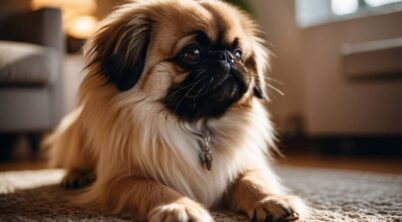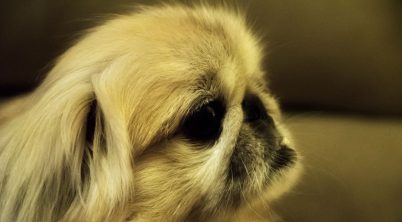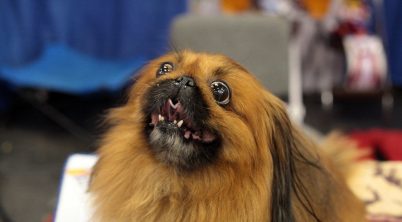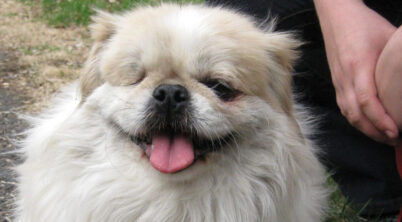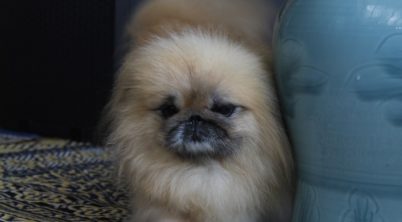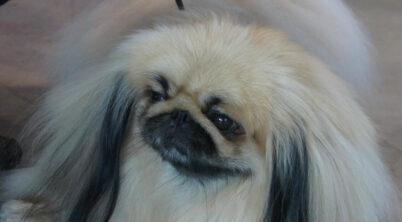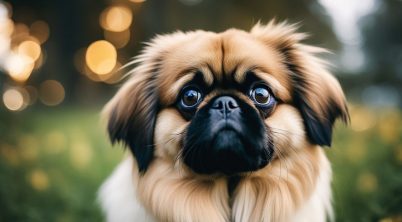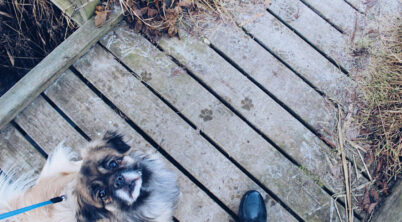
The Pekingese and Pug mix, also called the Puginese, is a small hybrid dog that blends the traits of both parent breeds. These dogs often have a unique look with round eyes, a flat face, and a curly tail. Their cheerful spirit and loving personality make them appealing companions for many families.
The Pug and Pekingese mix is best known for its affectionate nature, moderate energy level, and suitability for apartment living. They are usually friendly with those they know but might be cautious around strangers, making them loyal pets that bond closely with their families.
This mix stands out for its amusing appearance and manageable size. People who want a loving and portable dog often find the Puginese to be a good fit for their lifestyle.
Table of Contents
What Is a Pekingese and Pug Mix?
A Pekingese and Pug mix, often called a Puginese, is a small designer breed known for its compact build, squashed face, and friendly personality. This cross combines the unique features and temperaments of the Pekingese and Pug, two ancient breeds with a long history in China.
Origins and History
The Puginese is a hybrid breed that comes from mixing a purebred Pekingese with a purebred Pug. Both parent breeds originated in China and were once favored by royalty and nobility.
The Pekingese has a long history as a lapdog for Chinese emperors and their families. It was sometimes called the “Lion Dog” due to its flowing mane and regal look.
The Pug, also a Chinese breed, is recognized for its wrinkled face, short muzzle, and lively nature. Pugs were also prized pets in ancient China and eventually became popular in Europe.
Mixing these two breeds started primarily in the late 20th century as part of a trend to create designer dogs with the best qualities of both parents. The goal was to combine the affectionate, loyal temperament of the Pekingese with the playful and friendly nature of the Pug.
Other Names and Breed Registries
This mixed breed goes by several names, reflecting its parentage and variation. Common terms include:
- Puginese
- Pugapeke
- Pekeapug
- Peke-a-Pug
- Pug-A-Peke
Although the American Kennel Club (AKC) does not recognize the Puginese as a purebred, several designer breed registries list this hybrid. The following registries have accepted the Puginese:
| Registry Name | Abbreviation |
|---|---|
| American Canine Hybrid Club | ACHC |
| Designer Dogs Kennel Club | DDKC |
| International Designer Canine Registry | IDCR |
| Designer Breed Registry | DBR |
Registration helps with pedigree documentation and gives owners a way to track their puppy’s ancestry.
Recognition as a Designer Breed
The Puginese is known as a designer breed, which means it was intentionally bred to combine two established breeds for specific traits. Unlike some mixed-breed dogs that happen by accident, designer breeds are purposefully planned crosses.
Designer dog registries, such as the ACHC and DDKC, recognize the Puginese and list its lineage. Recognition from these groups helps families and breeders understand the likely appearance, size, and temperament of Puginese dogs.
Most major kennel clubs like the AKC, however, only recognize purebred dog breeds. The Puginese is not a separate breed with a breed standard, but its status as a recognized hybrid is growing through designer breed organizations. Owners value its unique mix of looks and temperament.
Physical Characteristics of the Pekingese and Pug Mix
The Pekingese and Pug mix, also called the Puginese, is a small-breed dog with unique features from both parents. This breed stands out for its compact build, special coat patterns, and traits like snoring and shedding that owners should know about.
Size and Weight
Most Puginese are considered a small size breed. They usually weigh between 10 to 20 pounds.
Their height is often 8 to 12 inches at the shoulder. The body shape is well-muscled with a sturdy look, but the dog remains easy to carry and manage.
They have small feet and a curled tail, traits common in both parent breeds. This mix is a good choice for apartments or homes with limited space due to their compact size.
Coat Type and Colors
The coat of the Puginese can take after either the Pug or the Pekingese. If the coat is like the Pug parent, it will be smooth, short, and glossy.
If the coat is like the Pekingese, it will have a double coat with a long, coarse top layer and a soft, thick undercoat. Common coat colors include brown, cream, black, gray, and brindle.
Their fur may require routine brushing, especially if the dog has a longer coat, to avoid tangling and matting. Coat type can vary even among puppies from the same litter.
Shedding and Snoring
Puginese dogs tend to shed, with the amount depending on their coat type. A short, smooth coat will shed less, while a double coat may shed more, especially in the warmer months.
As a brachycephalic breed (short, squashed face), the Puginese is prone to snoring and can be noisy when sleeping. This is due to their narrow airways and flat noses, making them breathe louder than most other breeds.
Owners should expect some shedding and regular cleaning around the house. Snoring is common, and some dogs may also be prone to snorting or noisy breathing during regular activities.
Temperament and Personality
The Pekingese and Pug mix, also known as the Puginese, often displays a blend of affectionate behavior, loyalty, and playful energy. This breed typically does well in family environments and can attach closely to their owners.
Affectionate and Social Traits
Puginese dogs are known for being very affectionate. They like to be close to people and often follow family members around the house. This mix thrives on human interaction and may become unhappy if left alone for long periods.
These dogs generally enjoy being around children and adults alike. Their friendly attitude makes them a good fit for homes where companionship is important. Owners should expect to spend time petting and engaging with their Puginese, as the breed values attention and warm contact.
They tend to warm up to guests and are not typically shy. However, early socialization helps them become even more comfortable in different situations. Exposure to new people, pets, and experiences can encourage positive social behavior and minimize anxiety.
Loyalty and Friendliness
Loyalty is a notable trait in the Puginese. They often form very strong bonds with their primary caregivers and can be quite protective for a small breed. This makes them devoted pets who want to be part of family life.
Their friendly temperament means they usually get along well with other pets, especially when raised together from a young age. Puginese dogs are adaptable, which allows them to live happily in apartments or larger homes.
Their eager-to-please attitude helps them create lasting connections with their family. In addition, these dogs can be trusted around children when properly supervised, making them suitable as a family pet.
Playfulness, Energy Level, and Stubbornness
Puginese dogs are playful and have a moderate energy level. They enjoy games and interactive toys, which help to keep them active and mentally engaged. Regular short walks and playtime are important for their overall well-being.
Despite their playful nature, Puginese may show stubborn behavior, a trait inherited from both parent breeds. This stubbornness can sometimes make training a challenge, especially if they lose interest or become bored.
Consistent, positive training methods work best. Their adaptable nature means they often adjust to different household routines, but they still need mental stimulation and a gentle approach to discipline. Play sessions with the family help them burn off extra energy and keep them happy.
Health and Lifespan
The Pekingese and Pug mix, known as the Puginese, is a small dog with a unique set of health needs. Its face shape, size, and breed background play a big part in its well-being and lifespan.
Common Health Problems and Concerns
The Puginese can face several health problems. Many of these come from their parent breeds. Issues include eye problems, skin irritations, and a tendency for obesity. Owners should watch for signs like watery, red, or bulging eyes, which can mean injury or infection.
Joint problems, such as patellar luxation, are also seen in this mix. Regular exercise can help, but should be gentle to protect their joints. Allergies may show up on the skin or through digestive upset. Regular check-ups and a balanced diet are important to spot and manage these issues early.
Table: Common Health Problems in Puginese
| Issue | Symptoms |
|---|---|
| Eye problems | Redness, discharge, squinting |
| Skin irritations | Itching, redness, hair loss |
| Joint issues | Limping, difficulty walking |
| Obesity | Weight gain, low energy |
| Allergies | Itchy skin, digestive trouble |
Brachycephalic Syndrome
Brachycephalic syndrome is very common in Puginese dogs. This happens because both parent breeds, the Pekingese and Pug, have short and flat muzzles. The mix often inherits a similar face shape.
Short muzzles cause several breathing problems. Symptoms include noisy breathing, snoring, coughing, and sometimes even fainting after exercise. Hot or humid weather can make these symptoms worse.
To help their breathing, owners should keep exercise light and avoid walking in very hot weather. It’s also best to keep the dog at a normal weight and watch for signs of overheating or trouble breathing. Some severe cases may need surgery to help with the airflow through the throat and nose.
Life Expectancy
Puginese dogs usually live between 12 to 14 years, with some reaching up to 15 years. The dog’s lifespan depends on genetics, daily care, and how well health issues are managed.
Protecting their health means regular visits to the vet, a healthy weight, and a good diet. Quick treatment of problems like breathing or eye issues can make a big difference in quality of life and lifespan.
Most Puginese stay active and alert into old age if well cared for. Monitoring for signs of illness lets owners address health problems early and helps many live long, happy lives.
Care and Training
The Pekingese and Pug mix needs regular care to stay healthy and happy. Owners should pay special attention to grooming, feeding, exercise, and teaching good behavior through training.
Grooming Needs
This breed often has a medium-length, dense coat that needs frequent brushing to prevent tangles and mats. Brushing two to three times a week with a slicker brush helps control shedding and keeps the fur looking neat. Bathing should be done about once a month or when the dog gets dirty.
Puginese dogs have folds on their face, especially around the nose and eyes. Daily cleaning of these folds with a damp cloth helps prevent infections. It’s also important to check and clean their ears every week.
Nail trimming should be done every few weeks to stop overgrowth and splitting. Teeth should be brushed several times a week to lower the risk of dental problems.
Feeding and Diet
A Pekingese and Pug mix needs high-quality dog food that matches its age, size, and activity level. Most adult dogs do well with ½ to 1 cup of dry food, split into two meals a day to reduce the risk of bloating and help digestion.
Monitor their weight, because both Pugs and Pekingese are prone to obesity. Treats should make up less than 10% of their daily calories. Avoid giving table scraps, especially foods too high in fat or salt.
Fresh water should be available at all times. Some dogs benefit from a mix of dry and wet food to keep them interested in eating and provide extra moisture.
Exercise Requirements
The Puginese is a small dog with moderate energy, so it needs daily physical activity but not intense exercise. Short walks two times a day and some playtime are enough for most adults. Use moderate pacing, as this mix can have trouble with breathing because of its flattened face.
Indoor activities like fetch or gentle tug-of-war are good options, especially during bad weather. It’s important not to over-exercise puppies, since their joints are still growing. They also overheat easily, so walks should be shorter on hot days and always bring water.
Signs of boredom—like chewing or barking—can show up if they don’t get enough stimulation. Brain games and interactive toys can help keep them busy.
Training and Socialization
Training should start early because the breed can be a bit stubborn, but they respond well to positive reinforcement. Use rewards like treats, praise, or toys instead of punishment. Short, fun training sessions (5–10 minutes) help keep them interested.
Puginese puppies should meet different people, dogs, and visit new places to get used to the world around them. Socialization helps prevent shyness or fear later on. It’s important to teach basic commands such as “sit,” “stay,” and “come.”
Obedience classes can be helpful, especially for first-time owners. Consistency and patience go a long way. Harsh training methods are not recommended, as these dogs are sensitive and may become fearful.
Living With a Pekingese and Pug Mix
The Pekingese and Pug mix, often called the Puginese, combines small size with a gentle temperament. This hybrid is a good choice for people who want a dog suited to quiet homes, families, or small spaces.
Apartment Living and Adaptability
The Puginese is a compact dog that fits well in apartments or homes with limited space. They do not need long walks or vigorous exercise. Daily play sessions and short walks are usually enough to keep them happy.
This breed prefers a calm environment. Because of their smaller size and moderate energy, they are less likely to be destructive when left alone for short periods. However, they are not hypoallergenic and may not be suitable for people with allergies. Their shedding can be managed with regular brushing.
Residents in apartments should also consider their sensitivity to hot weather. The Puginese can overheat easily due to their short noses, so cool indoor spaces are important for their comfort.
Barking and Watchdog Abilities
Puginese dogs tend to bark when they hear unusual noises or meet strangers. Their alert nature means they can be effective watchdogs for their size. They will usually let owners know if someone is at the door.
Their barking is rarely excessive but can become an issue if they are left alone too long or become bored. Consistent training and socialization help prevent nuisance barking. Use positive reinforcement and set clear limits if barking becomes a problem.
Because of their small size, they are not guard dogs. Their main role is as an alert companion rather than a protector. They may be wary of newcomers at first but usually warm up once they feel safe.
Suitability for Families and Companionship
A Puginese is known for being loyal and friendly. They enjoy being around people and can become attached to their families. This makes them a strong choice for someone seeking a companion dog.
Most Puginese are patient with children when they are treated gently. Supervision is always needed with young children to avoid accidental injury to the dog or child. They also do well with other pets if introduced slowly and calmly.
Their gentle demeanor means they can be a good match for elderly owners. They like short play sessions but are happy to relax as well. Separation anxiety may be a concern if they are left alone for long hours, so consider their need for companionship.
Finding a Reputable Breeder
When searching for Puginese puppies, choosing a reputable breeder is very important. A good breeder will welcome visits, answer questions, and show health records for both parent dogs. Avoid puppy mills or anyone unwilling to share details about the puppies’ living conditions.
Below is a list of tips for finding a responsible breeder:
- Look for breeders with positive reviews or references.
- Check that the breeder screens for common health issues in Pugs and Pekingese.
- Ask to meet at least one parent dog.
- Request proof of vaccinations and early health checks for the puppies.
Taking these steps helps ensure a healthy and well-adjusted Puginese puppy for your home.