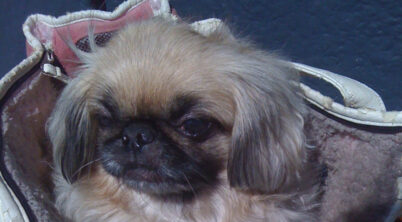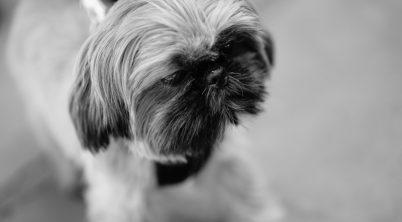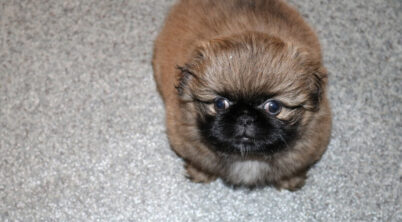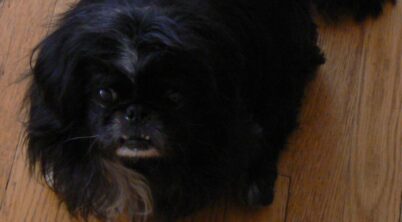
The Pekingese is a small dog breed from China with a long and unique history. Pekingese dogs were originally bred as companions for Chinese royalty, especially within the Imperial court. Their main purpose was to serve as loyal lapdogs and symbols of status and protection for emperors and their families.
These dogs were highly valued and often lived inside the palaces of the Forbidden City in Beijing. Their appearance, including their thick coats and bold faces, made them favorites among the Chinese elite. The story of the Pekingese offers a closer look into ancient traditions and the special role this breed held in Chinese society.
Table of Contents
Origin and Historical Significance
The Pekingese is a breed with a deep connection to ancient China, holding a unique place in both history and culture. It was closely tied to emperors, aristocratic families, and the traditions of the imperial court.
Ancient Chinese Roots
The Pekingese originated in ancient China, with the earliest known dogs appearing more than 2,000 years ago. They were developed through careful and selective breeding, focusing on traits admired in Chinese culture. The breed’s name comes from Beijing, which was historically known as Peking, the capital of imperial China.
Ancient Chinese records and art often show small, lion-like dogs that resemble the modern Pekingese. These dogs became a symbol of status and were often linked to religious beliefs. Ancient people believed the Pekingese had spiritual powers, and some saw them as sacred guardians.
Pekingese were never bred for hunting or work. Instead, their main purpose was companionship and serving as living symbols of nobility. Their history is closely tied to China’s dynastic periods and cultural heritage.
Role in the Imperial Court
Within the imperial court, the Pekingese held great importance. Only members of the imperial family and high-ranking nobles were allowed to own them. These dogs often lived in great luxury, sometimes even having their own servants.
Pekingese dogs were not only pets but also a living representation of Chinese emperors’ power and grandeur. Their small size and unique appearance made them fit for life in royal palaces, especially since emperors valued peaceful, indoor settings.
Special rules governed their care, breeding, and presentation. They often appeared at important ceremonies and were part of royal processions. The exclusiveness of the breed made the Pekingese a closely protected treasure of the Chinese imperial court.
The Forbidden City and Aristocratic Families
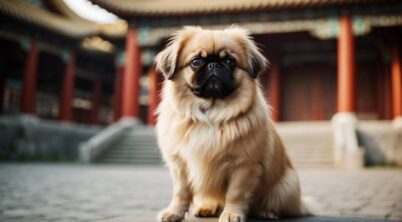
In the Forbidden City, the home of Chinese emperors in Beijing, Pekingese were a familiar sight. They became known as “Lion Dogs” for their resemblance to the lion, an animal seen as a symbol of protection and strength in Chinese culture.
Aristocratic families beyond the royal court also prized the Pekingese. To receive one as a gift from the emperor was a special honor and showed great favor. Strict rules made sure the breed stayed rare outside the Forbidden City.
These dogs often appeared in family portraits and were included in important traditions. The Pekingese’s close association with the nobility helped ensure its survival and unique status even after the end of imperial China.
Purpose and Role of the Pekingese
The Pekingese was bred for specific reasons that go beyond being a simple household pet. Their background reveals a unique blend of companionship, spiritual symbolism, and high status in ancient Chinese society.
Companion and Lap Dog
The main role of the Pekingese was to serve as a companion dog to Chinese royalty. These dogs were bred small enough to fit comfortably on their owner’s laps. This made them ideal lap dogs and indoor pets.
Pekingese are known for their affectionate and loyal personalities. They bond closely with their owners and enjoy spending time with people.
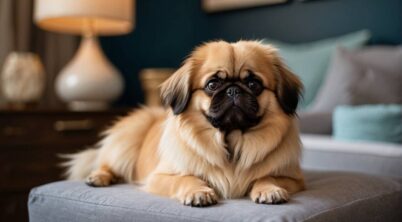
Their independent but loving nature made them popular among the imperial family. Pekingese were always close by, often sitting on silk cushions in the royal chambers.
The breed’s dignified and calm temperament allowed them to adapt well to palace life. Even though they are small, they have a regal bearing and carry themselves with confidence.
Pekingese often served as loyal companions for life, reflecting the value placed on loyalty and affection in traditional Chinese culture.
Symbolic and Spiritual Importance
The Pekingese held strong symbolic and spiritual importance in ancient China. They were often called “lion dogs” because of their mane-like coat, which made them resemble the traditional Chinese guardian lions that stood at palace and temple entrances.
Their appearance was shaped to reflect qualities like bravery and strength, traits linked to the lion in Chinese art and Buddhist beliefs. The breed was also known as the “sun dog,” a term related to spiritual traditions.
Pekingese were considered sacred and sometimes thought to have protective powers. Their presence in religious ceremonies and temples gave them a special place in society.
Monks and members of the imperial court believed that these dogs brought luck and guarded against evil spirits. This spiritual status added to their value and prestige.
Imperial Status and Loyalty
The Pekingese was a symbol of imperial status. Only members of the Chinese imperial family and high-ranking nobles could own them. This exclusivity made the toy dog a status symbol and a sign of wealth.
They were bred in the Forbidden City and lived lives of luxury, receiving the utmost care from palace attendants. Stories even tell of Pekingese having their own servants and silk cushions.
These dogs were sometimes carried inside the sleeves of royal robes, leading to the nickname “Sleeve Dog.” Their role as a personal guard dog was valued, especially among the smallest and boldest dogs.
Loyalty was central to the Pekingese’s character. They were known to stay by their owner’s side, and stories from Chinese history highlight dogs who remained faithful even in times of danger.
Table: Pekingese Roles in Imperial China
| Role | Description |
|---|---|
| Companion | Lap dog and affectionate friend |
| Spiritual Symbol | Lion dog, sacred Buddhist meanings |
| Status Symbol | Exclusive to royalty and nobility |
| Guard Dog | Loyalty and personal protection |
Development and Breeding Practices
The origins of the Pekingese dog breed show careful choices by breeders to create a distinct look and purpose. Over time, the breed’s appearance, small size, and place in society were shaped by tradition and by changing trends, especially as the breed made its way from China to the West.
Selective Breeding for Appearance
Breeders in imperial China selected Pekingese dogs that showed unique features, such as a flat face, long hair, compact body, and bold presence. These dogs stood out with their lion-like mane and proud walk.
The focus on looks also led to strict breed standards, especially for dogs that lived in the Forbidden City. Appearance was seen as a mark of prestige. Features like size, coat texture, and coloration were tracked to match imperial ideals.
Modern breeding programs continue to use these standards. The Pekingese remains part of the “toy breed” or “toy group” in kennel clubs. Careful pairing helps maintain the historical look, though health is now also a key concern to avoid issues found in dogs bred for extreme traits.
Sleeve Pekingese and Sleeve Dogs
Some Pekingese were bred even smaller and were called “sleeve dogs” or “sleeve Pekingese.” These tiny dogs weighed as little as 3 to 6 pounds. They were called “sleeves” because nobles carried them in the wide sleeves of their robes.
The tiny size was seen as a sign of wealth and exclusivity. These dogs also served as companions who provided warmth, fitting perfectly into court life and fashion. Sometimes, multiple small Pekingese were kept for status rather than just companionship.
Table: Characteristics of Sleeve Pekingese vs. Standard Pekingese
| Feature | Sleeve Pekingese | Standard Pekingese |
|---|---|---|
| Weight | 3–6 lbs | 8–14 lbs |
| Main Purpose | Fashion, warmth | Companionship |
| Social Standing | Imperial elite | Broader nobility |
Influence of Western Society
When Pekingese dogs were introduced to western countries, their breeding shifted again. Victorian England and later America admired their exotic origin and beauty.
Kennel clubs, like the American Kennel Club and Fédération Cynologique Internationale, helped set breed standards. The breed was grouped as a toy dog and judged in shows. Western fashion led to a demand for certain looks, including bold coats and broad faces, similar to the imperial standard.
Some breeding programs also looked at health, but appearance often remained the priority. Over time, the Pekingese became a popular show dog and companion, recognized widely beyond its Chinese roots. Today, breeders aim to balance tradition with healthier breeding practices.
Physical Characteristics and Temperament
The Pekingese is a small dog with a unique look and personality. Its history and breed standards shape its appearance, coat, and daily behavior, making it stand out to dog lovers and families alike.
Distinctive Features and Lion-Like Appearance
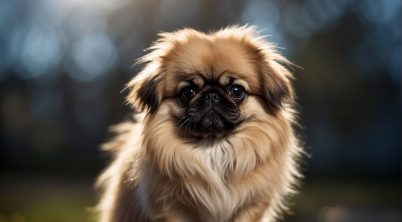
Pekingese dogs are known for their lion-like appearance, which includes a broad, flat face and large, dark eyes.
They have a short muzzle, giving the breed its distinct facial look. Their skulls are wide and flat, and the cheeks are quite prominent. Ears are heart-shaped, hanging close to the head, and are covered with long hair that frames the face.
This breed is low to the ground with a compact, muscular build. They stand about 6-9 inches (15-23 cm) tall at the shoulder and usually weigh 8-14 pounds (3.6-6.4 kg).
Their bodies are longer than they are tall, giving them a sturdy but elegant shape.
Pekingese walk with a rolling gait, which comes from their unique structure and shorter legs. The overall lion-like effect is completed by a full mane of fur around the neck and shoulders.
Coat Colors and Patterns
The Pekingese has a long, double coat that requires regular care.
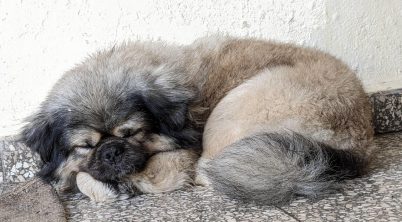
Common coat colors are red, gold, sable, black, white, cream, blue, and tan. Some dogs may show patches or shading, but no single pattern is required for breed purity.
A unique color called “looty” or bluish-gray also appears in some lines, though it’s rare. Pekingese coats may also feature a dark “mask” on the face, which is especially striking against lighter fur.
Their thick coat needs daily brushing to prevent tangles and mats. Owners should pay special attention to their neck, behind the ears, and legs, where the fur tends to knot more easily.
Personality and Behavior
Pekingese dogs are often described as intelligent, alert, and confident.
They form strong bonds with their families and can be very loyal.
Despite their small size, the breed sometimes appears opinionated or stubborn. They are independent thinkers and can be cautious around strangers.
Pekingese are usually affectionate with people they know, but early socialization is important to help them feel secure with new situations.
They tend to get along well with calm children and adults, but may not tolerate rough handling. Their dignified manner pairs with a sometimes bold attitude, reflecting a history as companions to royalty.
Exercise and Activity Needs
Pekingese have moderate exercise needs.
A few short, daily walks and some indoor play are often enough to keep them healthy and prevent boredom. They do not need intense exercise and are not well-suited for long runs or very active owners.
Because of their flat faces and shorter muzzles, care should be taken in hot and humid weather.
Overexertion can lead to breathing problems.
Some may enjoy gentle games and puzzle toys, which keep their minds active without demanding too much physical effort.
They can be prone to weight gain if overfed or inactive, so regular activity and balanced meals are important.
Keeping them at a healthy weight helps support their joints and overall well-being.
The Pekingese Beyond China
Pekingese dogs left their mark not only in ancient China but also in the West after being introduced there in the 19th century. With ties to major historical figures and royal homes, their spread helped shape their recognition and popularity worldwide.
Journey to the West After the Second Opium War
The Pekingese made its way out of China after the Second Opium War in 1860, when British troops entered the Old Summer Palace in Beijing. Five Pekingese dogs were taken from the palace as prizes and brought to England.
One of these dogs was given to Queen Victoria, who named her companion “Looty.” The gift sparked interest in the breed among European aristocrats. The breed’s unique look and royal mystery made it popular with the upper class.
As time went on, others brought Pekingese from China to Europe, and soon they became status symbols across Britain and beyond. Their association with royalty led to growing demand among pet lovers.
Famous Pekingese and Notable Owners
Many wealthy and well-known people owned and loved Pekingese dogs after they arrived in the West. Queen Victoria was among the first to own a Pekingese in Britain. Later, John Pierpont Morgan, a banker in the United States, was known for his fondness for the breed.
President Theodore Roosevelt also had a Pekingese at the White House, helping the breed become a national curiosity. These famous owners displayed Pekingese at social events, further raising the breed’s prestige.
Lists and articles from newspapers in the early 1900s often mentioned celebrities and wealthy families with Pekingese companions. As a result, the dogs were often seen as a symbol of status and refinement.
Recognition in Kennel Clubs
The appeal of the Pekingese led to its inclusion in major dog clubs. The Kennel Club in the United Kingdom recognized the breed in 1909, and the American Kennel Club followed in 1906.
Both clubs set rules for what makes a Pekingese “ideal.” Shows and competitions made the breed even more popular, as more people wanted to own prize-winning dogs.
Standard features, such as the lion-like coat and flat face, became widespread in Western breeding. The breed is now known for its unique appearance, thanks in part to these early standards set by kennel clubs.
Health, Care, and Lifespan
Pekingese are small dogs with a unique look and personality, but their health and grooming needs require close attention from their owners. They often face certain health risks and daily care chores due to their build and coat.
Common Health Concerns
Pekingese can suffer from several health problems because of their flat face and compact body. Brachycephalic syndrome can make it hard for them to breathe, especially in hot or humid weather. Overheating is a risk, so owners need to keep them cool and avoid too much exercise in warm weather.
These dogs are also prone to eye issues like ulcers, dry eye, and infections due to their prominent eyes. Regular eye checks and gentle cleaning can help prevent serious problems. Pekingese may develop dental disease as they age, so routine teeth cleaning is important.
Back problems such as IVDD (intervertebral disc disease) can affect their mobility. Obesity increases the risk of joint and back issues, so their weight should be monitored and managed with proper diet and exercise.
Common Pekingese Health Concerns
| Health Issue | Description |
|---|---|
| Brachycephalic Syndrome | Breathing difficulties |
| Eye Problems | Ulcers, dry eye, infections |
| Dental Disease | Tartar, plaque, oral infections |
| IVDD (Back Problems) | Spinal pain, limited movement |
| Obesity | Strains joints and overall health |
Grooming and Shedding
Pekingese have a thick double coat that sheds throughout the year. Daily brushing is needed to prevent tangles and mats, especially around the ears, hind legs, and under the belly. Mats can lead to skin infections if not removed.
Bathing should be done about once a month or as needed. It is important to use dog-safe shampoo and dry the coat fully after baths. Cleaning under their facial folds and eyes helps prevent buildup and irritation.
Their nails should be trimmed regularly to prevent discomfort and walking problems. Because their hair grows fast, occasional professional grooming may help keep their coat neat and healthy. Regular grooming also allows owners to spot skin problems early.
Life Expectancy and Quality of Life
The average life span of a Pekingese is between 12 and 14 years, though some may live up to 15 years with good care. Proper diet, regular vet visits, and up-to-date vaccinations support a longer and healthier life.
Good weight management and routine exercise help prevent joint problems and heart disease. Quality of life can drop quickly if health problems like eye issues or breathing troubles are ignored.
Pekingese with attentive owners tend to stay healthier. Early training and socialization not only make them well-behaved but also keep them active and alert in later years.