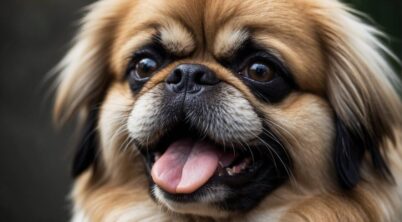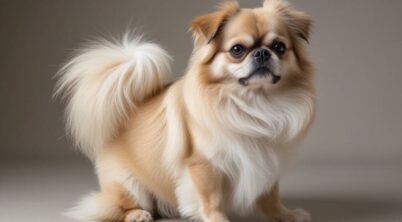
A Pekingese Chihuahua mix, sometimes called a Cheeks or Pekachi, is a small dog with a unique look and a loving personality. People who bring home this mix often wonder how long they can expect their pet to be part of their family. On average, the Pekingese Chihuahua mix lives between 10 and 14 years, which is similar to other small breeds.
Many factors can affect a Cheeks dog’s lifespan, such as diet, exercise, and regular vet visits. Their expected lifespan makes them a good choice for people looking for a long-term companion.
Learning more about their needs and what can impact their life expectancy can help owners give their dog the best chance at a healthy, happy life.
Table of Contents
Pekingese Chihuahua Mix: Breed Overview
The Pekingese Chihuahua mix—often called the Cheeks dog—is a small hybrid that blends traits from both parent breeds. This compact companion is known for its affectionate personality, loyal nature, and unique appearance as a toy dog.
Origin and History
The Pekingese Chihuahua mix is a modern hybrid dog breed, sometimes called a designer dog. This mixed breed combines the Pekingese, an ancient Chinese lap dog known for its royal heritage, with the spirited and compact Chihuahua, which originated in Mexico.
Breeders began intentionally mixing these two breeds in the early 2000s. The goal was to create a small, loyal companion dog with the best qualities of both parent breeds. The mix is sometimes called the “Cheeks,” “ChiPe,” or “Pekachi.” These designer breeds are mainly bred for families, singles, or seniors looking for a devoted, affectionate companion.
The Cheeks dog does not have a long history of its own. Instead, its story is closely tied to the popularity of designer and hybrid dogs over the past two decades.
Physical Appearance
Pekingese Chihuahua mixes are small in stature, typical of toy dog breeds. Most stand about 10 to 14 inches tall and weigh between 3 and 9 pounds. Their body is often compact, and many have a flat head or round skull, which comes from their Pekingese background.
Their face usually stands out, with expressive, round-shaped eyes and a short muzzle. Ears can be either upright or floppy, depending on which parent they resemble more. Some Cheeks dogs inherit the longer coat of the Pekingese, while others have the shorter, sleek fur of a Chihuahua.
Common physical features:
- Compact size
- Round-shaped eyes
- Short to medium snout
- Either upright or floppy ears
- Can have a single or double coat
Coloration varies, with many displaying cream, white, brown, black, or tan in unique patterns.
Temperament and Personality
The Chihuahua Pekingese mix is well known for its devoted and affectionate nature. These dogs are frequently described as loyal companions, thriving as lap dogs and close friends to their owners.
While their size makes them suited for apartment living, they are also alert, making good watchdogs despite their stature. Cheeks dogs usually bond closely with their families, often becoming very attached.
They typically display confidence and alertness inherited from the Chihuahua, combined with the calm, regal behavior of the Pekingese. Many are sensitive and may be wary of strangers, so early socialization is recommended.
This hybrid dog breed can adapt well to single owners, seniors, or families, especially if given plenty of attention and affection. With proper care, they make excellent companion dogs, fitting well into a wide range of homes.
Lifespan and Longevity Factors
The Pekingese Chihuahua mix, also known as the Cheeks dog, is known for a fairly long life among small dog breeds. Typical lifespan, genetic influences, and parent breed traits all play key roles in how long these dogs live.
Average Lifespan of Pekingese Chihuahua Mix
The average lifespan for a Pekingese Chihuahua mix is about 12 to 15 years. Some may live a bit longer with proper care, while others may not reach this age if they have health problems.
A healthy diet, daily exercise, and routine veterinary checks can help maintain their well-being. Small dog breeds like this mix usually outlive larger breeds.
It is important to watch for common health concerns, such as dental issues and heart problems. Early detection and prompt treatment can make a difference in how many years they live.
Below is a quick summary:
| Trait | Range/Comment |
|---|---|
| Average Lifespan | 12-15 years |
| Notable Health Issues | Dental, heart |
| Length Affected by Care? | Yes, significantly |
Genetic Factors Influencing Life Expectancy
Genetic factors play a major role in the life expectancy of the Pekingese Chihuahua mix. Both breeds can pass on certain disorders or strengths.
Hybrid vigor, or the improved health that sometimes comes with mixed-breed dogs, may reduce the risk of inherited diseases. However, mixes can still get problems common to Pekingese and Chihuahuas.
Some genetic predispositions include:
- Heart disease
- Eye problems
- Patellar luxation (knee cap issues)
- Breathing difficulties (from the Pekingese side)
Responsible breeding can help lower health risk. A family history of long-lived, healthy dogs may also predict a longer lifespan for the mix.
Comparison with Parent Breeds
Looking at their parent breeds helps explain the mix’s longevity. The Chihuahua breed often lives 14 to 17 years, making it one of the longest-lived dogs.
The Pekingese breed commonly lives 10 to 15 years. This is partly due to its small size, which is linked to slower aging.
By combining both breeds, the Pekingese Chihuahua mix benefits from the longer average life expectancy seen in these small companion dogs. Still, they may show inherited conditions from either side, so knowing the parent breeds’ backgrounds is helpful when considering a puppy.
Common Health Issues and Risks
The Pekingese Chihuahua mix can inherit a range of health challenges from both parent breeds. Some of the most important concerns include genetic conditions, dental disease, breathing problems, and joint issues common in small dogs.
Inherited Health Challenges
Chihuahua Pekingese mixes are prone to certain inherited disorders that can affect their quality of life. Some genetic health risks found in these dogs include heart problems, such as heart murmurs, and epilepsy. They can also be at risk for kidney stones and hydrocephalus, a condition that causes fluid buildup in the brain.
Obesity is a common concern. If the dog becomes overweight, it can worsen many existing health challenges, from heart disease to joint problems. Proper diet and portion control are vital to reduce these risks.
Eye problems such as dry eye, cataracts, and progressive retinal atrophy may also occur. Regular vet visits help monitor and manage these issues as early treatment can prevent complications.
Pekingese Chihuahuas might show traits of both breeds, which means some health issues can be more serious or show up differently than in purebred dogs.
Dental Problems in Small Breeds
Small breed dogs, including the Pekingese Chihuahua mix, often face dental disease and other dental problems. Crowded teeth are common in small mouths, leading to increased plaque buildup and gum disease.
Bad breath, swollen gums, and tooth loss can develop without regular dental care. These dental issues can also affect other parts of the body, as bacteria from the mouth may spread to organs.
Routine dental cleanings at the vet and daily tooth brushing help prevent serious dental disease. Providing dental chews or specially designed toys can also reduce tartar.
A table of signs to watch for includes:
| Symptom | Possible Issue |
|---|---|
| Bad breath | Gum disease |
| Yellow teeth | Tartar buildup |
| Refusing to eat | Oral pain |
| Loose/missing teeth | Advanced dental disease |
Respiratory and Brachycephalic Concerns
Pekingese parentage introduces brachycephalic (short-nosed) facial features in some mixes. This can lead to breathing problems, such as brachycephalic airway syndrome and tracheal collapse.
Dogs may snore, tire quickly, or have noisy or labored breathing. Hot and humid weather can make these symptoms worse and increase the risk of overheating.
Affected dogs must not be over-exercised in heat. Owners should watch for signs of distress and seek veterinary care if breathing problems appear severe or sudden.
Managing these risks includes keeping the dog at a healthy weight and providing a cool, calm environment. Surgery may help severe airway blockages in rare cases.
Joint and Bone Health
Joint issues are common in small dogs like the Pekingese Chihuahua mix. Patellar luxation, where the kneecap slips out of place, often causes limping, hopping, or skipping steps. This can lead to pain and arthritis if not treated.
Other concerns include hip and elbow dysplasia, and general bone weakness. These problems may worsen with age, obesity, or excessive jumping from heights.
Regular checkups can spot joint problems early. Light exercise, joint supplements, and avoiding obesity all reduce stress on the bones and joints.
Providing ramps or steps for getting on and off furniture helps prevent injury. In severe joint cases, surgery might be recommended by a veterinarian.
Care and Maintenance for Optimal Lifespan
Proper care, good nutrition, regular exercise, and grooming play a big part in helping a Pekingese Chihuahua mix reach a healthy old age. The right daily routine helps keep this small breed active, happy, and less likely to get sick.
Nutrition and Diet Requirements
Feeding the Pekingese Chihuahua mix high-quality, age-appropriate dog food is important. Look for recipes meant for small breeds with real meat or fish as the top ingredient. Choose kibble that supports joint health and strong teeth since these dogs can have dental problems.
Dividing their meals into two or three smaller portions per day helps maintain healthy blood sugar levels. Avoid overfeeding, as this breed is prone to weight gain, which stresses their joints and heart. Table scraps and foods high in fat should be avoided. Fresh water should always be available.
Add small amounts of fruits and vegetables that are safe for dogs, like carrots and blueberries, as snacks. Some dogs may benefit from supplements such as omega-3 fatty acids for skin and coat health, but always check with a veterinarian before starting any supplements.
Exercise and Activity Needs
The Pekingese Chihuahua mix is a small dog with moderate exercise needs. Short walks twice a day, along with some indoor playtime, will usually be enough. Too much vigorous activity can stress their sturdy but compact bodies.
Interactive toys, gentle games, and short training sessions help burn off energy and keep their minds sharp. This breed isn’t suited for jogging or rough play but enjoys exploring safe spaces at its own pace. Make sure play areas are secure, as they are small and can squeeze through tiny gaps.
Consistency is key for exercise routines. Lack of activity often leads to boredom and weight gain. Owners should adjust exercise based on the dog’s age, health, and overall energy level.
Grooming and Coat Care
This mix often has a double-layer coat that needs regular attention. Brush at least two to three times a week to prevent mats and tangles, especially around the neck and behind the ears. Long-haired coats may need even more frequent brushing.
Bathing is needed every month or when the dog begins to smell or looks dirty. Use a gentle dog shampoo to avoid drying out the skin. Keep an eye out for fleas or skin problems when grooming.
Clean their ears and trim nails regularly. Check eyes for signs of discharge. Good grooming routines help keep the coat healthy, reduce excess shedding, and allow for early discovery of potential health issues.
Training, Socialization, and Wellbeing
Training and raising a Pekingese Chihuahua mix involves using patience and positive reinforcement. Early socialization, consistent obedience training, and regular mental activities help these dogs grow up to be well-behaved, happy pets.
Early Socialization Strategies
Early socialization is important for a Pekingese Chihuahua mix, as both parent breeds can show cautious or stubborn tendencies. Exposing the puppy to different people, gentle children, friendly dogs, and normal household noises helps build confidence and trust.
Short playdates can allow the dog to observe and interact at its own pace. Visiting new environments, such as parks or pet-friendly stores, is also helpful. Rewards with treats and praise help the puppy learn that new experiences are safe and fun.
It’s best to start socialization as early as possible—usually between 8 and 16 weeks old. Gradually increase the level of challenge. Supervised introductions prevent fear or aggressive behavior. Consistent exposure makes the dog more adaptable and less anxious around strangers or other animals.
Obedience and Potty Training
Pekingese Chihuahua mixes often have a stubborn nature, which can make training a bit challenging. Using positive reinforcement, such as treats and gentle praise, is effective. Never use harsh corrections, as these dogs can be sensitive and may become fearful or withdrawn.
Short, daily training sessions work best. Focus on basic commands: “sit,” “stay,” “come,” and “leave it.” Consistency is key. Each family member should use the same commands and reward system.
Potty training should start as soon as the puppy comes home. Set a schedule for bathroom breaks, especially after meals and naps. Praise or give a small treat every time the puppy goes outside. Training pads can be helpful for apartment living, but outdoor training is preferred for long-term success.
Mental Stimulation and Enrichment
Mental stimulation is important for these intelligent mixes. Boredom can lead to unwanted behaviors like barking or chewing. Use toys that offer a challenge, such as puzzle feeders or treat-dispensing balls, to keep their minds busy.
Interactive games like hide-and-seek or short training sessions with new tricks can keep them engaged. Rotate toys regularly to maintain interest, and add short walks for new sights and scents.
List of useful enrichment ideas:
- Puzzle toys and feeders
- New walking routes
- Short obedience sessions
- Gentle play with family members
Providing plenty of mental stimulation will help the dog stay happy and well-adjusted, as well as strengthen the bond with its owner.
Special Considerations for Owners
Caring for a Pekingese Chihuahua mix involves making careful choices about where the dog comes from, giving regular health check-ups, creating a healthy environment, and handling common behavioral challenges. Owners play an important role in ensuring the long-term comfort and well-being of this designer breed.
Choosing a Responsible Breeder or Rescue
Selecting a trustworthy breeder or rescue is important for this breed’s health. Responsible breeders will share the puppy’s health history and provide proof of vaccinations and screenings for common genetic problems. They should be open to questions about the dog’s parents and show clean, healthy living areas for puppies.
Rescues like Peke A Tzu Rescue offer adoption options for senior or special-needs dogs. Choosing adoption can give older Pekingese Chihuahua mixes a better quality of life and help them find caring families. Owners should avoid buying from backyard breeders or pet stores that may not follow ethical practices.
Look for breeders who are members of reputable dog clubs or who provide written health guarantees. A good rescue will often screen applicants and help with the adjustment period, ensuring sets up both dog and owner for success.
Veterinary and Preventive Care
Regular veterinary check-ups are crucial for early detection of health issues. Pekingese Chihuahua mixes should see a veterinarian at least once a year for a full physical exam, dental care, and vaccinations. Preventive care should include parasite control, annual blood tests, and regular flea and tick prevention.
Dental hygiene is especially important, as small breeds are prone to tooth decay. Owners should brush the dog’s teeth regularly and provide dental treats. Spaying or neutering, microchipping, and routine wellness exams help prevent disease and increase life expectancy.
Keeping up with recommended vaccinations and discussing breed-specific risks with a veterinarian ensures the dog stays healthy for as long as possible. Owners should keep a written record of all veterinary visits and follow-up appointments.
Lifestyle and Environment Recommendations
Pekingese Chihuahua mixes adapt well to apartment living due to their small size and moderate activity needs. However, they require daily walks and safe play areas to prevent obesity and keep them engaged. Providing mentally stimulating toys helps reduce boredom and destructive behavior.
Owners should offer a quiet, clean environment and avoid extreme temperatures, as these dogs may have trouble in hot or cold weather due to their short noses and small size. Consistent routines support their mental health and improve their quality of life.
A balanced diet with high-quality dog food, plenty of fresh water, and regular exercise supports longevity. They are not considered hypoallergenic, so regular grooming and cleaning can help manage shedding and dander.
Potential for Separation Anxiety
This mix can become very attached to their owners, which increases the risk of separation anxiety. Signs include barking, whining, destructive chewing, and bathroom accidents when left alone. Early socialization and training help reduce these behaviors.
Tips to manage separation anxiety:
- Leave comfort items, like favorite toys or a blanket, with the dog.
- Practice leaving the house for short periods and slowly increase the time away.
- Use positive reinforcement when the dog stays calm during departures and returns.
Owners might also consider doggy daycare, family visits, or hiring a pet sitter for longer absences. Meeting their emotional needs helps prevent stress-related problems and supports a calm, happy pet.