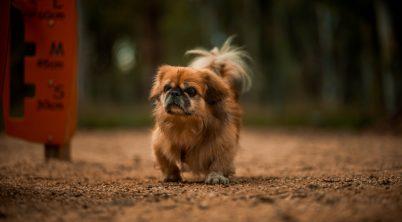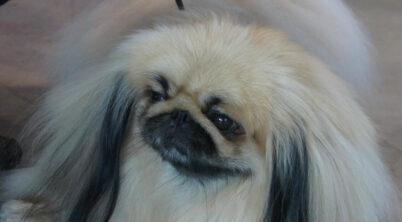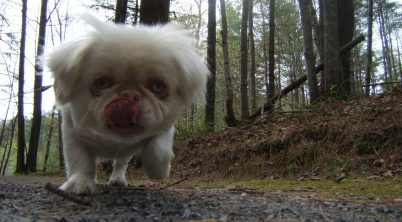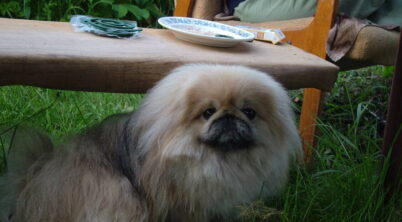
The Pekingese Corgi mix is a unique hybrid that combines the loyal and affectionate nature of the Pekingese with the playful spirit of the Corgi. This mix brings together two small but sturdy breeds to create a companion that enjoys cuddling and being close to its family.
Their interesting looks and friendly personalities make them appealing for those seeking a loving pet. People who enjoy dogs that love attention and can be a bit spirited will find the Pekingese Corgi mix a great fit.
This mixed breed tends to have a low need for exercise, making it suitable for apartment living or homes with limited space. With the right care and attention, the Pekingese Corgi mix can be a cheerful and devoted friend.
Table of Contents
Origins and History of the Pekingese Corgi Mix
The Pekingese Corgi mix is a hybrid dog created by combining two well-known purebreds. Their origin reflects modern trends in crossbreeding and the popularity of mixing established breeds to develop new companion dogs.
The Parent Breeds: Pekingese and Corgi
The Pekingese is an ancient dog breed from China. It was once a companion to Chinese royalty and is known for its long coat and flat face. Pekingese dogs are small, bold, and have a distinct appearance with a lion-like mane.
There are two types of Corgis: Pembroke Welsh Corgi and Cardigan Welsh Corgi. Both are herding dogs from the United Kingdom, but Pembrokes have shorter tails while Cardigans have long, fox-like tails and are slightly bigger. Corgis are famous for their short legs, sturdy bodies, and playful nature.
Mixing a Pekingese with a Corgi blends these backgrounds. The resulting crossbreed can have traits from both parents, such as the Pekingese’s loyalty and the Corgi’s energy. Common features include a compact body, a soft or slightly longer coat, and a mix of facial shapes.
Popularity of Designer Dogs and Crossbreeds
In recent years, designer dogs and mixed breeds have grown in popularity. Breeders often create these crosses to combine the best features of two purebred dogs or to achieve certain traits, such as a specific size or look.
Pekingese mixes and Corgi mixes have become more desirable as people search for unique dogs that stand out from traditional breeds. Some owners also believe mixed breeds can be healthier due to a wider gene pool, though this is not always guaranteed. The movement toward crossbreeding reflects changing lifestyles, with more people wanting smaller, adaptable companion dogs.
Designer dogs like the Pekingese Corgi mix appeal to families who enjoy the personalities of both parent breeds. Many of these hybrids are first-generation, so their appearance and temperament can vary from litter to litter.
The Rise of Corgi Mixes
Corgi mixes have received special attention over the past decade. Their friendly personalities and distinctive look make them popular choices for hybrid dogs. Pembroke Welsh Corgi and Cardigan Welsh Corgi mixes include combinations with Poodles, German Shepherds, and other small breeds.
A table of common Corgi mixes:
| Corgi Mix Breed | Other Parent Breed | Key Traits |
|---|---|---|
| Corgipoo | Poodle | Low-shedding coat |
| Corgidor | Labrador Retriever | Playful, loyal |
| Corgi Inu | Shiba Inu | Alert, energetic |
| Corginese (Pekingese mix) | Pekingese | Loyal, unique look |
The Pekingese Corgi mix is not as well-known as some others, but interest is growing. Hybrid dogs like these attract pet lovers who want something different from a traditional purebred and hope to enjoy the best qualities of both parents.
Physical Characteristics and Appearance
The Pekingese Corgi mix is known for its unique look. This hybrid often blends features from both parent breeds, creating a sturdy and expressive companion. Its build, coat, and coloring can surprise new owners with variety.
Typical Features of the Pekingese Corgi Mix
The Pekingese Corgi mix usually has a sturdy body shaped somewhere between small and medium-sized dogs. Expect a long torso, similar to the Corgi, paired with short but strong legs.
The head often features a round or broad skull, with a shortened muzzle that sometimes takes after the Pekingese. Ears may stand upright like the Corgi or be more floppy, depending on which parent they resemble.
Eyes are generally round and expressive, sometimes larger, reflecting the alertness of both breeds. This mix may have a curled, fluffy tail or one that sticks out straight. The overall appearance is often compact and well-muscled.
Size and Coat Types
Most Pekingese Corgi mixes fall between 10 to 14 inches tall at the shoulder, fitting comfortably into the small to medium-sized dog category. Their weight typically ranges between 15 and 30 pounds.
Coat type may vary. Some have a double coat, with a thicker, soft undercoat and a straight, short to medium-length outer coat. Others might inherit the longer, flowing hair of the Pekingese, giving them a fluffier appearance. Shedding can be moderate to heavy, especially with a dense coat.
Grooming needs depend on coat type, but frequent brushing is usually required to prevent mats and tangles. The length and texture of the coat not only add to their charm but also protect them in different weather.
Color Variations
The coat color of a Pekingese Corgi mix can vary widely. Common shades include fawn, cream, apricot, black, gray, sable, or a blend of these colors. Some dogs have markings or patches, especially on the face and chest.
A mix may display a mask-like marking on their face, similar to the Pekingese. Others show the white-tipped tails and paws often seen in Corgis. Color patterns are not always predictable, even among puppies from the same litter.
While some mixes have solid colors, many are a blend, giving each dog a unique appearance. This variety means each Pekingese Corgi mix stands out with its own distinct coat and markings.
Temperament and Personality
A Pekingese Corgi mix brings together bold traits from both parent breeds. This hybrid often makes a dedicated family pet, known for being loyal, alert, and affectionate, with unique social habits and energy needs.
Energy Levels and Playfulness
This crossbreed tends to be moderately active. Most Pekingese Corgi mixes like playtime, but their energy levels may be lower than very active breeds. They often enjoy short walks, gentle fetch games, and indoor activities.
Don’t expect this mix to need hours of exercise each day. Mental stimulation, such as puzzle toys or new tricks, helps keep them happy and prevents boredom. Because both the Pekingese and Corgi can be stubborn, play sessions should be positive and simple.
Owners might notice that these dogs have bursts of playfulness followed by rest. Since they are not high-energy dogs, they fit well with families looking for a pet that can keep up but also relax.
Loyalty and Affection
A Pekingese Corgi mix bonds closely with their family members. They are affectionate dogs, often seeking out cuddles or following their owners from room to room. Many enjoy being lapdogs, especially if socialized early.
This loyal companion may pick one favorite person but usually loves everyone in their home. Their loyalty sometimes leads to protective, watchdog-like behavior. They may alert owners to visitors with barking.
While they are loving pets, they might not enjoy being left alone for long periods. Separation anxiety can develop if they don’t get enough attention, so regular engagement is important for their well-being.
Socialization and Behavior
Early socialization is important for this mix to help them get along with children, other pets, and strangers. They can be a bit wary or reserved when meeting new people. With proper training, they typically become well-behaved and friendly.
They often bark at strange sounds or people, making them good watchdogs. Training them to control excessive barking is helpful. Since both parent breeds have independent streaks, patience and consistency in training are needed.
Positive reinforcement methods like treats or praise work best. With good socialization, a Pekingese Corgi mix can adapt to a range of home environments, becoming well-mannered family pets.
Care, Grooming, and Exercise Needs
The Pekingese Corgi mix combines the strong personality of the Corgi with the unique look of the Pekingese. This crossbreed needs consistent grooming, daily exercise, and early training to stay happy and healthy.
Grooming Requirements
The Pekingese Corgi mix often has a medium to long double coat. Shedding can be moderate to heavy, especially in spring and fall. Brushing 2–3 times a week is needed to prevent mats and tangles. Use a slicker brush and a metal comb for best results.
Bathing should be done every 4–6 weeks or as needed. Check and clean ears weekly to watch for wax buildup or infection. Trim nails monthly, and brush teeth several times a week with a dog-safe toothpaste. Pay extra attention to the fur behind the ears and around the chest, as these areas are prone to tangling.
Exercise and Activity Levels
This mix tends to have moderate to high energy, especially if the Corgi side is strong. Daily exercise is important. A minimum of 30–45 minutes of activity, such as brisk walks or interactive play, helps to keep weight in check and minds busy.
Because Corgis are part of the herding group, this mix may enjoy games that use their natural instincts, like fetch or puzzle toys. Without regular exercise, they can get bored and develop bad habits like chewing or barking. Mental activities, like basic obedience or scent games, are also recommended to keep them stimulated.
Training and Socialization
The Pekingese Corgi mix is typically smart and willing to please but can also be a bit stubborn. Use positive reinforcement such as treats, praise, and play to teach commands. Start basic training as early as possible to build good habits.
Early socialization is key to prevent shyness or bossiness. Expose them to new people, places, and other animals in a calm and safe way. Both Corgis and Pekingese can be wary of strangers, so patient training helps them become polite pets. Short, fun training sessions work best to keep them interested and prevent frustration.
Health and Lifespan Considerations
A Pekingese Corgi mix can face some unique health challenges, but good care and smart choices can help the dog stay healthier for longer. Paying attention to diet, exercise, and early signs of problems will make a big difference in daily quality of life.
Common Health Issues
The Pekingese Corgi mix might inherit common ailments from both parent breeds. Some issues to watch for include:
- Joint Problems: Hip dysplasia and elbow dysplasia can cause stiffness or limping.
- Back Issues: Like many Corgi mixes, they may have long backs and short legs. This makes them more likely to get intervertebral disc disease.
- Eye Problems: Dry eye and cataracts are possible, especially from the Pekingese side.
- Breathing Difficulties: The Pekingese parent can pass down a flat face. This sometimes leads to brachycephalic airway syndrome, which causes noisy breathing and tiredness.
- Obesity: Being overweight increases the risk of joint and heart issues.
Regular vet visits, good weight management, and keeping the dog active help lower the chances and effects of these health problems.
Diet and Nutrition
This mix dog needs a balanced diet to prevent obesity and support joint health. High-quality, age-appropriate dry kibble with moderate protein is typically recommended. Owners should avoid feeding human food, as it can lead to picky eating and stomach upset.
Key guidelines for feeding:
| Food Type | Amount | Notes |
|---|---|---|
| Dry kibble | 1-1.5 cups | Split into 2 meals a day |
| Treats | Under 10% | Use healthy, low-fat treats |
| Supplements | Vet-advised | Joint and skin support only |
Fresh water should be available all day. Portion control is key to avoiding extra weight, which is very hard on the dog’s joints and back. Owners may work with a vet to set a meal plan, especially if the dog seems to gain weight easily or has food allergies.
Expected Lifespan
The Pekingese Corgi mix usually lives between 12 and 15 years. This range depends on genetics, overall health, activity, and regular care. Mixed breeds may enjoy a slightly longer life compared to purebreds, as they often face fewer inherited diseases.
Longevity improves with routine medical care, weight control, and brushing teeth to prevent oral issues. Exercise helps maintain heart, muscle, and joint health.
Females sometimes live a bit longer than males. Responsible breeding and avoiding obesity are the two strongest factors for giving this mix a longer, healthier life.
Finding and Raising a Pekingese Corgi Mix
Getting a Pekingese Corgi mix means understanding where to find a healthy puppy and how to care for its unique needs. Breeder reputation, adoption resources, and a good home fit are all key to success.
Choosing a Reputable Breeder
A reputable breeder puts the health and temperament of their dogs first. They should offer clear proof of health tests for both the Corgi and Pekingese parent dogs, including checks for genetic issues. Buyers should ask to visit the breeder’s facility to see the living conditions.
Things to Look For:
- Transparent health records and vaccination history.
- Clean, safe, and comfortable environment for puppies.
- Willingness to answer questions about the breed.
- Socialized puppies that interact well with people.
Breeders who avoid these steps or have multiple breeds available at once may be less trustworthy. Avoid puppy mills or breeders who cannot provide clear information about their dogs.
Adoption and Rescue Options
Rescuing a Pekingese Corgi mix from a shelter or breed-specific rescue group is another way to find a companion. Local shelters, online rescue networks, and specialty organizations may have mixes available for adoption.
Adoption often means the dog is older, but it can also mean lower costs and helping a dog in need. Look for shelters or rescues that know the dog’s background and temperament.
Ask for any available health records or a meeting with the dog beforehand. Adoption staff can help match families with a dog that fits their lifestyle, especially with crossbreeds like this one.
Living Situations and Adaptability
A Pekingese Corgi mix usually does well in homes where they get enough attention and exercise. They can live happily in apartments or houses as long as daily walks and playtime are part of their routine.
Some may shed a lot because both parents are heavy shedders. It helps to have a schedule for brushing and cleaning. They can be stubborn or independent, so training should start early, with consistent rules.
These dogs are often loyal and make good pets for singles, couples, or families. Early socialization and regular routines help them adapt to busy or calm households. They may also have herding instincts and sometimes a strong personality, so supervision around small children is wise.