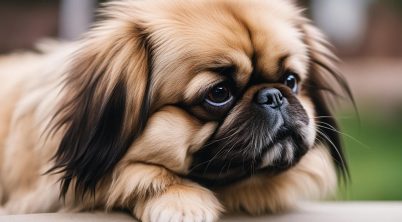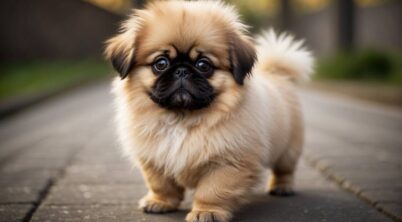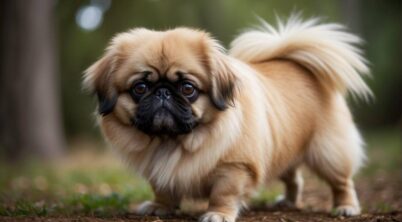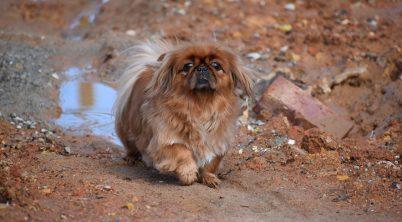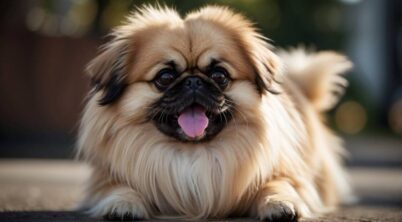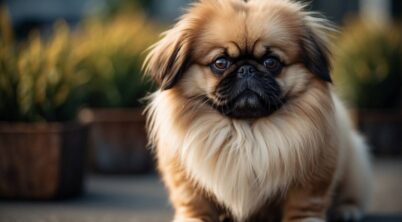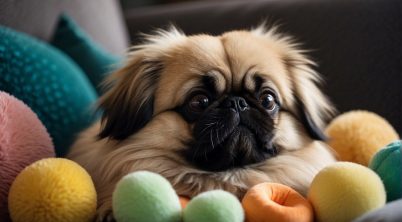
The Pekingese Dachshund mix, often called a Pekehund, is a small designer dog that blends the charm and unique features of both parent breeds. This crossbreed usually has a long body, short legs, and a fluffy coat, making it stand out among other small dogs. With origins rooted in the Pekingese and Dachshund backgrounds, the Pekehund brings a mix of playful energy and affection to any home.
Pekehunds are known for being active, friendly, and people-oriented. They do well with families who can give them attention, regular exercise, and love. As with many crossbreeds, their appearance and personality can vary, but they tend to need several short walks each day and enjoy being part of family activities.
Table of Contents
Breed Origins and History
The Pekingese Dachshund mix is a hybrid dog that blends the traits of two old and unique breeds. Each parent breed has a long history and a specific purpose, which has shaped the characteristics of this mixed breed.
The Pekingese Background
The Pekingese comes from China and was a favorite in imperial courts for hundreds of years. Bred to be companions, these dogs are known for their lion-like appearance and proud attitude. Their small size made them ideal lap dogs for emperors and royalty.
Pekingese dogs are part of the brachycephalic group, which means they have a short nose and flat face. This shape gives them a distinct look but can sometimes lead to breathing problems, including brachycephalic syndrome. Over the centuries, Pekingese have been admired for their loyalty and bold personalities.
They remain popular in many homes today, both as purebreds and as mixes with other small dog breeds, such as in the Pekingese Dachshund mix.
Dachshund Heritage
Dachshunds, also called “badger dogs,” were first bred in Germany. Their long, low bodies made them excellent at hunting badgers and other burrowing animals. This breed was designed for courage and persistence, which explains their strong-willed nature.
There are different types of dachshunds, including standard, miniature, and even wire-haired varieties. Over time, dachshunds have also become popular household pets, thanks to their loyal and playful demeanor.
Many mixes exist that feature dachshunds, like the Docker (Dachshund-Cocker Spaniel), Doxie-pin (Dachshund-Miniature Pinscher), and Dashalier (Dachshund-Cavalier King Charles Spaniel). The combination with the Pekingese creates a playful and energetic hybrid that displays traits from both parents.
Crossbreeding and Designer Dogs
The trend of creating designer dogs, or purposeful hybrid breeds, began gaining attention in the late 20th century. The goal is to combine the best qualities of two purebreds, such as personality, looks, and health. The Pekingese Dachshund mix, known by names like Pekehund, Pekeashund, Pekeweenie, or Dachanese, is one result of this practice.
Crossbreeding Pekingese with dachshunds aims to produce a small but spirited companion that is loyal and alert. This type of hybrid breed often appeals to families looking for a dog with unique looks and a combination of traits from each parent breed.
Other designer dogs that include the Pekingese are the Peekapoo (Pekingese-Poodle mix) and mixes like the Papillon-Pekingese. Each hybrid comes with its own set of behaviors and care needs, but all require dedicated owners who understand the background of both parent breeds.
Physical Characteristics and Appearance
The Pekingese Dachshund mix is a small dog with features inherited from both parent breeds. Its unique look, coat types, and grooming needs make it suitable for many living situations, including apartment living.
Size and Build
This mix is usually a small to medium-sized dog, weighing between 10 to 20 pounds. Most dogs will stand around 8 to 12 inches tall at the shoulder. Their bodies tend to be long and low to the ground, much like the Dachshund parent.
Short legs, compact frames, and sturdy bone structure are common. Some dogs may have a more Pekingese-like face, with a shorter muzzle and expressive eyes. Others look more like a slender Dachshund with a narrower face. Most have a tail that may be carried over the back or to the side.
These physical traits make them easy to adapt to smaller living spaces as they do not take up much room or need large yards.
Coat Type and Color
The coat of a Pekingese Dachshund mix is often medium to long in length. It may be straight, wavy, or slightly fluffy, reflecting either parent’s genetics. Many dogs inherit a thick, double-layered coat from the Pekingese, making them feel soft and plush to the touch.
Coat colors can vary. Common colors include black, tan, brown, cream, red, or a mix. Markings and patterns such as dapple, sable, or brindle may also appear.
Below is a list of some typical coat features:
- Length: Medium to long
- Texture: Soft, fluffy, or sometimes straight
- Colors: Black, brown, tan, cream, red, mixed patterns
Some may shed more during certain seasons, especially if the coat is dense or double-layered.
Grooming and Maintenance
Grooming is a key part of their care routine. Their coats need regular brushing—two to three times a week is recommended for most, and more often for longer or denser coats. Brushing helps prevent mats and removes loose hair.
Bathing should be done every few weeks or when the dog becomes dirty. Special attention should be paid to the ears and creases where dirt may collect. Regular nail trims, dental care, and ear checks are also important to maintain overall hygiene.
Routine coat care keeps the dog looking its best and supports skin health. These maintenance steps help make this mix a good fit for people willing to invest some time in grooming, especially for apartment living.
Temperament and Personality Traits
The Pekingese Dachshund mix, often called the Pekehund, is known for its loyalty, affectionate nature, and playful attitude. These dogs form strong bonds with their families and show clear preferences in how they interact with people and other animals.
Typical Behavior
Pekehunds often have a loyal and protective personality. They usually attach themselves to their main owner and like to stay close by. This makes them devoted companions. They can be affectionate and loving, eager for cuddles and attention.
Their playfulness means they enjoy games and spending time with their people. Despite their small size, these dogs may show alertness and can be quick to bark at strangers or noises. This makes them good little watchdogs, but it can also be a challenge for families wanting a quiet pet.
They are sometimes stubborn and independent. Training may require patience and consistency, as they can choose to ignore commands if not interested. However, their intelligence means they can learn well when motivated with treats or praise.
Pekehunds vary in energy level, but many like daily walks and some playtime. Too much alone time can lead to separation anxiety, so they do best with owners who are home often or provide enough activities.
Interaction with Families and Other Pets
This mix often gets along well with children, especially when raised together. They tend to bond closely with family members and show dedicated companionship. Early socialization is important to help them adapt and behave calmly around new people and animals.
Pekehunds can live with other pets, though their alert and sometimes bossy attitude may show when meeting new dogs or cats. Slow introductions and monitoring are helpful for a smooth welcome.
For households with young kids, teaching children gentle handling is key. While usually affectionate, some Pekehunds may not tolerate rough play and prefer quiet, positive interactions.
Some pros for families are their loyal nature, loving affection, and ability to be a playful family pet. Cons may include stubbornness, risk of separation anxiety, and a protective streak that leads to barking. Socialization and routine can help manage these traits and foster a well-behaved companion.
Health Concerns and Lifespan
The Pekingese Dachshund mix, also called the Pekehund, can be prone to certain health problems. Their lifespan depends on both genetics and the level of care they receive, including nutrition and regular vet visits.
Common Health Issues
The Pekehund may inherit health concerns from both parent breeds. Intervertebral disc disease (IVDD) is common in dogs with long backs, such as Dachshunds, and can cause back pain or even paralysis if not treated.
Patellar luxation, where the kneecap moves out of place, is another concern. They can also develop dental problems mostly due to their small mouth size, so regular tooth brushing is important. Eye issues like progressive retinal atrophy and heart conditions such as mitral valve disease may appear as the dog ages.
Other health problems to watch for include obesity, which can make joint and back issues worse, along with diabetes, epilepsy, and Cushing’s disease. Keeping a checklist of symptoms and regular vet visits can help catch these issues early.
| Health Issue | Description |
|---|---|
| Intervertebral Disc Disease | Back pain, risk of paralysis |
| Patellar Luxation | Kneecap shifts, causes lameness |
| Dental Problems | Plaque, gum disease, bad breath |
| Progressive Retinal Atrophy | Gradual loss of vision |
| Mitral Valve Disease | Heart trouble, coughing, tiredness |
| Obesity | Extra weight stressing joints and heart |
Lifespan and Well-Being
With proper care, a Pekingese Dachshund mix often lives 12 to 16 years. Some even reach beyond this range if they avoid major health issues. A balanced diet is important to support a healthy weight and reduce the risk of diabetes, heart disease, or joint problems.
Daily walks and safe play are needed to control weight and keep muscles strong. Owners should avoid letting them jump off furniture to reduce stress on their back.
Routine health checks, vaccines, and professional teeth cleaning can help spot illnesses early. Early intervention and a healthy lifestyle let many Pekehunds enjoy long and comfortable lives.
Care, Training, and Lifestyle
The Pekingese Dachshund mix is a unique dog with specific needs. Their care includes keeping up with daily exercise, providing proper training, and giving a balanced diet to support overall well-being.
Exercise Requirements and Activity
This breed tends to have a moderate energy level. They enjoy walks, short periods of playtime, and activities that challenge their minds. Aim for at least 30 to 45 minutes of exercise per day. This can include brisk walks or time in a safely fenced yard.
Interactive toys and games keep them mentally stimulated, which is important because boredom can lead to unwanted behavior. Activities like fetch, puzzle toys, and scent games are good choices. They may not need as much exercise as larger breeds, but daily activity helps prevent weight gain and supports joint health.
Avoid intense activities, such as long-distance running or jumping from heights, because their long backs may be prone to injury. Gentle play and a consistent routine work best.
Training and Socialization Strategies
The Pekingese Dachshund mix is intelligent and often eager to please. Training using positive reinforcement methods, such as treats and praise, usually leads to success.
Early socialization is important. Introduce them to new people, pets, and experiences while they are still young to help reduce shyness or stubbornness. Short, regular training sessions work better than long ones because they maintain focus better with brief tasks.
Basic commands like sit, stay, and come should be introduced early. If possible, enroll in a puppy class for extra support.
Consistent routines help prevent bad habits. Avoid harsh reactions; patience and gentle correction support better results.
Diet and Nutrition
A balanced diet is essential for this crossbreed. Choose a high-quality commercial dog food, or talk to a vet about a homemade diet that meets their needs. Look for dog food formulas appropriate for their size and activity level, paying attention to calorie content to prevent obesity.
Feed meals twice a day rather than leaving food out. This helps control portions and makes training easier. Include fresh water at all times.
Check with a veterinarian to determine the best food type based on their age, weight, and health conditions. Watch for food allergies or sensitivities, especially in dogs with sensitive stomachs. Avoid giving foods high in fat, as this mix is prone to weight gain if overfed.