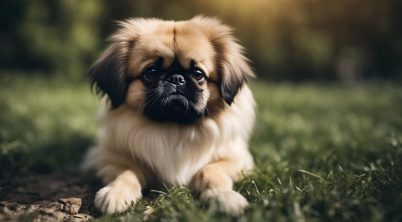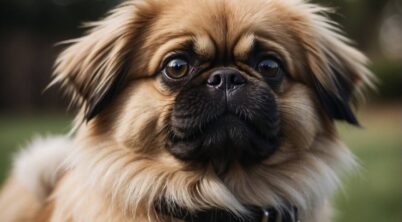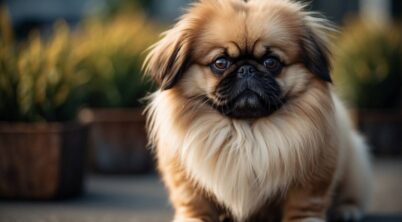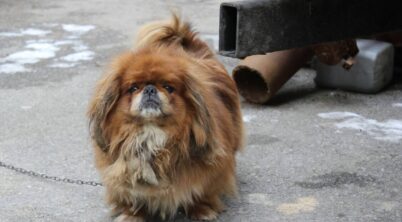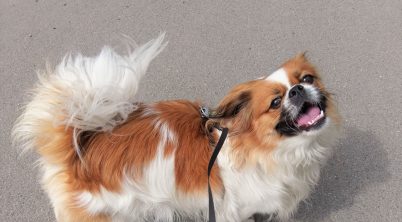
Pekingese dogs are known for their beautiful, long coats and their history as companions to Chinese royalty. Dog owners often wonder if these fluffy pets shed a lot and what that means for daily grooming.
Pekingese do shed a moderate to heavy amount year-round, and their thick, double coats also go through periods of even heavier shedding. Regular brushing and grooming are necessary to manage the shedding and keep their fur healthy.
Understanding the shedding habits of Pekingese helps dog owners prepare for the care these unique dogs need. Learning more about their grooming routine and what to expect can make life easier for both the pet and the owner.
Table of Contents
Do Pekingese Dogs Shed?
Pekingese dogs, sometimes known as lion dogs, are known for their long, thick coats. Shedding is normal for this breed and can affect grooming needs, home cleaning, and allergy considerations.
Understanding Shedding Levels
Pekingese have a double coat, made up of a dense undercoat and a long, straight outer coat. These dogs are considered moderate to heavy shedders. Shedding can sometimes be more noticeable than with other small breeds because of the amount and length of hair.
Brushing is needed several times a week to help remove loose fur and avoid matting. Some owners choose to brush their Pekingese daily to keep their coats healthy and the home cleaner.
Shedding happens throughout the year, so pet hair on furniture and clothing is common. Vacuuming and regular cleaning will be needed for homes with Pekingese. Below is a table of their shedding level compared to other breeds:
| Breed | Shedding Level |
|---|---|
| Pekingese | Moderate to Heavy |
| Shih Tzu | Light |
| Golden Retriever | Heavy |
| Poodle | Very Low |
Shedding Patterns and Cycles
Pekingese have seasonal shedding cycles, often called “coat blow.” This means they shed more during spring and fall as the weather changes. These periods are known for much heavier shedding, when dead undercoat is released.
Regular grooming helps manage these cycles and keeps their skin healthy. The shedding is not limited to these periods—Pekingese shed smaller amounts all year.
Areas behind the ears, near the neck, and around the legs can get extra tangled or matted during heavy shedding times. Special care should be given to these spots. Dogs that are not brushed regularly may develop mats, which are painful and hard to remove.
Is Pekingese Hypoallergenic?
Pekingese are not hypoallergenic. They shed dander and fur like most double-coated breeds, which can cause allergic reactions in sensitive people.
Even with regular grooming, a Pekingese will not be safe for someone with strong dog allergies. Their thick coat also traps dust and pollen, which can make allergies worse.
Some people may be less affected by one dog than another, but the Pekingese is not considered a good choice for allergy sufferers. Regular baths and cleaning can reduce dander but will not prevent allergic reactions completely.
The Pekingese Coat Structure
The Pekingese has a long, flowing coat that makes them stand out. Their fur requires careful attention to stay healthy and looking its best.
Double Coat Features
The Pekingese coat is made up of two layers. The outer coat is long, straight, and coarse, while the undercoat is soft and thick. This double coat gives the dog its unique lion-like look.
Shedding is a year-round concern for this breed. The dense undercoat sheds moderately to heavily, with some dogs shedding a bit more during seasonal changes. Owners often notice fur on furniture and clothes.
Due to the double coat, the Pekingese needs regular grooming. Brushing several times a week helps prevent tangles and removes loose undercoat. Without this care, their coat can become matted and uncomfortable.
Coat Health and Maintenance
Keeping a Pekingese’s coat healthy takes time and effort. Regular grooming is needed to avoid tangles and mats, which can hurt the dog’s skin. Brushing should be gentle but thorough, reaching both the topcoat and undercoat.
Bathing is also important but should not be done too often, as this can dry out the skin. A mild dog shampoo is best. It’s also helpful to trim fur around the paws and rear to keep things tidy and easier to clean.
Routine checks for fleas and skin issues are key for coat health. A healthy coat is shiny, clean, and free of mats or bald spots. Owners may want to schedule professional grooming if the coat becomes too hard to manage at home.
Matting and Allergens
Matting is a common problem for Pekingese dogs because of their thick double coat. Mats tend to form behind the ears, around the neck, and on the belly. Severe mats can pull at the skin and lead to discomfort or even infections if not removed.
For families with allergies, the Pekingese may not be the best choice. Their shedding releases dander and hair into the home, which can be a trigger for allergic reactions. Regular cleaning, grooming, and use of air filters can lower the amount of hair and dander in the environment.
Daily brushing and checking for mats not only keep the coat healthy but also help manage allergens. Early attention to knots stops bigger problems and keeps the dog more comfortable.
Grooming Requirements for Managing Shedding
Pekingese dogs have long, thick coats that tend to shed, especially during seasonal changes. Regular home grooming and occasional professional care are important for keeping shedding under control and their coat healthy.
Brushing Routine and Tools
Frequent brushing helps prevent mats and controls the amount of loose hair around the house. A brushing routine of at least 2-3 times per week is ideal, but daily brushing provides the best results, especially during heavy shedding periods.
A slicker brush is a useful tool for reaching through the Pekingese’s double coat and removing dead hair. Owners may also use a wide-tooth comb to detangle longer hair, especially behind the ears and around the legs. For more stubborn shedding, a deshedding tool can help pull out undercoat hair that regular brushes can miss.
It’s important to be gentle during brushing. Pekingese skin is sensitive, and harsh brushing can cause discomfort or irritation. Brushing sessions should be short and end with praise or a treat.
Bathing and Dog Shampoo
Pekingese dogs benefit from regular but not frequent baths, typically every 3-4 weeks. Bathing too often may dry out the skin, causing more shedding or irritation. When bathing, it’s best to use a dog-specific shampoo that is mild and designed for long-haired or sensitive breeds.
Thoroughly wet the coat, then lather shampoo into the fur while avoiding the eyes and ears. Rinse completely to prevent any residue which may cause itching. After the bath, gently towel dry and follow with a brush while the coat is still a bit damp to remove any loose hair.
Specialty shampoos made for shedding can help reduce loose fur but should be used as directed. Avoid using human shampoos, as these can disturb the natural oils and affect coat health.
Professional Grooming Recommendations
Many Pekingese owners choose professional grooming several times a year. Professional groomers have experience handling thick, double coats and use high-quality grooming tools like specialized slicker brushes and deshedding tools.
A professional can trim hair around the face, paws, and sanitary areas, which can be hard to manage at home. They can also check for skin problems or matting that might be missed during routine home brushing.
Some groomers offer treatments specifically for shedding control. Although professional grooming is not needed weekly, regular visits every 6-8 weeks can help keep the Pekingese coat in top condition and greatly reduce the amount of hair shed at home.
How Diet and Health Affect Shedding
Pekingese shedding levels depend on their nutrition, health, and living environment. Feeding habits, medical conditions, and even hormonal changes can impact how much hair they lose.
Balanced Diet and Essential Nutrients
A balanced diet plays a major role in keeping a Pekingese’s coat healthy. The dog should eat high-quality dog food made for small breeds. These foods often contain important nutrients like protein and essential fatty acids.
Omega-3 and omega-6 fatty acids are especially useful. They help with coat shine and skin strength. Ingredients like fish oil, chicken fat, or flaxseed oil are good sources.
Dogs missing key nutrients may shed more. Dry skin and brittle fur are signs of poor nutrition. Table scraps or low-grade food don’t offer what these dogs need for a healthy coat.
Common Health Issues and Shedding
Certain health issues can increase shedding in Pekingese dogs. Skin infections may cause the dog to lose fur in patches. These infections can result from poor grooming or allergies.
Hypothyroidism is another common problem that leads to excess hair loss. Dogs with this condition shed more and may develop thin, dull coats. Treatment from a veterinarian is often needed.
Some dogs have food allergies to common ingredients like beef, dairy, or wheat. Allergies can make their skin itchy and lead to more shedding. Owners should watch for red, irritated skin or signs of discomfort.
Hormonal and Environmental Factors
Hormonal changes can affect how much a Pekingese sheds. Female dogs often shed more after giving birth or during heat cycles. Both male and female dogs may shed seasonally.
Environmental factors also have an impact. Dry air can make skin and fur brittle, leading to extra hair loss. Using an air purifier can cut down on dust and allergens in the home.
Bathing too often or with harsh shampoos can dry out the skin and cause shedding. It is best to use mild grooming products and brush the coat regularly to prevent mats and tangles.
Dealing With Excessive Shedding in Pekingese
Excessive shedding in Pekingese can be stressful for owners who want to keep their homes clean and their dogs healthy. Paying attention to shedding patterns, managing hair loss, and knowing when medical care is needed can make a big difference.
Spotting Signs of Excessive Shedding
Heavy hair loss in Pekingese can show up as more hair on furniture, bedding, or clothing than usual. Clumps of fur appearing during brushing or around the house may be a red flag. Bald patches or areas of thinning hair should also be noted.
Watch for other symptoms such as constant scratching, licking, or biting at their skin. These behaviors can point to allergies, skin infections, or parasite infestations. Red, irritated, or flaky skin are signs that may go along with shedding issues.
If shedding looks much worse than normal or happens quickly, these changes could signal an underlying medical problem. It helps to track when hair loss increases and note any changes in diet, environment, or routine that could affect the dog.
Reducing Hair Loss Effectively
Regular brushing is the best way to control loose fur. Using a slicker brush or comb can remove dead hair and stop tangles from forming. Brushing a Pekingese at least a few times a week, and even daily during peak shedding seasons, keeps hair loss in check.
Bathing with a gentle dog shampoo can help remove loose hair and dirt. Make sure the coat is properly dried and brushed after each bath. Using cool or lukewarm water and not over-bathing is key, since too much washing may dry out the skin and worsen shedding.
A healthy diet supports coat health. Food rich in omega-3 fatty acids and other nutrients may help the skin and hair stay strong. Some owners find that adding fish oil supplements made for dogs can reduce shedding. Limiting stress and keeping the living space clean will also minimize hair loss.
When to Seek Veterinary Check-Ups
There are times when excessive shedding requires veterinary attention. If hair loss comes with open sores, skin infections, or signs of discomfort, a visit to the vet is important. Sudden, severe shedding can be linked to hormonal imbalances, allergies, or parasite infestation.
A veterinarian may perform blood tests, skin exams, or look for mites and fleas. They can recommend treatments such as medicated shampoos or prescription diets.
Some medical conditions, like hypothyroidism or chronic allergies, require ongoing care. Early check-ups make it easier to find and treat problems before they get worse. Regular vet visits also help spot changes in shedding patterns that may not be obvious at first.
Owning and Living With a Pekingese
The Pekingese is a small, loyal companion known for its beautiful coat and distinctive face. Because of their unique shape and temperament, owners should understand what daily life with a Pekingese involves in terms of care, health, and long-term needs.
Pekingese as Lap Dogs
Pekingese are classic lap dogs. They enjoy spending time close to their owners and often seek out cuddles and attention. Their small size, usually 7–14 pounds, makes them easy to hold and carry.
They are independent and can be stubborn, but they bond closely with one or two people in the household. Pekingese tend to follow their favorite person around, preferring quiet environments over busy or rowdy homes.
Daily care includes brushing their long, double coat to manage shedding and prevent tangles. In addition to physical affection, Pekingese need gentle training and some exercise, such as short walks or playtime inside.
Brachycephalic Breed Considerations
The Pekingese is a brachycephalic breed, which means it has a flat face and short nose. These features can cause breathing issues, especially in hot or humid weather. Owners should avoid heavy exercise and be careful during summer months.
Pekingese are prone to overheating and may snore, wheeze, or have noisy breathing. They can develop eye problems because their faces are so flat and their eyes are more exposed. Keeping the face clean, especially the folds and eyes, is important.
Common health concerns include:
- Heatstroke
- Respiratory trouble
- Eye injuries
Veterinarians often recommend air-conditioned environments and regular checks of the eyes, nose, and mouth.
Lifespan and Long-Term Care
Pekingese tend to live between 12 and 15 years with proper care. Their small size helps them have a longer lifespan compared to many larger breeds.
Long-term care needs focus on regular grooming, dental health, and weight management. Because they do not require much physical exercise, owners should watch for weight gain, which can make breathing problems worse.
Routine vet check-ups, vaccinations, and dental cleanings help maintain health. Older Pekingese may develop stiffness or joint issues, so a soft bed and gentle activity are important as they age. Being proactive about health problems leads to a happier, longer life for this breed.