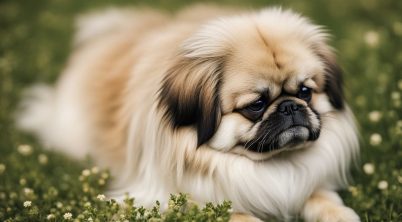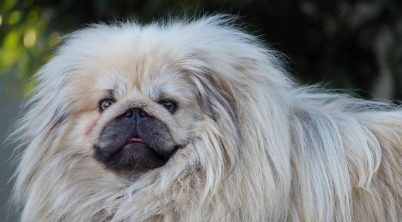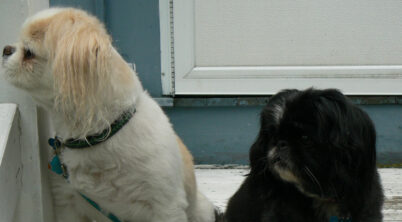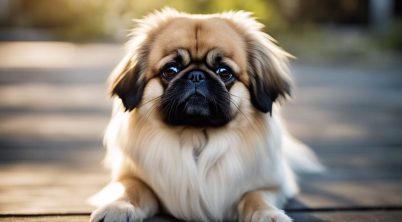
The Pekingese, often called the Lion Dog due to its distinctive mane-like coat and bold demeanor, has captivated dog lovers for centuries with its regal appearance and loyal companionship. For those drawn to the Pekingese’s unique combination of dignified bearing, compact size, and affectionate personality, several other dog breeds share similar characteristics, including the Shih Tzu, Lhasa Apso, Japanese Chin, and Tibetan Spaniel. These breeds offer comparable traits in terms of physical features, temperament, or historical background as royal companions.
Understanding what makes the Pekingese dog breed special helps clarify why certain purebreds resemble this ancient Chinese breed. The Pekingese possesses a flat face, luxurious double coat, and independent yet devoted nature that sets it apart. Other breeds with similar origins or physical attributes may appeal to those who appreciate these qualities but want to explore different options.
This guide examines purebred alternatives that mirror the Pekingese’s characteristics, explores popular Pekingese mixes that blend the breed’s best traits with other dogs, and provides practical considerations for choosing the right companion. Whether seeking a dog with comparable grooming needs, temperament, or historical significance, potential owners will find valuable information about breeds that share the Pekingese dog’s distinguished qualities.
Table of Contents
What Makes Pekingese Unique?
The Pekingese stands apart from other toy dog breeds through its ancient royal heritage, distinctive lion-like appearance, and dignified personality that reflects centuries of breeding as companions to Chinese emperors.
Physical Characteristics and Appearance
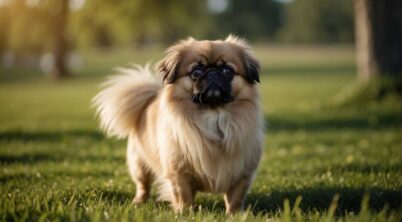
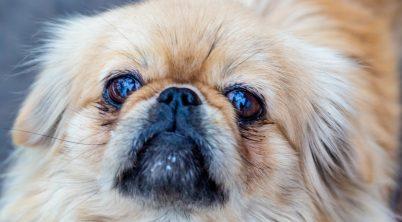
The Pekingese dog breed possesses a immediately recognizable appearance that distinguishes it from other toy dog breeds. The breed features a flat, broad face with large, expressive eyes that create a lion-like expression, earning it the nickname “Lion Dog” in its native China.
Key Physical Features:
- Weight: Up to 14 pounds
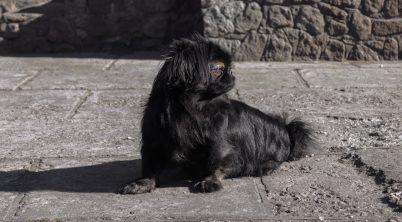
- Coat: Luxurious double coat in various colors and patterns
- Body Structure: Compact, stocky frame as long as it is tall
- Gait: Distinctive slow, rolling movement
The regal appearance extends to the breed’s signature mane of fur that frames the face like a lion’s. The high-set tail arches gracefully over the back, often decorated with a plume of flowing fur. The brachycephalic facial structure creates the flat face that defines the breed’s profile and expression.
Temperament and Personality
The Pekingese combines loyalty and affection with an independent, dignified demeanor uncommon among toy dog breeds. This breed forms strong bonds with family members, often showing preference for one particular person.
Despite compact size, the Pekingese displays remarkable boldness and confidence. The breed approaches life with what many describe as a “big dog” attitude, demonstrating courage and self-assurance that belies its small stature. This independent streak can make training challenging, requiring patience and positive reinforcement methods.
The Pekingese exhibits alertness toward strangers, making it an effective watchdog. This wariness stems from the breed’s protective nature rather than aggression. The breed prefers calm observation of its surroundings over constant activity, maintaining a composed and poised presence.
Role as Family Pets
The Pekingese adapts well to various living situations as family pets, thriving in apartments and homes alike. The breed requires minimal exercise due to its brachycephalic features and heat sensitivity, making it suitable for less active households.
Family integration works best when the Pekingese receives consistent attention and respect for its dignified nature. The breed does not seek constant play or activity like many toy dog breeds, instead preferring quality time with chosen family members. Regular grooming sessions become important bonding opportunities while maintaining the coat’s condition.
The Pekingese lives 12 to 14 years with proper care. Health considerations include breathing difficulties related to the flat face and eye care due to prominent features. Early socialization helps the breed develop comfort with new people and environments while maintaining its characteristic composure.
Purebred Dog Breeds Similar to Pekingese
Several toy dog breeds share the Pekingese’s compact size, luxurious coat, and companion dog heritage. These breeds similar to Pekingese typically originated in Asian royal courts and were bred specifically for companionship rather than working purposes.
Shih Tzu: Chinese Royalty Companion
The Shih Tzu shares the most similarities with the Pekingese among dog breeds similar to Pekingese. Both breeds originated in Chinese imperial palaces and were treasured by royalty for centuries. The Shih Tzu stands 9 to 10.5 inches tall and weighs 9 to 16 pounds, making it slightly larger than the Pekingese.
This breed features a long, flowing double coat that requires daily brushing and regular grooming maintenance. The flat face and short muzzle create similar breathing considerations as the Pekingese.
Key similarities include:
- Brachycephalic (flat-faced) structure
- Long, luxurious coat requiring extensive grooming
- Affectionate, companion-oriented temperament
- Low exercise requirements
- Chinese imperial heritage
The Shih Tzu typically displays a more outgoing personality than the Pekingese. While both breeds are affectionate with family members, the Shih Tzu tends to be friendlier with strangers and other dogs.
Japanese Chin: Aristocratic Lapdog
The Japanese Chin represents another toy dog breed that shares the Pekingese’s aristocratic background. This breed served as a companion to Japanese nobility and shares the characteristic flat face and large, expressive eyes. Standing 8 to 11 inches tall, the Japanese Chin maintains a similar size profile to the Pekingese.
The breed’s silky coat requires regular grooming but is less demanding than the Pekingese’s dense double coat. Japanese Chins are known for their cat-like behavior, including climbing to high perches and fastidious grooming habits.
The temperament differs slightly, as Japanese Chins tend to be more playful and alert. Both breeds excel as indoor companions and adapt well to apartment living. Their similar heat sensitivity and breathing concerns stem from shared brachycephalic features.
Lhasa Apso: Tibetan Guardian
The Lhasa Apso originated in Tibet as a monastery sentinel dog, bringing a distinct guardian heritage to the toy dog breeds category. This breed stands 10 to 11 inches tall and weighs 12 to 18 pounds. The floor-length coat requires dedicated grooming commitment similar to the Pekingese.
Unlike the Pekingese’s flat face, the Lhasa Apso possesses a longer muzzle with fewer breathing restrictions. This structural difference allows better heat tolerance and respiratory function. The breed displays a more independent and assertive personality, reflecting its guardian dog origins.
Distinctive characteristics:
- Strong watchdog instincts
- Independent temperament
- Longer lifespan of 12 to 15 years
- More athletic build despite long coat
- Wary of strangers
Both breeds share loyalty to their families and low exercise needs. The Lhasa Apso’s coat texture is straighter and harder than the Pekingese’s softer fur.
Brussels Griffon: Animated and Affectionate
The Brussels Griffon offers a different aesthetic while maintaining similar toy breed characteristics. This Belgian breed weighs 8 to 10 pounds and stands 7 to 10 inches tall. Two coat varieties exist: rough and smooth, with the rough coat resembling a wiry terrier texture.
The breed’s expressive face and large eyes create an endearing appearance comparable to the Pekingese’s distinctive look. Brussels Griffons display higher energy levels and require more mental stimulation than the typically calm Pekingese. Their social nature makes them more demanding of human attention and interaction.
Both breeds struggle with heat due to their facial structure, though the Brussels Griffon’s less extreme brachycephalic features provide some advantage. These toy dog breeds share sensitivity to anesthesia and dental care requirements common among small, flat-faced breeds.
Other Notable Comparable Breeds
Several breeds share the Pekingese’s companionable nature and small stature while bringing their own distinct characteristics. These breeds offer alternatives for those drawn to toy dogs with rich histories and devoted personalities.
Cavalier King Charles Spaniel: Lovable Companion
The Cavalier King Charles Spaniel stands out for its gentle temperament and adaptability as a companion dog. This breed weighs between 13 to 18 pounds, making it slightly larger than the typical Pekingese.
Cavaliers possess soft, expressive eyes and a silky coat that requires regular grooming, though less intensive than the Pekingese’s double coat. Their coat comes in four color patterns: Blenheim, tricolor, black and tan, and ruby.
Unlike the independent Pekingese, Cavaliers are eager to please and respond well to training. They thrive on human interaction and adapt easily to various living situations. Their friendly disposition extends to strangers, children, and other pets, making them ideal family companions.
These dogs need moderate exercise with daily walks and play sessions. They’re more active than Pekingese but equally enjoy relaxing on their owner’s lap. Their affectionate nature and willingness to bond with multiple family members distinguishes them from the often one-person Pekingese.
Tibetan Spaniel: Watchful and Alert
Tibetan Spaniels share ancestral ties with the Pekingese, having served as companions in Tibetan monasteries. They weigh 9 to 15 pounds and feature a similar “lion dog” appearance with a slightly longer muzzle.
These dogs were bred as watchdogs for monks, giving them a naturally alert and observant nature. They enjoy perching on high vantage points to survey their surroundings, a trait inherited from their monastery days. This behavior reflects their intelligent and independent personality.
Tibetan Spaniels have a double coat that requires regular brushing but is less demanding than the Pekingese’s grooming needs. They’re more active and social than Pekingese, though they maintain the same dignified bearing.
Their assertive yet cheerful personality makes them confident companions. They bond closely with their families while maintaining a reserved demeanor with strangers, serving as effective alert dogs without excessive barking.
Pomeranian: Spirited and Lively
Pomeranians bring a vivacious energy that contrasts with the Pekingese’s calm demeanor. These dogs weigh 3 to 7 pounds and feature a thick double coat that forms a distinctive ruff around their neck and chest.
Their lively and outgoing personality makes them natural attention-seekers. Pomeranians are intelligent and trainable, responding well to positive reinforcement methods. They’re more vocal than Pekingese and enjoy being the center of family activities.
The breed requires regular grooming to maintain their fluffy coat, similar to Pekingese maintenance needs. They come in numerous color variations, offering more variety than many toy breeds.
Pomeranians need daily exercise and mental stimulation to prevent boredom-related behaviors. Their confident, sometimes bossy nature reflects a “big dog” attitude in a tiny package. While they share the Pekingese’s loyalty, they’re typically more sociable with strangers and other pets.
Maltese: Elegant Lapdog
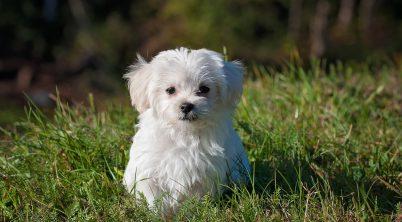
The Maltese is recognized by its pure white, silky coat that flows to the ground. These dogs weigh 4 to 7 pounds, making them one of the smallest companion breeds.
Their gentle and affectionate nature makes them devoted companions who thrive on human interaction. Maltese are more adaptable to strangers than Pekingese, displaying a friendly attitude toward new people. They’re lively and playful, enjoying regular play sessions throughout the day.
The breed’s coat requires daily brushing and regular professional grooming to prevent matting. Many owners keep their Maltese in a shorter “puppy cut” for easier maintenance. Despite their delicate appearance, they possess a spirited personality and surprising boldness.
Maltese dogs are responsive to training and enjoy learning tricks. They’re less stubborn than Pekingese, making them easier for first-time dog owners. Their devoted nature and love for comfort make them excellent lap dogs who bond closely with their families.
Popular Pekingese Mixes & Designer Breeds
Pekingese mixes combine the breed’s regal characteristics with traits from other small dog breeds, creating designer dogs with unique appearances and temperaments. These hybrids vary in size, coat type, and personality depending on their other parent breed.
Peekapoo: Pekingese and Poodle Cross
The Peekapoo blends the Pekingese with a Poodle, creating an intelligent and athletic hybrid. This mix varies considerably in appearance, though many inherit a fluffy coat that may or may not resemble the Poodle’s signature curls. The coat texture ranges from wavy to straight and doesn’t always have the non-shedding properties typical of purebred Poodles.
Size varies significantly based on which Poodle variety is used in breeding. Toy Poodle crosses produce smaller dogs, while Miniature Poodle mixes result in slightly larger companions.
Peekapoos require moderate exercise and substantial grooming commitment. Their loyal nature makes them devoted companions, but prospective owners should prepare for regular brushing sessions. These dogs are far from low-maintenance and need consistent care to keep their coats healthy and tangle-free.
Peagle: Pekingese and Beagle Blend
The Peagle combines the Pekingese with a Beagle, resulting in a more laid-back companion than either parent breed alone. These dogs inherit the Beagle’s strong sense of smell, which can lead to wandering behaviors. Owners must keep Peagles on leashes or within secured areas, as their nose often overrides their recall training.
Grooming and exercise requirements are typically lower compared to other Pekingese mixes. However, Peagles need substantial mental stimulation to prevent boredom and destructive behaviors. Their tracking instincts require outlets through puzzle toys, scent games, or structured activities.
Training consistency is important with this mix. The independent nature from both parent breeds can make obedience challenging, requiring patient and persistent training methods.
Bostinese: Boston Terrier Mix
The Bostinese crosses the Pekingese with a Boston Terrier, producing a livelier companion than typical Pekingese. These dogs display more playful energy and less of the traditional lapdog demeanor. Their temperament depends heavily on upbringing and socialization rather than genetics alone.
The Bostinese makes a loving companion that enjoys cuddling but also values independence. Training can be challenging due to their independent thinking, making consistency essential for teaching proper behavior. They respond better to positive reinforcement than harsh corrections.
Maintenance requirements:
- Exercise needs: Low to moderate
- Grooming: Varies from minimal to moderate
- Training difficulty: Moderate to high
Peke-a-Chon: Bichon Frise Hybrid
The Peka-a-Chon mixes the Pekingese with a Bichon Frise, creating a fluffy and cuddly designer breed. This combination produces less variation than many other Pekingese mixes because both parent breeds share similar characteristics. The dogs typically display friendly, cheerful dispositions.
Stubbornness appears frequently in this mix, making training more difficult. Many Peka-a-Chons resist formal obedience work, though they generally behave well indoors without extensive training. Their natural temperament leans toward good manners in home settings.
Grooming remains relatively manageable when owners keep the coat clipped short. Regular brushing prevents matting, but a shorter trim significantly reduces maintenance time. This approach makes the Peka-a-Chon more practical for owners seeking a lower-maintenance grooming routine.
Additional Pekingese-Inspired Mixes
Pekingese breeding programs have expanded beyond traditional combinations to include diverse mixed breeds that blend the Pekingese’s regal characteristics with distinctive traits from other popular small dog breeds. These newer hybrids often inherit the Pekingese’s luxurious coat and bold personality while incorporating physical and behavioral traits from their other parent breed.
Yorkinese: Yorkshire Terrier Blend
The Yorkinese combines the Pekingese with the Yorkshire Terrier, creating a small companion dog that typically weighs between 5 to 12 pounds. This mix often features a silky, flowing coat that can range from the Yorkshire Terrier’s blue and tan coloring to the varied hues found in Pekingese. The texture usually falls somewhere between the Yorkie’s straight, fine hair and the Pekingese’s thicker double coat.
Yorkinese dogs inherit the bold, confident personality traits from both parent breeds. They tend to be alert watchdogs despite their small size and often display the Yorkshire Terrier’s spirited nature combined with the Pekingese’s independent streak. This mix requires regular grooming to prevent matting and tangles.
The Yorkinese adapts well to apartment living and forms strong bonds with their owners. They can be somewhat reserved with strangers and may inherit the Yorkshire Terrier’s tendency to bark at unfamiliar sounds or people.
Cheeks: Chihuahua Cross
The Cheeks, a Pekingese-Chihuahua mix, produces one of the smallest Pekingese hybrids, typically weighing 4 to 10 pounds. This combination results in a dog with a compact frame and often features the Chihuahua’s apple-shaped head blended with the Pekingese’s flat face. The coat can vary from short to medium length depending on which parent breed dominates.
Common Cheeks Characteristics:
- Size: 4-10 pounds, 6-10 inches tall
- Coat: Short to medium length, various colors
- Temperament: Loyal, alert, sometimes stubborn
- Energy Level: Moderate, suitable for indoor living
This mix inherits strong loyalty to their family members and can be protective despite their diminutive size. Cheeks dogs often display the Chihuahua’s alertness combined with the Pekingese’s dignified demeanor. They require minimal exercise but need proper socialization to prevent excessive wariness of strangers.
Peke-a-Tese: Maltese Combination
The Peke-a-Tese blends the Pekingese with the Maltese, creating a small white or cream-colored companion dog that typically weighs 6 to 14 pounds. This mix often features the Maltese’s pure white coat combined with the Pekingese’s sturdy build and flat facial features. The coat is usually long and silky, requiring daily brushing and regular professional grooming.
Peke-a-Tese dogs are known for their affectionate and gentle nature. They combine the Maltese’s friendly disposition with the Pekingese’s loyalty, resulting in a devoted companion that thrives on human interaction. This mix tends to be less independent than purebred Pekingese and often more sociable with strangers than their Pekingese parent.
The breed adapts well to various living situations and generally gets along with other pets when properly socialized. They may be prone to separation anxiety due to the strong attachment bonds they form with their owners.
Other Noteworthy Mixes
Several additional Pekingese mixes have gained popularity among small dog enthusiasts. The Peke-a-Pin (Miniature Pinscher cross) creates an energetic, alert companion with a sleeker coat than most Pekingese mixes. The Pominese combines the Pekingese with the Pomeranian, resulting in a fluffy, fox-faced dog with an outgoing personality and a thick double coat.
The Puginese (Pug-Pekingese mix) intensifies the flat-faced characteristics of both breeds, creating an extremely brachycephalic dog that requires careful monitoring for breathing issues. The Peke-a-Chow blends Pekingese with Chow Chow traits, producing a medium-sized dog with a distinctive blue-black tongue and dense coat. The French Bullnese combines French Bulldog and Pekingese traits, resulting in a muscular, compact dog with prominent bat ears and a friendly disposition.
The Peke-a-Pom represents another Pomeranian-Pekingese combination that emphasizes the smaller size range and fluffy coat characteristics. These various pekingese mixes each offer unique combinations of physical traits and temperaments while maintaining the companion dog qualities that make the Pekingese breed so appealing.
Choosing Among Breeds Similar to Pekingese
Selecting from breeds similar to Pekingese requires careful evaluation of lifestyle needs, family dynamics, and maintenance capabilities. Each breed offers distinct characteristics that may align differently with individual circumstances and preferences.
Key Factors for Potential Owners
Size and temperament stand as primary considerations when choosing among toy dog breeds resembling the Pekingese. Breeds like Shih Tzus and Japanese Chins typically weigh between 7-16 pounds, similar to the Pekingese’s 7-14 pound range. Their compact size makes them suitable for apartment living and limited spaces.
Temperament varies significantly across similar breeds. Pekingese display independent, sometimes stubborn personalities with a dignified bearing. Shih Tzus tend toward more outgoing, sociable behavior, while Lhasa Apsos exhibit protective instincts and reserved natures around strangers. Japanese Chins often show cat-like independence and climbing behaviors.
Health considerations differ by breed. Flat-faced breeds including Pekingese, Shih Tzus, and Japanese Chins face brachycephalic-related breathing difficulties and heat sensitivity. Breeds with longer snouts like Tibetan Spaniels generally encounter fewer respiratory issues. Prospective owners should research breed-specific health problems and associated veterinary costs before committing.
Compatibility with Families and Lifestyles
Activity levels greatly influence breed suitability for different households. Pekingese prefer calm environments with moderate exercise needs, typically requiring short walks rather than vigorous play sessions. Cavalier King Charles Spaniels demonstrate higher energy levels and seek more active engagement with family members.
Compatibility with Children:
- Pekingese: Best suited for families with older, respectful children due to their small size and independent nature
- Cavalier King Charles Spaniels: More tolerant of younger children and active play
- Maltese: Fragile build requires careful handling but generally friendly with gentle children
- Brussels Griffons: Strong-willed but affectionate, requiring supervision with young children
Single-person households often suit Pekingese well, as they frequently bond closely with one primary caregiver. Shih Tzus and Cavaliers adapt more readily to multi-person families, enjoying attention from various household members. Lhasa Apsos and Tibetan Spaniels make excellent watchdogs for those seeking alertness alongside companionship.
Maintenance and Grooming Considerations
Coat care demands vary substantially among Pekingese-like breeds. The luxurious double coat of a Pekingese requires daily brushing to prevent matting, with professional grooming recommended every 6-8 weeks. Shih Tzus need similar intensive grooming, while breeds like Toy Poodles require regular clipping every 4-6 weeks to maintain their curly, hypoallergenic coats.
Daily maintenance tasks include facial fold cleaning for flat-faced breeds to prevent skin infections and eye irritation. Pekingese, Japanese Chins, and Shih Tzus all need regular attention to their prominent eyes, which are susceptible to injury and dryness.
Time commitment for grooming represents a significant factor:
| Breed | Brushing Frequency | Professional Grooming | Special Care Needs |
|---|---|---|---|
| Pekingese | Daily | Every 6-8 weeks | Facial folds, eyes |
| Shih Tzu | Daily | Every 6-8 weeks | Eyes, tear stains |
| Maltese | Daily | Every 4-6 weeks | Tear stains |
| Toy Poodle | 3-4 times weekly | Every 4-6 weeks | Ear cleaning |
| Affenpinscher | 2-3 times weekly | Every 8-10 weeks | Minimal |
Owners with limited grooming time may find Brussels Griffons or Affenpinschers more manageable, as their wiry coats require less frequent attention than the flowing coats of Pekingese and similar breeds.