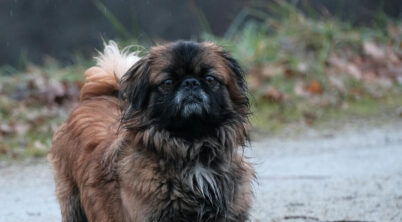
Walking a Pekingese dog can be different from walking other breeds because of their unique personality and body shape. They are small and sturdy, but not built for intense or long exercise. Daily walks are important for Pekingese dogs to keep them physically healthy and mentally active.
Walking helps prevent boredom and gives much-needed low-impact exercise, especially for older dogs or those with joint problems. Positive reinforcement, like treats and praise, helps encourage good walking behavior. Owners should also use a leash to keep their Pekingese safe during walks.
Taking care of a Pekingese’s walking needs also helps manage their weight, which can lower the risk of certain health issues. Regular walks can make each day healthier and happier for both the dog and their owner.
Table of Contents
Understanding the Pekingese Dog
The Pekingese is a toy breed known for its compact stature, bold spirit, and ancient heritage. These small dogs make loyal companion dogs but need careful care due to their unique appearance and health concerns.
Breed History and Characteristics
The Pekingese traces its roots back to ancient China, where it was cherished by royalty and called the “lion dog.” This breed was bred to be a companion dog, staying close to their owners and often sitting on the laps of emperors and empresses.
The Pekingese is prized for its loyalty and courage. Although small, it shows a strong watchdog instinct and is quick to alert its family if it senses a stranger. Over centuries, selective breeding shaped their personality into a mix of dignity, confidence, and devotion.
Pekingese dogs are independent, sometimes stubborn, so patience is needed when training them. They form close bonds with their families and may be wary of unfamiliar people or animals. Their history as palace dogs explains their sensible, calm nature in the home.
Appearance and Temperament
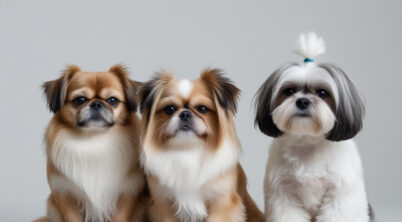
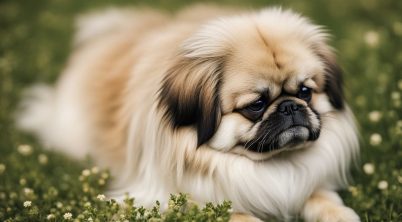
Pekingese stand out for their unique appearance. They have a flat face, large dark eyes, and a broad nose. Their coat is long, flowing, and often requires daily care to stay clean and untangled. Many owners keep their dogs groomed in a “puppy cut” for easier maintenance.
This toy breed is sturdy for its size, weighing between 7 to 14 pounds. Despite their small form, Pekingese carry themselves with pride and confidence. Their build is compact and low to the ground, giving them a lion-like outline that matches their ancient nickname.
Their temperament is steady and affectionate. Pekingese are gentle with calm children but don’t usually enjoy rough play. They can be protective of their family and make good watchdogs. When well-socialized, they adapt to many living situations, from apartments to houses.
Brachycephalic Traits and Breathing Problems
The Pekingese is classified as a brachycephalic breed, meaning it has a short, broad skull and snub nose. This shape gives them their signature look but also leads to health risks, especially breathing problems.
These dogs may snore, wheeze, or have noisy breathing due to their narrow airways. They can experience shortness of breath, especially while exercising or when temperatures are high. Overheating is a concern, so they should only exercise in cool, shaded places and for short periods.
Owners should watch for signs of breathing trouble, such as rapid breathing or fatigue. It’s also important to avoid heavy collars or anything that can press against their neck. Routine vet check-ups can help catch breathing issues early and keep the Pekingese healthy and comfortable.
Exercise Needs and Health Considerations
Pekingese dogs have unique exercise needs because of their size, body shape, and health risks. Owners should pay close attention to their physical limits, breathing, and weight to help keep them healthy.
Physical Activity for Pekingese
Pekingese need regular, moderate physical activity. They usually do best with two short walks each day, about 15 to 20 minutes per walk. This adds up to around 30 to 40 minutes daily, which suits their lower energy level.
Playing indoors can be another good form of exercise. Games like fetch, tug-of-war, or hide-and-seek help keep them active. Unlike some breeds, Pekingese do not require intense or long exercise sessions.
Keeping a routine helps the dog prepare and enjoy activity time. Over-exercising should be avoided since these dogs may tire faster than others.
Recommended Activities:
- Two short walks daily
- Indoor play (fetch, tug-of-war)
- Light socialization with other dogs
Managing Overheating and Respiratory Issues
Pekingese dogs have flat faces (brachycephalic), which makes them prone to breathing problems. Overheating is a big risk, especially in hot or humid weather. Always walk them during cooler times of the day, such as early morning or late evening.
Signs of overheating include:
- Heavy panting
- Drooling
- Lethargy
- Trouble breathing
Bring water along and let the dog rest if needed. Never force them to keep walking if they start lagging behind or seem tired. If the weather is too hot or cold, opt for indoor play instead.
These dogs should not be pushed to run or perform vigorous exercise. Using a harness instead of a collar can help reduce pressure on the airway and make walks safer.
Preventing Obesity and Health Problems
Pekingese are at risk for obesity due to their small size and modest exercise needs. Weight gain can lead to joint pain, diabetes, and heart problems. Keeping track of both diet and exercise is important.
Tips to prevent obesity:
- Feed measured meals, not free feeding
- Limit treats and use low-calorie options
- Keep a regular feeding and exercise schedule
Regular vet check-ups help catch early signs of health issues. Monitoring their body condition score can help owners adjust food and activity levels as needed. Staying on top of weight and activity can help a Pekingese live a longer, healthier life.
Best Practices for Walking a Pekingese
A Pekingese’s unique body shape and gentle nature mean that walking them needs special care. Attention to proper gear, safe walking environments, and early signs of tiredness protects their health and enjoyment during every outing.
Choosing the Right Leash and Gear
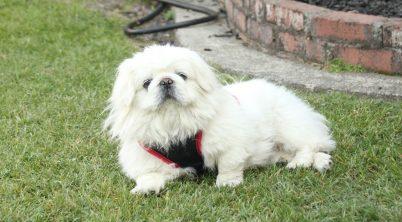
Pekingese have a compact build and a signature rolling gait. Their necks are short, and their bodies are low to the ground. Using a harness instead of a collar is strongly recommended to prevent strain on the neck and windpipe.
A no-pull harness—such as those with padded straps and a secure chest clip—gives better control during leashed walks. A leash between 4 and 6 feet is ideal. Retractable leashes are not advised since they can make control difficult if the dog suddenly bolts or meets another dog.
Check the fit regularly. Harnesses should be snug but not too tight, with space for two fingers under the strap. Always pair the harness with an ID tag and consider a lightweight leash so your Pekingese can move easily.
Planning Safe Walking Routes
Pekingese generally prefer short walks rather than long walks, due to their flat faces (brachycephalic) that make breathing harder during intense physical activity.
Choose quiet routes without heavy foot or car traffic. Avoid steep hills or rough terrain since the Pekingese’s legs are short and their bodies are close to the ground. Keep walks on the flat and shady side when it’s hot, and watch for sidewalks that can burn their sensitive paws. If possible, vary routes for mental enrichment.
Visits to a dog park can offer a chance for safe socialization, but always stay near your pet and avoid busy times to reduce stress and risk of injury.
Recognizing Signs of Fatigue
Pekingese may tire easily from walking, especially in warm or humid weather. Because of their small noses, they may overheat quickly and struggle to cool down.
Watch for excessive panting, lagging behind, or stopping often. They might also lay down unexpectedly, look sluggish, or lose interest in their surroundings. Their rolling gait might become more uneven or slowed.
If any sign of fatigue appears, stop the activity and let your Pekingese rest in the shade with fresh water. Never force longer walks. Let their pace and comfort guide the length and speed of each outing to avoid exhaustion or injury.
Enhancing Mental Stimulation and Socialization
Pekingese dogs need more than physical exercise. Giving them mental stimulation and opportunities to socialize helps keep them happy, well-behaved, and reduces the risk of problems like separation anxiety.
Engaging Play Sessions
Short, engaging play sessions provide both physical exercise and mental enrichment. Playing fetch in a safe, enclosed space allows Pekingese dogs to use their natural instincts and burn energy.
Games like hide and seek can be played indoors or outdoors. This game encourages a dog to problem-solve and follow scents, making the activity both fun and mentally challenging.
Regular play sessions, even if brief, help prevent boredom and reduce the chance of destructive behavior. Setting aside time daily for interactive games also strengthens the bond between the dog and its owner.
Interactive Toys and Activities
Interactive toys add an extra layer of mental stimulation. Food puzzles and treat-dispensing toys force the Pekingese to think and use their paws or nose to get a reward. These toys can occupy them for extended periods and keep their minds active.
Simple games like find the treat can be set up at home with cups or boxes. Rotate different toys to maintain interest and challenge the dog with various types of puzzles.
Including short obedience training sessions with commands like “sit,” “stay,” or “fetch” also offers mental exercise and reinforces discipline during playtime.
Socializing with Other Dogs
Regular socialization is critical for improving a Pekingese’s confidence and behavior. Visits to a dog park, when the environment is calm and safe, can help a Pekingese learn how to interact with other dogs. Owners should supervise interactions, especially since Pekingese can be reserved around unfamiliar animals.
Structured training and socialization classes offer a controlled way for dogs to meet others and practice good manners. Early socialization helps prevent behavioral problems and makes walks more enjoyable and less stressful for both the dog and owner.
For dogs prone to separation anxiety, positive interactions with other dogs can provide comfort and make them feel more secure.
Training, Nutrition, and Grooming for Walks
Pekingese need consistent training, a balanced diet, and regular grooming to make walks easy and enjoyable. Their small size and special needs mean owners should pay close attention to these important care routines.
Positive Reinforcement and Training Tips
Pekingese do best with training that is fair and clear. They respond well to positive reinforcement methods like giving treats, gentle praise, and petting. Training sessions should be short—about 5 to 10 minutes—to keep their attention. Simple commands such as sit, stay, and come will make walks safer and calmer.
Socialization is important from a young age. Letting the dog meet new people, other dogs, and different noises or places helps prevent fear or stubbornness on walks. Puppy socialization classes or regular walks in different settings work well for this breed.
Use a harness instead of a collar when walking a Pekingese. Their short noses can make breathing harder, and a harness lessens pressure around the neck. Owners should reward calm walking with treats or verbal praise. If a behavior problem comes up, it is better to redirect with a new command instead of punishment.
Diet and Nutrition for Active Pekingese
Proper nutrition helps keep a Pekingese healthy and full of energy for walks. A high-quality commercial dog food, approved by a veterinarian, is often the best. Owners should follow the feeding guidelines based on the dog’s age, weight, and activity level.
Meals should be split into two smaller servings per day. This helps with digestion and prevents overeating. Fresh water must always be available, especially before and after walks. If the dog is getting extra training treats, owners need to adjust meal size to avoid weight gain.
Some Pekingese may need special diets if they have allergies or medical issues. Good breeders and veterinarians are helpful sources of advice when choosing and adjusting food. Watch for sudden weight gain or loss, as extra pounds can make exercise and walks much harder.
Grooming Needs and Shedding Control
Pekingese have a thick double coat that needs regular grooming. Daily brushing helps remove loose hair and prevents tangles or mats, especially around the ears and legs. Their heavy shedding can be managed with the right brushes, such as slicker or pin brushes.
Bathing should only be done every few weeks or when the dog is dirty after a walk. Use mild dog shampoo to keep the coat clean but avoid skin irritation. Owners should also check and clean the eyes and face folds, as these areas collect dirt and moisture.
Nail trimming is important for comfort during walks. Short nails make it easier for the dog to move without pain. Owners can ask a groomer or veterinarian to help if they are unsure. Regular grooming helps spot any skin issues early and keeps the Pekingese comfortable and ready for each walk.