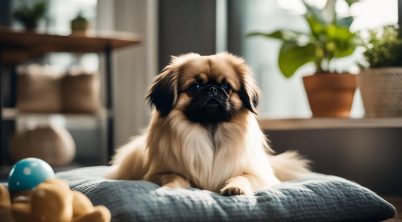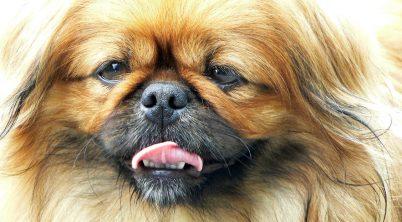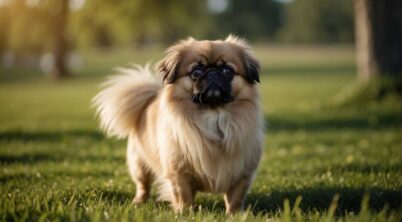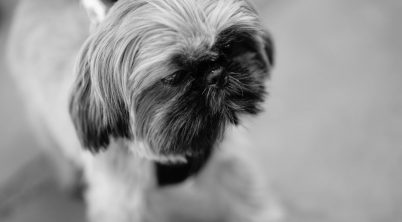
Pekingese dogs have a long, double coat that sheds a moderate to heavy amount all year round. Their thick fur is part of what makes them so unique and beautiful, but it also means owners should expect regular shedding and upkeep. Shedding can be even more noticeable during warmer months as their bodies adjust to the change in temperature.
Many people are drawn to Pekingese because of their royal history and loving nature, but caring for their coats takes dedication. Grooming isn’t just for looks—it actually helps manage shedding and keeps the dog comfortable. Anyone considering a Pekingese should know what to expect so they can keep both the dog and their home clean and happy.
Table of Contents
Understanding If Pekingese Dogs Shed
Pekingese dogs have thick double coats that often drop hair year-round. Shedding amounts vary by individual dog and can be affected by health, grooming habits, and the time of year.
Pekingese Shedding Characteristics
Pekingese have a long, straight outer coat and a soft, dense undercoat. Both layers combine to give these dogs their iconic fluffy look. Shedding occurs throughout the year, but there can be seasonal increases, especially in spring and fall.
Pekingese are considered moderate to heavy shedders. This means owners should expect to see loose hair on furniture, clothes, and bedding. Brushing the dog several times a week is important to remove dead hair and keep their coat healthy. Dogs not brushed regularly may develop mats and tangles.
Routine grooming does not stop shedding but keeps it under control. Regular baths help remove loose fur. Keeping the dog hydrated and feeding a healthy diet also supports coat health and may reduce excess shedding.
Comparing Shedding Levels With Other Breeds
Compared to many other small breeds, the Pekingese sheds more hair. For example, toy poodles and bichon frises shed very little, while pugs and Chihuahuas tend to shed less than Pekingese.
Here is a simple table to show differences:
| Breed | Shedding Level |
|---|---|
| Pekingese | Moderate to heavy |
| Pug | Light to moderate |
| Shih Tzu | Light to moderate |
| Bichon Frise | Minimal |
| Poodle (Toy) | Minimal |
People who are sensitive to dog hair or allergy sufferers may find the Pekingese challenging. The thick undercoat is the main reason for the higher amount of loose hair.
Why Shedding Happens in Pekingese
Pekingese shedding is caused by several factors. These include the natural growth cycle of hair, seasonal temperature changes, and the breed’s thick double coat. Shedding is heaviest when dogs are losing their undercoat after winter or summer.
Other causes include poor nutrition, skin conditions, allergies, hormonal imbalances, or stress. Dogs that are not brushed enough may seem to shed more, as dead hair gathers before finally falling out.
Daily or frequent brushing, good nutrition, and regular health check-ups can help manage shedding and keep Pekingese coats healthy.
The Pekingese Double Coat Explained
The Pekingese dog has a unique coat made up of two distinct layers. This coat affects how much they shed and how much care they require.
Structure of the Undercoat and Outer Coat
The Pekingese double coat consists of a thick, soft undercoat and a long, straight outer coat. The undercoat is dense and plush, holding in warmth and making the dog comfortable in cooler weather. This soft undercoat can get matted if not brushed regularly.
The outer coat is longer and coarser. It creates the fluffy, lion-like look that makes the Pekingese stand out. This top layer helps protect the undercoat from dirt and moisture.
Key features:
| Layer | Texture | Purpose | Care Needed |
|---|---|---|---|
| Undercoat | Soft, thick | Warmth, insulation | Regular brushing |
| Outer coat | Long, coarse | Protection, style | Regular brushing |
Daily or weekly grooming is important to stop tangles and remove loose fur from both layers. Owners should pay special attention around the neck, ears, and legs.
Seasonal and Year-Round Shedding Patterns
Pekingese dogs shed throughout the year but may lose the most fur in the spring and fall. During these seasons, the undercoat becomes thinner and dogs may leave noticeable tufts of fur behind. This process is called “blowing coat” and happens twice a year.
At other times, lighter shedding still takes place. Owners may find fur on furniture, clothing, and floors. Regular brushing can control shedding and keep the coat healthy.
Shedding can be heavier if the dog is stressed or sick, or if grooming habits change. Bathing and brushing more often during these times reduces loose hair. Routine coat care helps manage shedding and keeps the Pekingese comfortable.
Factors Influencing Pekingese Shedding
Pekingese dogs shed due to a number of specific influences. Shedding levels depend on genetics, the dog’s health, the food it eats, and outside conditions such as weather and season changes.
Genetics and Breed Traits
Pekingese have a double coat made up of a thick undercoat and a long, straight outer coat. This coat type is inherited and is meant to protect them in different climates.
Shedding is part of the breed’s natural cycle as old hairs fall out and new ones grow. All Pekingese shed to some extent, but some may have more noticeable shedding because of their genetic background. Pedigree lines might show variations in how much a dog sheds, but shedding is almost always moderate to heavy with this breed.
Dogs that have especially dense coats or more prominent undercoats will shed more hair throughout the year. This breed’s long fur also makes loose hair more visible on clothing or furniture, which makes managing shedding important for owners.
Health and Nutrition Impact
The health and diet of a Pekingese affect how much it sheds each day. Dogs in poor health may lose more hair, and certain medical conditions can make shedding worse.
Health issues that can lead to extra shedding include allergies, skin problems, hormonal changes, and parasites like fleas. Poor nutrition is a key problem—if a dog doesn’t get enough nutrients, the coat might thin out and shed more easily. High-quality dog food with enough protein, fats, and vitamins helps maintain healthy hair and reduce shedding.
Owners should be aware that sudden increases in shedding may mean there is an underlying health issue. Regular grooming and proper vet care can help catch and fix problems early.
Environmental and Seasonal Changes
Pekingese often shed more during certain seasons, especially in the spring and fall. As days get longer and temperatures change, the double coat will naturally thin out or thicken.
Shedding can also change if the dog lives in a home with varying humidity or heating and air conditioning. Dry indoor air can cause more hair loss, while a stable environment can help lessen it.
A chart can help show how environment matters:
| Factor | Shedding Impact |
|---|---|
| Spring & Fall | Increased shedding |
| Low humidity | More dryness, more shed |
| Indoor heating/cooling | Can alter coat cycles |
Regular brushing helps remove loose hair and makes seasonal changes easier to handle. Proper care at home keeps the coat in good condition and keeps hair off furniture and clothes.
Grooming Techniques To Manage Shedding
Proper grooming is important for keeping a Pekingese’s double coat clean and healthy. Regular brushing and using the right tools can lower shedding and make coat care easier.
Brushing Frequency and Best Practices
Pekingese dogs have a long, thick double coat that can shed quite a bit, especially during spring and fall. Brushing at least three to four times a week helps manage loose hair and stops tangles from forming.
Daily brushing works best during high-shedding periods. Always brush with gentle, short strokes and focus on areas prone to matting, like behind the ears and under the legs.
It is helpful to set a routine time for brushing. Doing this keeps the coat free of dirt and dead fur. Owners should be patient and avoid pulling too hard to prevent pain or damaging the coat.
Recommended Tools: Slicker Brush and Deshedding Tool
A slicker brush is especially useful for a Pekingese. Its fine, short wires remove tangles, mats, and loose undercoat hair. Start by working through the outer coat, then gently reach the thick undercoat with light pressure.
A deshedding tool can reach deep into the undercoat to grab loose hairs that a regular brush may miss. Use this tool once or twice a week for best results, being careful not to irritate the skin.
| Tool | Purpose | How Often |
|---|---|---|
| Slicker Brush | Removes tangles and loose topcoat | 3-4 times a week |
| Deshedding Tool | Reaches and removes dead undercoat | 1-2 times a week |
These tools keep hair off furniture and help the dog’s coat stay clean and healthy. Always make sure tools are in good condition and cleaned after each use.
Lifestyle and Care Tips for Minimizing Shedding
Keeping Pekingese shedding under control requires regular grooming, proper diet, and sometimes professional help. Shedding is normal for this breed, but these steps help keep their coat healthier and manage loose hair at home.
Bathing and Coat Maintenance
Pekingese dogs have a thick double coat that needs brushing at least 3–4 times per week. Using a slicker brush and an undercoat rake will help remove dead hair and reduce shedding. Brushing should cover the entire body, especially behind the ears and around the legs where tangles and mats can form.
Regular bathing, about once every 3–4 weeks, is also important. A gentle, dog-specific shampoo helps wash out loose fur and prevents skin irritation. Always dry the coat thoroughly after baths to avoid dampness that can cause skin issues.
Try to make brushing and bathing a calm routine to reduce stress, which can also help limit shedding. Trimming around the paws and sanitary areas can make maintenance easier without disrupting the natural coat.
Dietary Considerations for a Healthy Coat
A balanced diet can help reduce shedding in Pekingese dogs. Foods rich in omega-3 fatty acids such as fish oil or flaxseed oil support healthy skin and coat. High-quality protein and vitamin supplements like Vitamin E and biotin may also help.
Fresh water should always be available, as dehydration can lead to dry skin and more hair loss. Avoid feeding dogs table scraps or foods with artificial fillers, as these can contribute to unhealthy coats and extra shedding.
If shedding increases suddenly, consult a veterinarian to check for allergies, parasites, or other health concerns that might be related to diet or nutrition.
Benefits of Professional Grooming
Professional groomers offer services that can benefit Pekingese dogs. They have tools and skills to safely remove dead undercoat and reduce shedding. Groomers can perform a de-shedding treatment or a blowout to take out more loose hair than a typical home brushing.
Groomers are trained to spot skin problems, parasites, or mats that might be missed at home. They can advise on the best products for this breed’s sensitive skin. For busy owners or those with mobility concerns, professional grooming ensures the Pekingese is always clean and cared for.
Scheduling a visit every 4–8 weeks can make a big difference in managing shedding. Owners can also ask groomers for tips and product recommendations suited for their dog’s specific coat type.
Living With a Shedding Pekingese
Pekingese dogs, with their thick double coats, shed regularly and require routine care to keep hair around the home under control. Owners may need to adjust cleaning habits, especially if anyone in the household has allergies. These loyal lap dogs offer companionship and warmth, making them great pets despite their shedding.
Cleaning Strategies for Your Home
A home with a Pekingese will have loose hair, mainly during seasonal changes. Brushing the dog several times a week, or even daily, helps remove extra fur before it ends up on furniture or clothing.
Using a vacuum cleaner with a HEPA filter makes it easier to remove dog hair from carpets and floors. Furniture covers keep couches and chairs cleaner and can be washed often.
Lint rollers or sticky tape are handy for quick cleanups on clothes. Regular washing of pet bedding and throwing blankets helps control dander and hair buildup. Keeping grooming tools like slicker brushes and undercoat rakes close, owners can keep both the peke and the home cleaner.
| Task | Frequency |
|---|---|
| Brushing | Daily/Weekly |
| Vacuuming | 2–3x per week |
| Washing bedding | Weekly |
| Furniture wipe-down | As needed |
Adaptation for Allergy-Prone Owners
Pekingese shed moderate to heavy amounts, which might not be ideal for people sensitive to pet hair. Allergens from dander and fur can build up in the air and on surfaces.
Allergy-prone owners should use air purifiers with HEPA filters to help remove pet dander from indoor air. Keeping the dog out of bedrooms, especially at night, may make sleeping easier for allergic individuals.
Washing hands after petting and not touching the face helps reduce exposure. Regular dog baths, using a dog-friendly shampoo, cut down on loose hair and skin flakes. If allergies are strong, consulting a doctor or allergist for management tips is smart.
Why Pekingese Make Excellent Lap Dogs
Pekingese are naturally calm and prefer to be close to their owners. Their loyalty and small size make them perfect lap dogs, offering both companionship and a sense of comfort. Even though they shed, their affection and gentle nature draw people in.
“Pekes” enjoy sitting quietly for long periods, making them ideal for people who relax at home. The breed’s dignified, calm temperament means they rarely become too excitable. This makes living with the shedding more manageable for many owners.
Petting and grooming a peke while it sits on a lap is also a bonding experience. Their presence helps people feel less lonely and more emotionally supported, outweighing the challenges of frequent shedding.