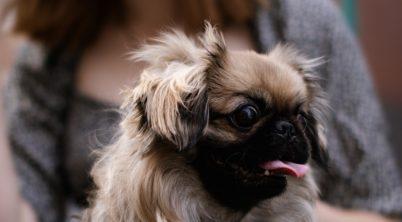
Pekingese dogs are known for their big, beautiful eyes, but their unique facial structure puts them at risk for several eye health issues. Corneal ulcers, or eye ulcers, are one of the most serious problems they can face. These ulcers happen when the surface of the dog’s eye gets damaged, which can lead to pain, vision loss, and even long-term complications if not treated quickly.
Pekingese eye ulcers often develop from scratches, infections, dry eye, or other injuries, making fast recognition and treatment extremely important. Owners should watch for symptoms like redness, tearing, squinting, or a cloudy appearance in the eye. These signs could mean a corneal ulcer has started to form, which requires medical attention to protect the dog’s vision.
Knowing the risks and common causes of eye ulcers in Pekingese dogs helps owners care for their pets and avoid serious problems. Understanding what to look for and how to respond can make a big difference in maintaining a Pekingese’s eye health.
Table of Contents
Understanding Pekingese Eye Ulcers
Pekingese dogs often face unique eye problems due to their facial structure. Corneal ulcers are especially serious, causing pain and possible vision loss if left untreated.
What Are Corneal Ulcers
A corneal ulcer is an open sore on the surface of the eye, specifically on the cornea. The cornea is the clear, outer layer at the front of the eye that helps focus vision.
When the cornea is scratched, scraped, or injured, bacteria or fungi can enter and cause infection. This leads to inflammation, pain, and can sometimes result in discharge or cloudiness.
Corneal ulcers are considered eye emergencies in dogs. They may cause squinting, redness, or excessive tearing. If the ulcer gets deep, the eye may bulge or appear cloudy.
Veterinary care is needed right away to prevent lasting damage or even loss of the eye.
Why Pekingese Are Prone to Eye Ulcers
The Pekingese is a brachycephalic breed, meaning it has a flat face and shallow eye sockets. Their eyes are large and prominent, which makes them more likely to get injured.
Common Pekingese eye problems include dry eye, abnormal eyelid shape, and difficulty keeping the cornea moist. When the surface of the eye dries out, it becomes easier for ulcers to form.
Because the eyelids may not close fully, dirt and debris can more easily reach the eye. Even simple rubbing or bumping the eye can cause small abrasions.
Some eye conditions like pigmentary keratitis or chronic infections can weaken the cornea further, increasing the risk.
Regular checkups and cleaning the area around the eyes can help, but even well-cared-for Pekingese are at higher risk than many other dog breeds.
Types of Eye Ulcers in Pekingese
Not all eye ulcers are the same. In Pekingese, the most common types include:
- Superficial ulcers: These affect only the top layer of the cornea and often heal quickly with proper care.
- Deep ulcers: These go into lower layers and are more dangerous. They can cause severe pain and may threaten the structure of the eyeball.
- Indolent or non-healing ulcers: These are slow to heal or keep coming back, often needing special veterinary treatment.
Other Pekingese eye problems like dry eye and chronic irritation can lead to different ulcer types. Prompt treatment is important for all kinds to protect eyesight.
Regular veterinary exams and eye care routines can help catch problems early before they become severe.
Causes and Predisposing Factors
Pekingese are prone to eye ulcers due to both their physical traits and specific health risks. Their large, exposed eyes and typical breed conditions often make injuries and diseases more likely.
Anatomical Causes in Pekingese
The Pekingese is a brachycephalic dog, meaning it has a flat face and shallow eye sockets. This physical structure causes their eyes to bulge outward, making them more vulnerable.
Eyelid problems are common in this breed. Conditions like entropion (where the eyelids roll inward), trichiasis (eyelashes grow toward the eye), and distichiasis (extra eyelashes) can cause irritation. These issues may scratch the cornea, raising ulcer risk.
Lagophthalmos, which is the inability to fully close the eyelids, can also occur. This means the eye surface may dry out because it does not get proper moisture and protection. Decreased protection increases the chance of injury and infection.
Their shallow eye sockets do not shield their eyes well from debris or direct bumps. This makes even minor injuries or daily activities a risk.
Genetic and Breed Factors
Pekingese have several inherited features linked to corneal ulcers. Their genes often make them more likely to develop conditions that affect the eyes and eyelids.
Cherry eye, or third eyelid prolapse, is one such genetic tendency. It can lead to chronic irritation and increase the chances of infection or ulcer development.
They also have a higher risk for kinked eyelashes and misdirected eyelash growth. These conditions can cause ongoing rubbing on the eye’s surface.
Some Pekingese inherit weak structural support for eyelids, which can result in loose eyelids or poor blink reflex. This further exposes their eyes to the environment and raises the risk for damage and dryness.
Genetic diseases like progressive retinal atrophy may not cause ulcers directly but signal that eye health is a concern in this breed.
Underlying Eye Conditions
Pekingese are at risk for a number of eye diseases that can lead to or worsen corneal ulcers. Common conditions include dry eye (keratoconjunctivitis sicca), keratitis, cataracts, and glaucoma.
Dry eye is when the eye does not produce enough tears. Without enough tears, the cornea becomes dry and damaged, making it easier for ulcers to form.
Keratitis is inflammation of the cornea that can come from infections, irritants, or immune disorders. Chronic keratitis weakens corneal tissue.
Cataracts and glaucoma can also raise corneal ulcer risk. Glaucoma, which is increased pressure in the eye, may stretch or damage the cornea. Cataracts may not directly cause ulcers but are a sign of ongoing eye health problems.
Conjunctivitis, or inflammation of the eye’s outer membrane, can lead to scratching and rubbing, further increasing the risk of corneal injury.
Injuries and Environmental Factors
Physical trauma is a leading cause of eye ulcers in Pekingese. Their prominent eyes are easily scratched by rough surfaces, play with other animals, or even from rubbing their own face.
Debris, dust, and foreign bodies can get trapped in the eye and scratch the cornea. The eye’s exposure makes this much more likely.
Chemical irritants, like shampoos or cleaning products, may also harm the surface of the eye if not rinsed away quickly. Allergies and infections, including bacteria and viruses, add to the risk.
Improper grooming or accidental pokes, such as from sharp objects or twigs, may cause immediate surface damage. Stress or rough handling increases the chances of accidental trauma.
Certain conditions, like luxating patella, do not directly impact eye health but can affect activity levels, making accidents more likely when pets try to compensate for pain or weakness.
Recognizing Symptoms of Eye Ulcers in Pekingese
Pekingese are prone to eye ulcers due to their prominent eyes and shallow sockets. Identifying the signs early can help prevent complications and protect their eyesight.
Common Clinical Signs
A Pekingese with an eye ulcer will often show discomfort and pain. Signs include frequent squinting, rubbing or pawing at the eye, and shaking the head.
Redness of the eye, visible as bloodshot whites or inflamed eyelids, is common. The cornea may look cloudy or appear dull rather than clear.
Owners may see excessive tearing or watery eyes. Discharge can range from clear to yellow or green and may lead to tear staining on the fur below the eye.
Other symptoms are sensitivity to light (photophobia) and frequent blinking. Some dogs avoid bright places or become irritable if their face is touched.
Progression and Severity
If the ulcer is untreated, inflammation usually worsens. The redness may spread, and the affected eye can swell. Vision can become blurred as the cornea gets more cloudy.
Pain often increases. The dog may keep the eye closed most of the time. The risk of complications, such as infection, rises as ulcers get deeper or larger.
Ulcers can lead to secondary infections that may cause a thick, green discharge. In severe cases, the cornea can perforate, which may result in permanent vision loss or more serious damage that cannot be reversed.
Pekingese can be stoic, so changes in behavior, such as hiding or avoiding play, may be a sign the ulcer is becoming more severe.
When to Seek Veterinary Attention
Veterinary attention is needed whenever any of the above symptoms appear. Immediate care is especially important if there is sudden redness, pain, or any sign of vision loss.
Prompt treatment is required if the dog is holding the eye closed, if discharge is thick or colored, or if the eye changes in shape or size. These may indicate an active infection or a risk of the ulcer deepening.
Some table signs that call for a vet visit:
| Symptom | Action Needed |
|---|---|
| Severe pain | Immediate care |
| Sudden vision loss | Emergency visit |
| Green/yellow discharge | Prompt check-up |
| Excessive redness/swelling | See vet soon |
Delays in treatment can cause more complications and reduce the chance of full recovery. Even mild symptoms should not be ignored, as ulcers can worsen quickly in Pekingese.
Diagnosis and Treatment Options
Pekingese dogs are prone to eye ulcers due to their eye shape and exposure. Immediate and proper care is needed to prevent pain, infection, or vision loss.
Veterinary Examination and Diagnosis
A veterinarian examines the dog’s eye using tools like a fluorescein dye test to reveal corneal abrasions or ulcers. This dye highlights damaged areas on the cornea, making them visible under a special blue light.
Other assessments include checking for infection, measuring tear production, and looking for foreign bodies or injuries. Sometimes, the vet may test eye pressure to rule out glaucoma.
If the vet suspects infection, a swab may be taken for laboratory testing. Early and thorough diagnosis is necessary, as untreated ulcers can lead to severe complications or blindness.
Medical Interventions and Medications
Most Pekingese eye ulcers can be managed with medications. Antibiotic eye drops are commonly prescribed to prevent or treat infection. Pain relief, such as topical or oral medication, may also be given to make the dog more comfortable.
If the eye is not producing enough tears, artificial tear drops or lubricating ointments might be recommended. Atropine eye drops can reduce pain by keeping the pupil dilated.
Owners should avoid using human medications, as some may harm the dog’s eye. Follow-up veterinary visits are crucial to ensure the ulcer is healing and to adjust the treatment if necessary.
Surgical Procedures for Severe Cases
When ulcers are deep, have perforated, or do not heal with medication, surgical intervention may be needed. Common surgical options include a procedure called a conjunctival graft, which covers the ulcer with healthy tissue to promote healing.
Other procedures may involve protective soft contact lenses or temporary eyelid closure (tarsorrhaphy) to protect the cornea. Surgery is performed under anesthesia and requires careful monitoring afterward.
Prompt surgery can save vision and prevent further complications, especially if the ulcer is worsening quickly or there are signs of eye rupture.
Recovery and Prognosis
Recovery depends on the ulcer’s severity and how soon treatment began. Mild ulcers often heal within a week or two with proper care.
More serious cases, especially those needing surgery, may take several weeks to heal. Follow-up visits are needed to track healing. The vet may recommend limiting activity and protecting the dog from harsh light or further injury during recovery.
With prompt and correct treatment, most dogs regain normal vision. However, ulcers that are severe or treated late carry a higher risk of scarring or loss of sight. Regular eye care and monitoring are needed for Pekingese to help prevent future problems.
Prevention and Long-Term Eye Care
Keeping a Pekingese’s eyes healthy takes planning and attention to daily routines. Focused steps reduce the risk of ulcers, discomfort, and long-term eye damage.
Preventative Measures
Pekingese have shallow eye sockets and large, prominent eyes, making them prone to injuries and ulcers. It is crucial to keep sharp objects, rough play, and harsh cleaners away from the dog’s face. Owners should ensure their pets avoid poking their faces into bushes or under furniture, as foreign objects can scratch the cornea.
Use dog-safe eye rinses if debris or dust gets near the eyes. Immediate cleaning with a cotton pad and vet-approved saline solution can help flush out small irritants. Never use human products unless a veterinarian recommends them.
Feed a balanced diet to support immune system strength, which plays a role in eye health. If eye problems run in the family, careful breeding practices reduce the risk of inherited issues.
Proper Grooming and Hygiene
Long facial hair and the over-nose wrinkle on Pekingese can irritate their sensitive eyes. Daily care is important to keep hair from poking into the eyes or trapping dirt. Trimming the hair around their face should be done carefully, using blunt-tipped scissors and steady hands.
Owners should gently wipe the area around the eyes each day with a damp cloth. For dogs with deep wrinkles or heavy folds, use clean gauze pads to absorb moisture and remove any trapped dirt. Training facial hair away from the eyes by manually pressing the hair together can help.
Keep tear stains under control to prevent bacterial buildup. Use wipes designed for pets rather than harsh household cleaners. Make grooming a calm activity to prevent sudden movements that could lead to accidental scratches.
Regular Eye Examinations
It is recommended to schedule veterinary eye examinations at least once a year, or more often if the Pekingese has a history of ulcers or other eye issues. Regular checks help catch ulcers, scratches, and signs of infection early, allowing for prompt treatment.
Owners should monitor their dog’s eyes at home every day. Signs to watch for include redness, excessive blinking, discharge, squinting, or cloudiness. Any change in behavior, such as avoiding light or pawing at the face, should be addressed quickly.
If an ulcer or injury is suspected, seeking immediate veterinary attention can prevent permanent damage or vision loss. Consistent exams create a health record, helping vets spot changes and prevent chronic problems.