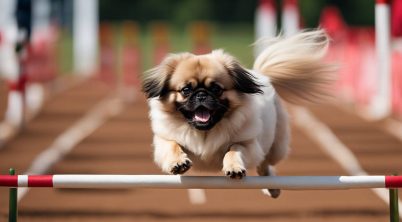
A Pekingese is a small breed with a sturdy body and a lot of personality. When fully grown, a Pekingese usually weighs between 7 and 14 pounds and stands about 6 to 9 inches tall at the shoulder. Most Pekingese reach their adult size by the time they are 9 to 12 months old.
Knowing the expected full grown weight of a Pekingese helps owners understand if their dog is growing normally and staying healthy. Each dog can be a little different, but their weight usually falls within this range if they receive proper care and nutrition.
Anyone considering a Pekingese, or caring for one, benefits from knowing these facts. This information makes it easier to watch for signs of healthy growth and catch problems early.
Table of Contents
Typical Full Grown Weight of Pekingese Dogs
Pekingese dogs are a toy breed well-known for their small size and compact build. Their weight and overall size are important for their health and care needs.
Average Weight Range for Adult Pekingese
Most full grown Pekingese dogs weigh between 6.6 and 14.3 pounds (about 3 to 6.5 kilograms). This range includes both male and female Pekingese, as there is little difference between the sexes.
Pekingese usually reach their adult weight by 9 to 12 months of age. Some might continue to fill out a bit after their first birthday, but not by much.
Genetics play a significant role in determining the exact weight of any individual dog. Puppies often grow to be about the average size of their parents. Monitoring their weight helps keep them healthy, as extra weight can lead to problems for this small breed.
Pekingese Weight (lbs) Explained
Here is a table showing typical weight milestones for Pekingese as they grow:
| Age | Typical Weight Range |
|---|---|
| Newborn | 2.5 – 5.5 ounces |
| 1 month | 1.5 – 3 lbs |
| 3 months | 3 – 6 lbs |
| 6 months | 6 – 9 lbs |
| 12 months+ | 6.6 – 14.3 lbs |
It is important to keep adult Pekingese within this range. Obesity is common in toy breeds and can cause heart, joint, and breathing issues.
If a Pekingese weighs more or less than these ranges, it’s a good idea to consult a vet. Track body shape as well, since muscle tone and bone structure can affect the ideal weight for each dog.
Comparison With Other Toy Breeds
Pekingese are similar in weight to other toy breeds. For example, adult Chihuahuas generally weigh 3 to 6 pounds, while Pomeranians range from 3 to 7 pounds. The Shih Tzu averages 9 to 16 pounds.
This means Pekingese are on the heavier end of the toy breed group but are still quite small. Their compact frame and sturdy build set them slightly apart from some slimmer toy breeds.
Here’s a comparison table:
| Toy Breed | Full Grown Weight (lbs) |
|---|---|
| Pekingese | 6.6 – 14.3 |
| Chihuahua | 3 – 6 |
| Pomeranian | 3 – 7 |
| Shih Tzu | 9 – 16 |
This helps owners know what to expect when choosing between toy breed dogs. Pekingese need similar care but sometimes require extra attention to keep their weight healthy.
Factors Influencing Pekingese Full Grown Weight
The adult weight of a Pekingese is shaped by their genes, what they eat, and how much they exercise every day. Paying attention to these specific areas helps keep a Pekingese at a healthy weight and can lower the risk of health problems.
Genetic Factors Impacting Growth
Genetics play a strong role in deciding how big or small a Pekingese will become.
A Pekingese will usually be within 6–9 inches tall at the shoulder and should not weigh more than 14 pounds when full grown, according to breed standards. However, certain lines or parents may have genes for slightly larger or smaller sizes.
Both the mother’s and father’s size matters. If both parents are close to the upper weight limit, their puppies may also be heavier as adults. Genetics can also affect metabolism, which impacts how food is turned into energy or stored as fat.
It’s common for males to be a bit larger than females. The natural body shape and bone structure of each dog, which comes from their parents, also affect how much they will weigh when grown.
Nutrition and Diet Considerations
Proper nutrition is key for a Pekingese to reach and maintain a healthy adult weight.
A balanced diet with the right blend of protein, fat, and carbohydrates supports normal growth and muscle development. Feeding high-quality dog food that matches the dog’s age and activity level is important, especially for puppies.
Too many treats or feeding table scraps can add extra calories and lead to weight gain. Portion control is critical, as Pekingese do not need as many calories as larger breeds. Most adults need about 300–400 calories per day, but this can vary.
Access to fresh water is necessary to support digestion and prevent overeating. Owners should watch for any changes in body shape or appetite, which may be signs of poor nutrition or health problems.
Role of Exercise in Weight Management
Physical activity helps keep a Pekingese at a healthy weight and prevents obesity.
Regular walks, gentle play sessions, and some indoor games are enough, as this breed does not need intense exercise. A lack of activity can easily cause weight gain, which may affect breathing or joint health for Pekingese.
Exercise supports strong muscles and helps burn off extra calories from food. Even short, daily activities matter, especially if the dog has a tendency to gain weight easily due to genetics.
Owners should adapt exercise routines to the dog’s age, health, and energy level. Care should be taken to avoid overexertion, as Pekingese have shorter snouts and may struggle with heavy exercise or extreme heat.
Growth Stages and Weight Development
The growth of a Pekingese varies by age, with noticeable changes in weight and appearance as they move from puppies to adults. Understanding their growth stages and tracking their weight helps owners ensure Pekingese dogs stay healthy.
From Pekingese Puppy to Adult
Pekingese puppies start very small, usually weighing less than a pound at birth.
During the first three months, they grow quickly. Most puppies weigh around 3 to 5 pounds by three months old. As they get older, the growth rate slows but remains steady.
By six months, most Pekingese puppies weigh between 5 and 8 pounds. They continue to gain weight until they reach their adult size, which is usually by 9 to 12 months. Full-grown Pekingese typically stand about 6 to 9 inches tall and weigh between 6 and 14 pounds, depending on genetics and diet.
Growth Rate and Patterns
The fastest growth period for a Pekingese is between birth and six months. During this time, it is important to feed them quality puppy food to support proper development.
From 6 to 12 months, growth slows but still continues. The dog’s frame fills out, and they develop more muscle. Weight gain after the first year is usually minimal unless due to overfeeding or lack of exercise.
Some differences exist between males and females, with males sometimes weighing slightly more. Still, both stay within the typical weight range for the breed as adults.
Using a Pekingese Growth Chart
A Pekingese growth chart is a useful tool for tracking weight over time. Owners can use a growth chart to check if their puppy is developing at a normal pace.
For example, a table for expected weight by age might look like this:
| Age (months) | Expected Weight (lbs) |
|---|---|
| 2 | 2 – 4 |
| 4 | 4 – 7 |
| 6 | 5 – 8 |
| 12 | 6 – 14 |
Comparing a puppy’s actual weight to the chart helps spot early signs of underweight or overweight issues. Regular check-ups and an appropriate diet can help maintain healthy Pekingese growth through all stages.
Monitoring and Maintaining Healthy Weight
A healthy adult Pekingese usually weighs between 7 and 14 pounds and stands 6 to 9 inches tall. Regular monitoring and smart diet choices help prevent obesity and keep joints healthy.
How to Read a Pekingese Weight Chart
A Pekingese weight chart helps show if a dog’s weight matches their age and size expectations. The chart has typical weight ranges for different ages, such as 4 to 8 pounds for young pups and 7 to 14 pounds for adults.
Owners should look for their dog’s current age and compare the number on the scale with the weight chart. Gaining weight too quickly, or not gaining enough, can signal health concerns. For example, a 4-month-old Pekingese should be in the 4.3 to 8.4-pound range.
Tracking weight every month helps spot changes in time. If the number goes outside the recommended range, a vet visit may be needed.
Preventing Obesity and Joint Issues
Obesity in Pekingese increases the risk of diabetes, joint pain, and breathing problems. Portion control is key. Serve measured meals with a balance of protein, fat, and carbohydrates.
Regular gentle exercise, like daily walks or play inside, keeps muscles and joints strong without straining them. Avoid activities with hard jumps, as these can hurt small joints.
Tips for prevention:
- Weigh the dog monthly
- Limit treats
- Choose high-quality dog food
- Keep a consistent feeding schedule
Noticing extra weight or sluggishness early makes it easier to help a Pekingese maintain a healthy weight and avoid joint problems.
Health, Care, and Lifestyle Considerations
Pekingese dogs have special needs due to their unique body shape and facial structure. Regular care and attention to health issues like breathing problems, grooming, and managing weight are important for maintaining their well-being.
Managing Brachycephalic Health Challenges
Pekingese are a brachycephalic breed, meaning they have a short nose and flat face. This shape can make them prone to health issues such as overheating and difficulty breathing, especially during exercise or hot weather.
Owners should avoid heavy exercise in the heat and always provide access to shade and water. Short, slow walks and indoor play are safer options.
Trips to the vet are important to monitor their breathing and spot early signs of stress. Keeping the dog at a healthy weight can help lower the risks of breathing problems and joint strain.
Grooming Needs and Daily Care
Daily grooming is necessary for Pekingese dogs because of their thick double coat and long fur. Brushing every day helps prevent matting and reduces shedding. Use a slicker brush or comb meant for long-haired breeds.
Pekingese are prone to eye and skin problems, so owners should check their eyes and skin folds daily. Bathing every few weeks with a gentle dog shampoo keeps the coat clean, but overbathing should be avoided.
Routine nail trimming and ear cleaning also help prevent infections. A grooming routine supports both health and comfort.
| Grooming Task | Frequency |
|---|---|
| Brushing | Daily |
| Bathing | Every 3-4 weeks |
| Nail Trimming | 2-4 weeks |
| Ear Cleaning | Weekly |
Breathing Difficulties and Snoring
Due to their flat face, Pekingese often snore and have noisy breathing. Narrow nostrils and a short windpipe can make breathing harder, especially during excitement or physical activity.
Owners may notice their dog snorting or gasping while sleeping or if they get too hot. Symptoms that need a vet’s attention include constant snoring, labored breathing, or blue gums.
Avoiding stress and keeping an eye on room temperature can reduce breathing episodes. Elevating their food bowl sometimes helps make eating and breathing easier.
Life Span and Quality of Life
Pekingese usually live between 12 and 14 years with the right care. Their life span can be affected by genetics, diet, exercise, and medical care.
Routine vet check-ups, healthy weight management, and a safe environment help improve both length and quality of life. Nutritious food and moderate exercise reduce risk for diseases like heart problems or arthritis.
Pekingese rely on their owners to spot health changes early. Monitoring for signs like coughing, limping, or appetite changes can lead to faster treatment and a happier life.
Socialization, Training, and Companionship
The Pekingese is a loyal and proud toy breed that benefits from careful socialization and gentle training. Including proper canine companionship can also help with behavior and emotional development.
Importance of Socialization for Pekingese
Socialization helps a Pekingese become comfortable in new places, around different people, and with other animals. Without this early exposure, they may become shy or act out from fear.
Puppies should meet a variety of people and experience different sounds, sights, and situations. This can include short walks in the neighborhood, supervised playdates, or safe visits to family homes. Owners should introduce changes carefully, using treats and praise to reward calm behavior.
Adult Pekingese that have not been well socialized may need extra time and patience. Short sessions and gentle encouragement are important. Consistent socialization helps prevent aggressive or anxious reactions as they grow older, supporting a more relaxed household.
Training Tips for a Balanced Pekingese
Pekingese can be independent, which makes patience essential during training. Short, positive sessions work best, using treats, toys, or praise as rewards.
Start with basic commands like sit, stay, and come. These not only teach manners but also help keep the dog safe. Repeat instructions the same way every time to avoid confusion.
Use a calm, firm voice and avoid harsh corrections. If a Pekingese becomes stubborn, it is best to pause and try again later rather than force the issue. Crate training can also help with housebreaking and giving the dog a safe, personal space.
Benefits of Canine Companions
Having another dog in the home can be helpful, especially for Pekingese that may spend time alone. Canine companions provide play, reduce boredom, and teach positive behavior through example.
Pekingese often enjoy the company of other small, gentle breeds. They should be introduced slowly and watched closely during the first meetings. Owners can use short shared walks, supervised play, and treats given to both dogs at the same time.
While Pekingese like to bond closely with their favorite people, having a dog friend can improve their mood, activity level, and even social skills. Proper companionship may help with anxiety or loneliness, creating a more well-rounded pet.