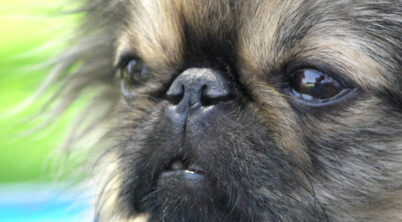
Pekingese dogs are known for making a variety of unique noises, from barking to grumbling and even howling. These sounds are not just random—they can tell owners a lot about what their pets are feeling or trying to say. Pekingese often bark to alert their families to new people or strange sounds, and they may also make special grumbling or whining noises when they want attention.
Some people find the noises charming and funny, while others may worry about excessive barking. Each sound has a purpose, whether it’s to communicate, get attention, or express excitement. Learning to understand these noises can help owners respond to their Pekingese’s needs and build a stronger bond with their pet.
Table of Contents
Understanding Pekingese Noises
Pekingese dogs, a breed from China, use specific noises to share their needs, moods, and reactions with people and other animals. Traits like their regal demeanor can be seen even in how they vocalize, as each sound often serves a clear purpose.
Typical Vocalizations and Their Meanings
Pekingese make a variety of sounds, including barking, howling, growling, whining, and sometimes even grumbling. Each noise has a meaning.
- Barking is usually a warning or an alert. It’s common when new people or animals are near.
- Howling can mean the dog feels lonely or wants attention.
- Whining is often heard when the dog is anxious, excited, or needs something like food or going outside.
- Growling may happen if a Pekingese feels threatened or needs more personal space.
- Grumbling or low rumbles sometimes come out when a dog is content or relaxed.
Pekingese, despite their size, have surprisingly strong, clear voices. Many owners notice these dogs make their feelings known loudly and without hesitation.
Common Triggers and Environmental Influences
Many Pekingese are sensitive to their environment. Certain triggers often set off vocalizations.
- New sounds or visitors may cause barking as a protective instinct.
- Loud noises like thunder or fireworks can stress the dog, leading to howling or whining. Their sensitive ears make them more reactive in these moments.
- Changes in daily routine or environment—such as moving furniture or introducing a new pet—can also lead to increased noise.
Having a stable, quiet setting helps reduce sudden or excessive barking and howling. Training and comfort from their owner can play a big role in helping a Pekingese feel safe and calm.
Communication and Emotional States
Pekingese use their voices to communicate both with people and other animals. Their noises are a window into their emotional states.
For example:
- Excitement: Fast, high-pitched barks and playful yips
- Fear or stress: Whining, pacing, or sudden barking
- Contentment: Soft grunts, sighs, or quiet snuffles
Understanding these signals helps owners respond to their dog’s needs. Noticing changes in vocalizations can also alert owners to stress or illness. This awareness is key for building trust and meeting the emotional needs of this proud dog breed.
Types of Pekingese Noises
Pekingese are known for making a variety of sounds, some of which are unique to their breed. These sounds include barking, whining, and special noises related to their short noses and physical traits.
Barking, Whining, and Other Sounds
Pekingese often bark to alert their owners to strangers or odd noises. They can be quick to sound the alarm if someone approaches the house or if they hear something unusual. This protective instinct is common in the breed.
Excessive barking can sometimes become a problem if the dog feels anxious or is not given enough attention. Owners may also notice whining, especially when the dog wants food, attention, or playtime.
Some Pekingese make a quiet grumbling noise when they are content or seeking more attention. On rare occasions, Pekingese may howl, usually in response to loud sounds like sirens or other dogs howling. Most other routine noises, such as yawning or sighing, are normal, but it is good to watch for sudden changes.
Below is a quick table of common Pekingese noises:
| Sound | Possible Reason |
|---|---|
| Barking | Alerting owners, strangers nearby |
| Whining | Attention-seeking, discomfort |
| Grumbling | Contentment, mild annoyance |
| Howling | Reaction to loud noises |
Breathing Difficulties and Brachycephalic Noises
Pekingese are a brachycephalic breed, meaning they have short, flat faces. This facial structure can cause several types of breathing noises. Snorting, snuffling, and snoring are especially common and more noticeable during sleep or excitement.
These dogs may sometimes wheeze or make gulping sounds when breathing heavily. Heavy panting, open-mouth breathing, or loud nasal noises can happen quickly, especially in warm weather or after exercise.
Owners should recognize that brachycephalic syndrome can make some of these sounds normal for the breed but can also signal breathing difficulties. If a Pekingese struggles to breathe or makes dramatic choking noises, a vet visit is necessary.
Noise-Related Health Concerns
Certain noises may warn of health concerns in the Pekingese. Persistent coughing or loud, harsh breathing could be a sign of airway problems linked to brachycephalic syndrome. Due to their short noses, Pekingese are at risk for overheating and respiratory distress, especially in hot weather.
A sudden change in usual sounds, such as more frequent sneezing, coughing, or raspy breathing, might mean infection or irritation. Large eyes can also contribute to occasional snorting if the eyes water and affect the nose.
Key signs to watch for include:
- Struggling to catch breath
- Blue or pale gums
- Frequent choking or gagging
Owners should consult a veterinarian if they notice new or concerning noises, as some may hint at health risks that need prompt care.
Behavioral Causes of Vocalization
Pekingese are known for their vocal nature, and understanding why they make certain noises can help owners respond appropriately. Their barking and other sounds are usually connected to their personality, their instinct to protect, or emotional reactions to their environment and the people around them.
Temperament and Protective Instincts
Pekingese have strong and bold personalities. They are confident and not easily intimidated, even by much larger animals. These temperament traits can lead to more frequent vocalizations.
This breed is very protective. They tend to bark to defend their home or alert their family to anything unusual, like a stranger at the door or an unfamiliar noise. This watchdog behavior is common and rooted in their instinct to guard their territory.
Pekingese may bark or growl when they feel their space is being invaded. This is not usually aggression, but a show of their loyalty and desire to protect the people they care about most.
| Temperament Traits | Protective Behaviors |
|---|---|
| Bold | Bark at strangers |
| Confident | Alert to noises |
| Loyal | Guarding home |
Alert, Excitement, and Distress Responses
Pekingese are alert dogs. Small sounds or sudden movements can cause them to bark or make other sounds. This quick response helps them warn their family about possible changes or threats.
They also vocalize when they are excited. For example, a Pekingese might bark when a favorite person comes home or during playtime. These excited barks are usually higher pitched and more frequent.
Distress is another cause of vocalization. Loud noises, such as thunder or fireworks, can scare them, leading to anxious barking or whining. This is especially common in dogs that are sensitive to changes in their environment.
| Reason | Type of Vocalization | Example |
|---|---|---|
| Alert | Bark | Hearing something outside |
| Excitement | High-pitched barks | Greeting a family member |
| Distress | Whine or anxious bark | During storms or loud events |
Loneliness and Separation Anxiety
Pekingese dogs often build strong bonds with their owners. When left alone for long periods, they can feel lonely or stressed. This separation anxiety often leads to increased barking, whining, or howling as an emotional response to being by themselves.
These noisy behaviors usually start soon after their owner leaves and can continue until someone returns. Signs of separation anxiety may include:
- Constant barking
- Pacing or restlessness
- Destructive chewing
This breed prefers being close to people they trust. Consistency and gentle reassurance can help reduce their anxiety. Providing toys or background noise, such as soft music, may also help calm them when alone.
Training and Managing Noises
Managing noises made by a Pekingese is important for a calm home. Understanding training basics and how to use positive methods can greatly improve a dog’s behavior.
Positive Reinforcement Techniques
Positive reinforcement rewards good behavior and encourages dogs to repeat it. When a Pekingese is quiet after hearing a noise, reward it with a treat, praise, or attention. This helps the dog learn which behaviors are preferred.
Some owners use a clicker to mark good behavior before giving a reward. This makes the connection clear. Rewards should be given right after the quiet moment.
Avoid yelling or punishing, as this can cause anxiety or more barking. Focus on making the quiet choice enjoyable for the dog. Over time, positive reinforcement leads to better habits around noises.
Common Rewards:
| Reward Type | Example |
|---|---|
| Food/treat | Small training bites |
| Affection | Petting, praise |
| Play | Favorite toy |
Desensitization and Socialization
Desensitization helps a Pekingese become less sensitive to everyday noises. Start with a low level of the noise, such as a recording set at a quiet volume. As the dog stays calm, slowly increase the sound over sessions.
During this process, use treats and gentle praise to reinforce calmness. If the dog seems scared or stressed, reduce the sound and take a break.
Socialization is also important. By safely introducing the dog to new people, places, and pets, they become more confident and less likely to react loudly out of fear. Short, positive experiences are best.
Regular exposure to the world helps the Pekingese handle noises better. These steps give the dog tools to cope with new and unusual sounds.
Consistency and Training for Barking
Consistency is key when teaching a Pekingese not to bark excessively. Every family member needs to use the same commands and rules. If “quiet” is the cue, everyone should use the same word.
Training sessions should be short and regular. If the dog barks because it’s bored or wants attention, ignore the barking and reward calm or quiet behavior instead.
Reducing triggers, like covering windows or playing white noise, can lower barking. Be patient, as some Pekingese need time to adjust.
Training Tips:
- Use the same word each time for commands.
- Reward quiet moments more than once per session.
- Avoid giving attention during barking.
Addressing Aggressive Vocalizations
Pekingese might use growling, snarling, or harsh barking to show aggression or discomfort. It’s important not to punish this, as dogs use these sounds to communicate.
Instead, try to understand what causes the aggression. Are there certain people, pets, or situations? Remove triggers where possible, and work on slowly exposing the dog in a controlled way (desensitization).
If aggressive noises continue, consult a professional dog trainer or behaviorist. Professional help is important for safety and proper management.
Aggressive vocalizations often improve with training, routine, and a calm environment. Watching for early warning signs can help prevent unsafe situations.
Supporting Your Pekingese’s Well-Being
A Pekingese needs regular care and attention to stay healthy and happy. Meeting their exercise needs, keeping them calm, and providing proper grooming all help prevent problems like destructive chewing and anxiety.
Exercise Needs and Mental Stimulation
Pekingese dogs may be small, but they benefit from daily exercise. Short walks around the neighborhood or indoor play sessions help keep their muscles strong and their minds sharp. Avoid long or intense sessions, as this breed is sensitive to heat and can overheat easily.
Mental stimulation is also important for this breed. Puzzle toys, food-dispensing balls, and interactive games can prevent boredom. Training with positive reinforcement gives their brains a workout and helps with obedience.
Without enough activity and enrichment, a Pekingese may develop bad habits such as chewing on furniture or acting out. Regular changes in toys and activities keep them engaged and content.
Creating a Calm Environment
The Pekingese is sensitive to loud noises, such as fireworks, vacuums, or thunder. A quiet space in the home—away from busy areas—helps them feel secure. Soft bedding, a favorite chew toy, and dim lighting add comfort.
If the home is noisy, using white noise machines, calming music, or closed windows can help lower stress. Keeping routines predictable also helps reduce anxiety.
During stressful events, such as storms or guests visiting, offering treats and gentle attention can distract and reassure them. This lowers the chance of barking or fearful behavior driven by nervousness.
Grooming and Health Maintenance
Grooming is a must for every Pekingese. Their long fur requires brushing several times a week to prevent tangles and mats. Regular brushing helps control shedding and keeps their coat clean.
Baths should be given every month or when they get dirty. Ears, teeth, and eyes need checking each week. Routine dental care, like brushing teeth or giving dental chews, helps avoid gum disease. Pekingese are prone to dental issues because of their small mouths.
Owners should also watch for signs of allergies or skin infections, which are common in this breed. Regular vet visits catch problems early and keep them on a healthy schedule for shots and prevention.
Preventing Destructive Behaviors
Destructive chewing can result from boredom or lack of stimulation. Giving a Pekingese plenty of safe chew toys and rotating them keeps things interesting. Puzzle feeders and interactive toys help redirect energy from unwanted behaviors.
Companionship is also key. Pekingese dogs enjoy spending time with their family and are less likely to become destructive when they get attention and affection. If left alone for long periods, they may chew or dig to relieve loneliness or stress.
Training and clear boundaries help prevent problem behaviors. Consistent praise and rewards for good behavior teach the dog what is expected. Preventing and redirecting destructive actions early makes it easier to have a calm and well-behaved companion.
Special Considerations for Pekingese Puppies
Pekingese puppies make a variety of noises that reflect their personality and comfort level. Training and socialization at a young age can greatly influence how these puppies communicate and interact with their environment.
Puppy Vocalization Patterns
Pekingese puppies often bark, whine, or growl during play, when seeking attention, or if they feel unsure. Their small size does not stop them from being quite vocal, especially when they want something. Some may bark at common household noises or new people entering the home.
Barking is usually more frequent in puppies that are bored or not given enough stimulation. Whining can signal discomfort or anxiety, especially if they are separated from their owner. It is important to watch for patterns since changes in vocalizations may point to health concerns or stress.
- Common puppy noises:
- Barking at visitors
- Whining for attention
- Growling during play
- Less common noises:
- Yelping if startled or hurt
Teaching puppies to respond to quiet commands and rewarding calm behavior helps reduce unnecessary vocalizing. Early training sessions should be short and positive.
Early Socialization Strategies
Early socialization is essential for Pekingese puppies to help them feel secure and less reactive to noises. Carefully introducing a puppy to various environments, people, and sounds can prevent excessive barking later in life.
Puppies that are socialized around other dogs, children, and common household sounds such as vacuums or doorbells develop more confidence. Take small steps by exposing a puppy to new experiences in a controlled setting. This helps them learn that unfamiliar sights and sounds are not a threat.
Tips for socializing Pekingese puppies:
- Attend puppy classes or playdates
- Walk them in quiet parks before busy areas
- Reward curiosity and calm reactions to new noises
- Introduce new sounds with treats and gentle reassurance
Regular socialization and simple training commands like “quiet” or “sit” help build good habits that last into adulthood.