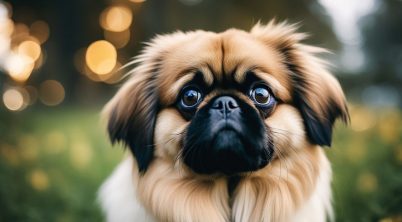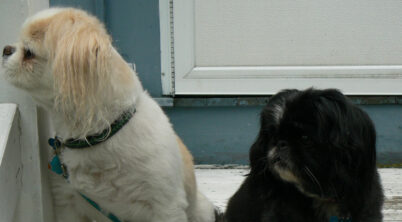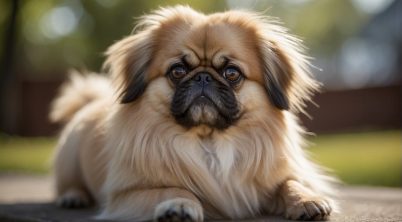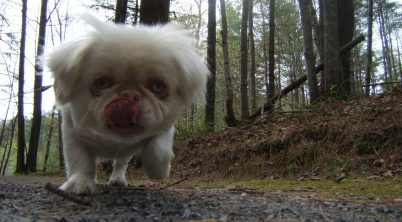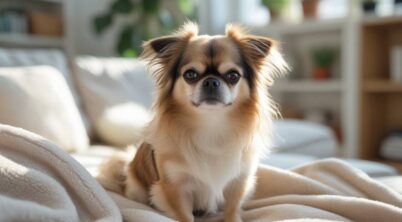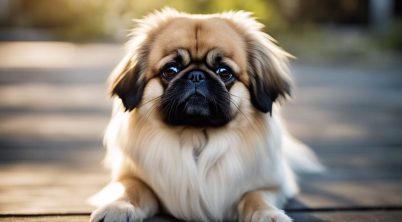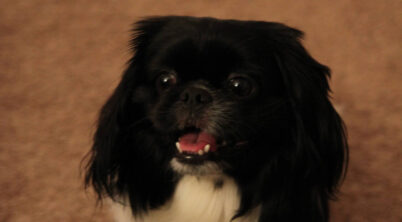
Pekingese puppies are known for their unique looks and loving, loyal personality. They have a regal appearance, a flat face, and a sturdy little body. These puppies form strong bonds with their families and are often affectionate and friendly, but can be a bit reserved with strangers.
Anyone thinking about getting a Pekingese puppy should know they require regular grooming, early socialization, and gentle training to thrive as part of the household. They are intelligent dogs, but their independent spirit means patience is important when teaching them new things.
Learning about their needs and habits helps make life with a Pekingese puppy happy and healthy for everyone. Being prepared ensures these charming companions grow into well-mannered adult dogs.
Table of Contents
Essential Facts About Pekingese Puppies
Pekingese puppies are known for their lion-like appearance, dignified temperament, and long history as companions to Chinese royalty. They have clear needs and traits that make them stand out among toy breed dogs.
Key Pekingese Characteristics
Pekingese puppies are small but carry a notable presence. Most weigh between 7 to 14 pounds when grown. Their long, flowing coat comes in many colors and requires regular grooming to keep it clean and tangle-free.
A short, flat nose gives the breed its distinct facial appearance. This trait, however, means Pekingese can have breathing issues, especially in hot or humid conditions. They need calm environments where they don’t overexert themselves.
Notably, Pekingese have a compact, sturdy body with a broad chest and bowed front legs. Their tail is feathered and often arches over the back. Their eyes are large and dark, giving them an alert and expressive look.
Unique Personality Traits
The Pekingese breed is known for its calm, loyal, and independent nature. Despite their small size, these puppies can be bold and sometimes a bit stubborn. They bond closely with their families and are often very protective of their loved ones.
Pekingese are not overly active dogs. They enjoy short play sessions but won’t demand long walks or lots of exercise. Socialization from an early age helps them accept visitors and feel comfortable around other animals.
They often show a regal attitude, which can sometimes come across as aloofness. While these dogs can be affectionate, they usually prefer quiet company rather than rough play or loud environments.
Understanding the Toy Breed Group
The Pekingese belongs to the toy breed group, which includes small companion dogs bred mainly for their company rather than for work. These dogs were once exclusive pets of Chinese nobility and are still valued for their loyalty and charm.
Toy breed dogs like the Pekingese are suited for apartment living due to their size. They can adapt well to different homes but may be best for adults or older children who can handle them gently. Their delicate stature means that rough handling can lead to injuries.
Pekingese puppies often need special care around young kids and larger pets. As with all toy breeds, regular health checks are important, especially for breathing problems and joint concerns common in smaller dogs.
History and Origins of the Pekingese
The Pekingese is a toy dog breed with a unique and royal past. Its history ties closely to ancient China, Chinese emperors, and a deep cultural symbolism as a “lion dog.”
Ancient Chinese Heritage
The Pekingese breed can be traced back over 2,000 years to ancient China, especially during the Han Dynasty. Early records show that these small dogs were bred by the Chinese imperial family. They lived inside the walls of palaces and were kept away from common people.
Selective breeding led to their compact size, long flowing coat, and flat face. Pekingese were considered treasures within the imperial court and rarely seen outside royal circles.
No one was allowed to own a Pekingese unless given special permission from the emperor. This secrecy helped the breed maintain its pure bloodline and unique features. Their appearance and origins remain a point of pride in Chinese culture.
Role as a Companion Dog
Pekingese were specially bred as companion dogs for emperors, empresses, and royal family members. They were often pampered and lived a life very different from that of working dogs.
They were carried in the sleeves of royalty, which also led to the nickname “sleeve dogs.” Instead of serving as watchdogs or hunters, their main role was to provide comfort and companionship.
It was common for a Pekingese to accompany royalty at all times, indoors or in the royal gardens. This close relationship shaped the breed’s personality, making them loyal, alert, and sometimes a bit stubborn.
Symbolism as the Lion Dog
The Pekingese is also known as the “lion dog,” which is more than just a nickname. In Chinese culture, lions represent power, protection, and good fortune. Since China had no native lions, legend says the Pekingese was bred to look like a lion admired by Chinese art.
Buddhist stories inspired this symbolism. It was believed that these dogs protected temples and spirits, acting as living charms for the imperial family.
Their lion-like mane, proud stance, and confident gait set them apart. The Pekingese’s appearance was carefully maintained to reflect this image of bravery and nobility. This ancient association with the lion continues to define the Peke’s charm today.
Health Considerations for Pekingese Puppies
Pekingese puppies need special attention when it comes to their health. They are more likely to face breathing issues and genetic conditions than some other breeds, so careful monitoring and early vet care are key. Taking steps now helps set up a healthier future for these dogs.
Brachycephalic Syndrome Risks
Pekingese are a brachycephalic breed, meaning they have a flat face and short nose. This head shape can cause breathing problems, especially in hot or humid weather.
Brachycephalic syndrome in Pekingese puppies may appear as noisy breathing, snoring, or labored panting. They might tire quickly during walks or play. Heat and excitement can make these symptoms worse, and in serious cases, a puppy may collapse or have trouble catching its breath.
A cool, calm home environment and avoiding too much exercise in warm weather can help. Regular vet checkups are important since severe cases sometimes require surgery.
| Common Signs | Prevention Tips |
|---|---|
| Noisy breathing | Keep environment cool |
| Exercise intolerance | Avoid hot weather walks |
| Snoring | Limit high excitement |
Common Genetic Conditions
The Pekingese dog breed can inherit several health issues. Owners should be aware of mitral valve disease (a heart problem), patellar luxation (loose kneecaps), and eye problems like keratoconjunctivitis sicca (dry eye).
Mitral valve disease can cause coughing, tiredness, or breathing trouble as the dog ages. Patellar luxation usually leads to limping or skipping steps. Pekingese puppies are also prone to dry eye, shown by red eyes or a thick discharge.
Routine veterinary exams help spot these problems early. Ask breeders for health records and check for signs at home, like changes in movement or eye health. Using eye drops and a healthy diet may help manage some of these issues.
Lifespan and Long-Term Wellness
Pekingese dogs usually live 12 to 14 years with good care. Regular vet visits, keeping a steady weight, and grooming make a big difference in their long-term health.
Dental care is important because this breed is prone to gum disease. Brush their teeth with a dog-safe brush and give dental treats to help avoid issues. Careful monitoring of diet and exercise prevents both obesity and heart disease.
A simple routine can include:
- Yearly vet exams
- Daily brushing (coat and teeth)
- Quality dog food
- Moderate, gentle exercise
Staying ahead on health checks means Pekingese puppies can enjoy a full, happy life. Early prevention and daily routines are the best way to support their well-being.
Caring for Pekingese Puppies
Pekingese puppies need special attention when it comes to their diet, exercise routine, and coat care. Staying consistent with these routines helps puppies grow up healthy and comfortable in their home environment.
Feeding and Nutrition
Pekingese puppies should be fed a high-quality puppy food that is made for small breeds. Proper nutrition is important for their growth and development. Feeding schedules should include 3–4 small meals per day for young puppies, then transition to 2 meals as they get older.
Always provide fresh, clean water at all times. Watch for signs of food allergies or sensitivities such as itching or upset stomach. Avoid giving too many treats or table scraps, as Pekingese are prone to weight gain.
Choose foods with real meat as the first ingredient. Avoid fillers like corn or soy. By sticking to a regular feeding schedule and avoiding overfeeding, owners can help prevent obesity and related health issues.
Exercise Needs and Activity
Pekingese are not high-energy dogs, but puppies still need daily exercise to keep them healthy. Short walks and play sessions in a safe, enclosed area work best. Monitor puppies closely, as their flat faces can make breathing difficult, especially in hot or humid conditions.
Games like fetch or gentle tug-of-war are ideal for mental and physical stimulation. Take rest breaks often, and do not let them overexert themselves. Pekingese enjoy spending time with people, so interactive play helps with socialization.
Never force a Pekingese puppy to exercise for long periods. Focus on gentle activity and watch for signs of tiredness or trouble breathing. Adjust routines based on weather and the puppy’s energy level.
Grooming and Coat Care
The Pekingese puppy’s thick, long coat needs regular care. Brush their fur at least 3–4 times a week to prevent tangles and mats. Use a slicker brush or metal comb to reach the undercoat and remove loose hair.
Bathing once a month with a gentle dog shampoo will help keep their skin clean. Dry the puppy thoroughly after each bath, paying attention to the folds on their face. Clean their eyes daily with a soft, damp cloth to remove discharge.
Trim nails every few weeks. Check the puppy’s ears for signs of redness or odor, and wipe them gently as needed. Early grooming helps puppies get used to the process and keeps their coat and skin healthy.
Training and Socialization of Pekingese Puppies
Pekingese puppies are companion dogs known for their stubborn but loyal personalities. Early and consistent training, along with careful socialization, will help these small dogs adjust well in homes with families and other pets.
Adapting to Family Life
A Pekingese puppy benefits from a structured family environment. They thrive when routines are in place, like scheduled feeding, potty breaks, and playtime. Consistency helps reduce confusion and supports house training.
These dogs respond best to positive reinforcement such as treats, praise, or petting when they display good behavior. Harsh discipline can make them fearful or withdrawn, so gentle correction is key. It is important for every family member to use the same rules and commands to prevent mixed signals.
Because of their independent streak, short daily training sessions work better than longer ones. Key commands like “sit,” “stay,” and “come” should be practiced often. Simple commands are easier for a Pekingese to remember, helping them feel more secure as part of the household.
Socialization With Pets and Children
Socializing a Pekingese early helps prevent shyness and fear-based behaviors. The best time to introduce new people, animals, and environments is when the puppy is between 3 and 14 weeks old.
When first meeting other pets or children, interactions should be short and monitored. Children need to be taught how to approach gently, as the Pekingese is a small dog and can get hurt or overwhelmed by loud noises and rough play. Puppy socialization classes and regular visits to pet-friendly parks also help Pekingese puppies adjust.
Playdates with friendly dogs of different sizes can teach a Pekingese good social habits. Owners should watch closely for signs of anxiety, such as cowering or barking, and step in to create a calm atmosphere.
Overcoming Training Challenges
Pekingese puppies can be stubborn, making training seem slow at times. Patience and regular positive feedback speed up learning. It’s common for them to ignore commands when bored or distracted, so short and engaging sessions are best.
To help with potty training, owners should stick to a regular bathroom schedule and reward successes right away. Use a chart like the one below for tracking progress:
| Date | Successes | Accidents | Notes |
|---|---|---|---|
| 8/10 | 3 | 1 | Improved focus |
| 8/11 | 4 | 0 | No accidents |
If a Pekingese shows fear or hesitation, patience is essential. Slow exposure to new things builds confidence. Repeating basic tasks, like leash walking or crate training, helps reinforce good habits and prevents setbacks. Using gentle, clear cues ensures the puppy feels safe while learning.