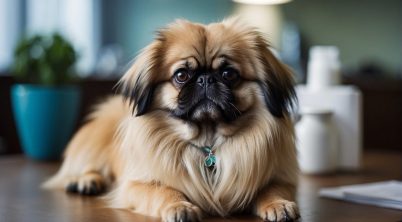
Pekingese separation anxiety is a common issue for this breed, causing stress for both dogs and their owners. These small and loyal dogs can become very attached to their families, which means they may struggle when left alone, even for short periods of time. Pekingese that experience separation anxiety may show signs like barking, destructive chewing, or having accidents in the house.
Anyone who lives with a Pekingese should know that their loving nature can also make them more sensitive to being left by themselves. Knowing how to spot and handle separation anxiety is important for the happiness and health of these dogs.
If a Pekingese is showing signs of separation anxiety, there are steps owners can take to help their pet feel more secure and calm. This article offers tips and strategies to manage and reduce separation anxiety in the Pekingese breed.
Table of Contents
Understanding Pekingese Separation Anxiety
Pekingese dogs are known for their strong attachment to their owners and loyal personalities. Their unique breed traits and close bond with humans can sometimes lead to issues when they are left alone.
What Is Separation Anxiety in Pekingese Dogs
Separation anxiety in Pekingese is a behavioral problem where the dog experiences stress when separated from their owner. Signs often include whining, barking, pacing, destructive chewing, or house soiling.
This condition can develop after changes in routine, moving to a new home, or being adopted. It can show up whether the owner is gone for just a few minutes or for hours. These behaviors are not signs of disobedience, but instead signal upset and distress.
The Pekingese temperament is generally affectionate and people-focused. When left alone, they may struggle because they are used to being close to their family. Owners may notice their Pekingese becomes restless or anxious as soon as they prepare to leave.
How Genetics and Breed Traits Influence Anxiety
Genetics play a role in how Pekingese handle stress and separation. This dog breed was bred as companions for Chinese royalty, which means they have spent centuries close to people.
Pekingese are small in size, making them well-suited to being lap dogs. Their loyal nature and protective instincts toward their family members run deep. These traits make the breed courageous but also more sensitive to change or time apart.
Because of their background, Pekingese may be more prone to separation anxiety than some other breeds. Families should understand that their affectionate and loyal nature can increase the risk for anxiety when these dogs are alone. Breeding history helps explain why this behavior appears so often in Pekingese dogs.
Common Causes in Pekingese
Several factors can cause separation anxiety in Pekingese. One important cause is sudden changes in their environment, such as a new home or a family member moving out.
Being left alone for long periods, especially if they are not used to it, can trigger anxiety. Lack of socialization in puppyhood can also make them less confident when separated from their owner.
Pekingese often thrive on routine and may become unsettled if there is an abrupt change in their daily schedule. Their strong bond with their humans means they may struggle if left out of family activities or isolated. Owners who work long hours or leave the house often may see more signs of this condition.
Identifying Signs and Symptoms
Pekingese dogs often show clear distress when left alone. Owners should pay attention to specific changes in their dog’s actions, as these can help catch problems early and prevent further behavior issues.
Symptoms of Separation Anxiety in Pekingese
Separation anxiety in Pekingese often leads to a range of emotional and physical reactions. These dogs may become restless as soon as their owner prepares to leave. Common symptoms include pacing, whining, trembling, and drooling.
Some dogs may show signs as soon as the owner puts on shoes or grabs keys. Others may begin to bark, scratch at doors, or follow their owner from room to room. These reactions are not just normal sadness—they are stronger, ongoing responses to being left alone.
Owners sometimes notice their dog refusing food or ignoring toys when alone. Signs of separation anxiety can also include bathroom accidents, even if the dog is already house-trained. If these symptoms show up regularly during absences, separation anxiety is likely.
Destructive Behavior and Chewing
Destructive behavior is one of the most noticeable signs of separation anxiety in Pekingese. When anxious, these dogs may chew on furniture, shoes, or door frames. Chewing helps the dog relieve stress, but it can damage property and even harm the dog’s teeth.
Some dogs dig at carpets near doors, scratch at windows, or try to escape their crate or the house. These actions can sometimes cause injuries such as broken nails or scratched paws. Anxious Pekingese are not trying to “punish” the owner. They act out because they are deeply upset by being left alone.
Destructive actions are more likely to happen soon after the owner leaves. Owners may come home to find items shredded or out of place, which is a clear sign of a behavior problem linked to anxiety.
Excessive Barking and Vocalizations
Excessive barking, whining, or howling is common in a Pekingese with separation anxiety. These dogs may begin vocalizing right after the owner departs, and the noise can continue until the owner returns. Vocalizations are a sign the dog feels anxious or is trying to call their owner back.
Neighbors might complain about the barking, especially in apartments or shared buildings. The barking is different from normal barking at noises. It is often high-pitched and persistent, showing the dog’s distress.
Some Pekingese alternate between barking, scratching doors, and pacing. If the dog’s barking only happens when alone and lasts a long time, it often signals separation anxiety rather than other canine behavior issues.
Effective Training and Prevention Strategies
Training a Pekingese to handle separation anxiety takes time and a careful approach. Using positive methods, patience, and consistency helps build trust. A combination of targeted training techniques, mental stimulation, and setting boundaries works best for long-term success.
Positive Reinforcement Techniques
Positive reinforcement training encourages good behavior by rewarding the Pekingese for making the right choices. Owners should use treats, praise, or toys anytime the dog stays calm when left alone, even for just a few minutes.
Rewards must be given right away so the dog knows exactly which behavior is being reinforced. Over time, this helps build confidence and reduces fear. The use of a reward chart or list can help track progress and keep training sessions consistent.
Lists of popular rewards include:
- Small soft treats
- Verbal praise
- Favorite toys
- Extra playtime
Owners should keep sessions short, positive, and frequent. Avoid punishing the dog for showing anxious behaviors, as this can make anxiety worse. If unsure about how to set up a reward system, a professional dog trainer can help guide the process.
Gradual Desensitization and Crate Training
Gradual desensitization involves exposing the Pekingese to being alone for brief periods and slowly increasing the duration over several days or weeks. For example, the owner might leave the room for a minute, return and reward the dog, then slowly build up to longer absences.
A table showing a sample desensitization schedule:
| Day | Time Left Alone |
|---|---|
| 1 | 1 minute |
| 3 | 2-3 minutes |
| 7 | 10 minutes |
| 14 | 30 minutes |
Crate training can be useful if the crate is introduced as a safe and comfortable place. The crate should never be used for punishment. Use soft bedding, and place favorite toys inside to make it inviting.
When combined with mental stimulation, such as puzzle toys or chew treats, crate training and short absences become less stressful. This can help prevent both anxiety and unwanted behaviors, like house soiling.
Building Trust and Obedience Training
Trust is built by being reliable and gentle with the Pekingese at all times. Obedience training provides clear routines and boundaries, which help reduce confusion and anxiety.
Owners should work on basic commands, such as sit, stay, and come, using positive reinforcement methods. Teaching the dog to wait calmly before being greeted or before meals can also create structure and confidence.
Short daily sessions work better than long, complicated ones. If the dog struggles to focus, break the training into even smaller steps. A dog trainer can guide owners through teaching both trust-building exercises and more advanced skills.
Loyalty grows when the dog feels secure and understands what is expected. This foundation encourages the Pekingese to handle alone time more calmly.
Daily Care and Enrichment for Pekingese
Daily routines help reduce separation anxiety in Pekingese by giving them activities that build comfort, keep them active, and prevent boredom. These routines can include positive attention, mental stimulation, and opportunities for safe socialization to create a sense of stability.
Providing Comfort and Companionship
Pekingese dogs are affectionate and need close contact with their owners to feel safe. Owners can provide comfort through gentle petting, talking calmly, and offering praise when the dog is relaxed. Leaving a piece of clothing that smells like the owner can help soothe the dog when alone.
Keeping a regular schedule for feeding, bedtime, and bathroom breaks adds structure. These dogs feel more secure when they know what to expect each day. Creating a cozy sleeping area with a favorite toy can help Pekingese feel less lonely during quiet hours.
If possible, a family member, friend, or pet sitter can check in during the day. This extra companionship breaks up long periods of alone time and helps ease anxiety.
Interactive Toys and Puzzle Feeders
Interactive toys and puzzle feeders provide important mental enrichment for Pekingese. These tools keep their minds active and help distract them from stress when left alone. Toys that dispense treats or require problem-solving can keep them interested for longer periods.
For example, treat balls, snuffle mats, and KONG toys filled with healthy snacks encourage natural sniffing and foraging behaviors. Rotating different toys each week prevents boredom and adds variety.
Table: Sample Puzzle Feeders and Benefits
| Toy Type | Benefit |
|---|---|
| Puzzle feeder | Slows eating, adds challenge |
| Treat ball | Encourages play and movement |
| Snuffle mat | Stimulates foraging instincts |
| KONG toy | Offers long-lasting distraction |
Choosing safe, sturdy toys is important. Supervise play when trying out a new toy to make sure it is suitable for the dog’s size and chewing style.
Exercise, Socialization, and Enrichment Activities
Physical activity and social time are essential for a Pekingese’s wellbeing. Short daily walks of 10–20 minutes offer mild exercise and help burn off nervous energy. Gentle play sessions inside or in a fenced yard also keep their bodies and minds engaged.
Socialization reduces fear and anxiety around unfamiliar people or pets. Brief, positive outings—like meeting other dogs or visiting quiet parks—are beneficial. Owners should always watch for signs of stress and go at a comfortable pace.
Enrichment activities, such as teaching simple tricks, introducing new smells, or letting them observe neighborhood sights from a window, help satisfy their curiosity. A mix of activities keeps their daily life interesting and prevents behavioral problems linked to boredom or a lack of socialization.
Managing and Reducing Separation Anxiety
Reducing anxiety in Pekingese dogs involves creating a relaxing home and paying close attention to their overall health. These steps are especially important since this breed can be sensitive, stubborn, and prone to stress.
Calming Tools and Environmental Changes
Many owners find that certain tools and changes can help lower anxiety when a Pekingese is home alone. Playing calming music or leaving the radio on at a low volume can make the space feel less empty. Some dogs find comfort with a Thundershirt or similar snug wrap, which provides gentle pressure and can help calm anxious feelings.
Creating a cozy, safe area using a bed, soft blankets, and favorite toys can give the dog a sense of security. If the Pekingese is especially territorial, using baby gates can keep them in a familiar space while still limiting access to the entire house. Make sure their environment is quiet and free from sudden loud noises.
Gradual departures and short absences can help build independence. While Pekingese are quite different from the more adaptable beagle breed, they benefit from routine and short, positive training sessions that increase their confidence.
Regular Grooming and Health Monitoring
Pekingese have dense, long fur that needs frequent brushing. Matted fur or skin problems can make them more uncomfortable, leading to higher stress. Brushing several times a week prevents tangles and keeps their coat healthy.
Regular grooming is also a chance to check for any health issues. Problems such as skin irritation, ear infections, or breathing difficulties should be caught early, as medical problems can worsen anxiety. Use gentle tools and a calm voice during grooming to help the dog feel at ease.
Stubborn behavior or sudden changes may signal pain or illness. Keeping up with vet visits and addressing any health concerns quickly is important to reduce anxiety and maintain a stable routine for the Pekingese.
* Banner photo by Dirk DBQ, cropped | Some rights reserved