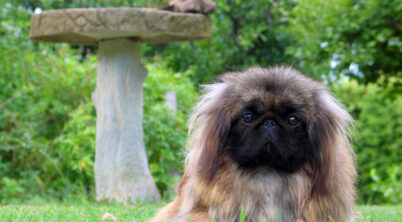
People often think of large breeds when they picture a service dog, but smaller dogs like the Pekingese can play important roles, too. A Pekingese can be a service dog if it is trained for specific tasks that help a person with a disability. Their independent nature and loyalty make them well-suited for certain service duties, especially as emotional support or companionship animals.
The Pekingese is known for its courage, alertness, and strong bond with its owner. While their small size means they may not assist with physical tasks, they can provide comfort, companionship, and emotional support. Their calm and dignified temperament makes them a steady presence for people who need everyday assistance.
Table of Contents
Overview of the Pekingese Breed
The Pekingese is a small dog breed with a strong connection to Chinese history. Its unique look, temperament, and size make it a popular choice for dog lovers who appreciate lapdogs and toy breeds.
Breed History
The Pekingese breed began in ancient China, where they were bred to be companions for Chinese royalty. These dogs were kept in imperial palaces and were highly valued by their owners for their lion-like appearance.
They were not just pets but symbols of status and privilege. At first, only royal families were allowed to own a Pekingese. In the 19th century, the breed was introduced to the West. The American Kennel Club and other organizations soon recognized the Pekingese as a unique breed.
Since then, Pekingese have become loved around the world for their fascinating origin and rich history. Their royal roots still show in their proud, noble attitude.
Physical Characteristics
The Pekingese is a small toy breed, weighing up to 14 pounds and standing 6 to 9 inches tall at the shoulder. Their body is compact, and they have a broad chest and sturdy build for their size.
They are known for their long, flowing double coat. Their thick fur forms a mane around the neck, giving them a lion-like look, which is a key feature of the breed. Coat colors can vary, including gold, cream, black, and sable.
Their face is flat and wide, with a short muzzle and big, dark eyes. The Pekingese’s ears are long and feathered, and their tail is carried over the back.
| Trait | Description |
|---|---|
| Size | 6-9 inches, up to 14 lbs |
| Lifespan | 12-14 years |
| Coat | Long, double, thick |
| Face | Flat, short muzzle |
Temperament and Personality
Pekingese have a calm and even-tempered nature. They often act with confidence and seem aware of their royal background. These dogs are loyal and form strong bonds with their families.
They have a dignified, sometimes stubborn personality. The Pekingese is intelligent but can be independent; they may not always obey commands right away. Still, they are affectionate with people they trust.
Pekingese are well suited as lapdogs and companion pets. They do best in quieter homes, as they can be sensitive to rough handling or loud environments. Socialization and gentle training help them become friendly and well-behaved.
Suitability of Pekingese as Service Dogs
The Pekingese is an affectionate and loyal dog breed with a long history as a companion animal. While this breed can form strong bonds with owners, their abilities and temperament differ from many breeds commonly used as service dogs.
Common Service Dog Tasks
Service dogs are trained to help with daily activities or provide support for disabilities. Common tasks include retrieving items, opening doors, guiding those with visual impairments, and alerting to medical events like seizures. Some service dogs also provide deep pressure therapy or reminders for medication.
The Pekingese is small in size, which limits its ability to perform physical tasks such as opening doors or supporting mobility. Their obedience level may also be lower than breeds like Labradors or Golden Retrievers, making task training more challenging. However, some Pekingese can learn simple tasks, such as alerting to sounds or providing comfort during anxiety.
Comparison with Other Dog Breeds
The American Kennel Club recognizes many breeds for their work as service or therapy dogs. Breeds like Labradors, Golden Retrievers, and Poodles are popular because they are highly trainable and have a calm temperament.
Pekingese are not commonly chosen for service roles. Their natural watchdog instincts can make them prone to barking, which may not be suitable in public places or quiet environments. Other breeds often perform more advanced tasks because of their strength, size, and obedience. Pekingese may be better suited for roles as therapy dogs or emotional support animals rather than full service dogs.
Benefits for Pekingese Owners
Pekingese owners benefit from the breed’s loyal and affectionate nature. While not ideal for physical service tasks, the Pekingese excels at providing comfort and emotional support, especially for people living in apartments or smaller homes.
Their small size and adaptability make them a good match for those who need companionship more than assistance with physical tasks. Owners often feel increased well-being and reduced stress from their dog’s devoted presence. For people seeking a faithful companion, the Pekingese can be a valuable member of the family.
Training and Certification for Pekingese Service Dogs
Training a Pekingese to be a service dog requires patience, consistency, and careful planning. Owners must address both the dog’s temperament and specific service tasks needed for the handler’s disability.
Obedience Training Needs
Obedience is the foundation for any service dog, including the Pekingese. Although this breed is intelligent, it is also known for having a stubborn streak. Consistent routines help reinforce commands and encourage positive behaviors.
Basic obedience skills needed include sit, stay, come, leave it, and walking nicely on a leash. Because Pekingese can have a moderate prey drive, early training to ignore distractions is especially important. Short, regular training sessions often work best for this breed’s attention span.
Owners should use reward-based methods rather than punishment. Treats, praise, and play help keep the Pekingese motivated. Involving several family members can help reinforce training at home and in public. Keeping records of progress may be useful during certification review or for sharing updates with a board of directors overseeing the service dog program.
AKC Canine Good Citizen Program
The American Kennel Club (AKC) Canine Good Citizen (CGC) program offers a standard for good manners. Many service dog programs use CGC certification as a base requirement. Pekingese owners can use this program to assess basic obedience and social behavior.
The CGC test covers ten skills, including accepting a friendly stranger, sitting politely for petting, and behaving well around other dogs. For service dog candidates, achieving CGC status shows they can be calm and reliable in public.
Training for the CGC is helpful for the Pekingese, as it exposes them to different people and settings. Working toward this certificate provides a clear goal for both the dog and the owner.
Working with Professional Trainers
Some Pekingese owners decide to work with professional trainers experienced in service dog tasks. This is especially true when the dog must learn advanced skills, such as retrieving medication or alerting to health issues.
A professional can adapt training plans to match the Pekingese’s unique personality. They can also assess whether the dog is likely to succeed as a service animal. Group classes may be available, but private sessions often provide more focused attention for this breed.
Choosing a trainer with a background in service dog preparation is important. These trainers should understand both canine learning and the special needs of the handler. Owners should ask for references and observe a session before making a decision.
Legal Considerations
In the United States, service dog certification is not required by law, but keeping training records can help if there are questions about the animal’s role. Pekingese service dogs must be trained to perform specific tasks related to a disability, not just offer comfort or companionship.
Service dogs have public access rights under the Americans with Disabilities Act (ADA). Businesses can only ask if the dog is required because of a disability and what tasks it performs. Registration or IDs are not legally necessary, but some organizations still offer them for convenience.
Pekingese service dogs should behave well in public and not cause disturbances. If they show aggressive or disruptive behavior, handlers may be asked to remove them. Owners seeking certification should carefully review local and state laws, as rules can vary.
Daily Care and Health of Pekingese Service Dogs
Pekingese service dogs need consistent care to stay healthy and capable of performing their duties. Their special physical features make regular grooming, proper exercise, and a balanced diet especially important for their well-being.
Grooming and Coat Care
Pekingese have long, thick double coats that need frequent grooming. Brushing the coat at least three times a week helps prevent tangles and mats, which are common in their fur. Using a slicker brush or metal comb is most effective.
Regular bathing, about once a month, reduces dirt and keeps their skin healthy. Extra care is needed in cold weather, as their small size and thick coat can lead to overheating indoors but chills outside.
Trimming the hair around eyes and paws improves cleanliness and prevents irritation. Check ears for wax buildup and clean them weekly to help reduce infections. Regular vet visits help address skin issues or parasites early.
Exercise Requirements
Pekingese need moderate exercise to manage their weight and support a healthy lifespan. Short daily walks, about 20–30 minutes, are ideal. Playtime indoors is also useful for mental stimulation.
Because of their flat faces, these dogs struggle with strenuous activity, high temperatures, and humidity. Avoid heavy exercise during midday or in very warm conditions to lower the risk of breathing problems.
Watch for signs of tiredness and allow for frequent breaks. Soft flooring indoors helps protect their joints, which is especially important as they age. Service dogs may need additional calm activities, like scent games, to stay alert without overexertion.
Diet and Nutrition
A Pekingese service dog’s diet affects its performance and health. Feed high-quality dry food made for small breeds, following recommendations by a veterinarian.
Avoid free-feeding; instead, offer two measured meals per day to help prevent obesity, which can worsen breathing and joint issues. Always provide fresh water.
Track your dog’s weight with regular vet checkups. Special diets or dental-focused foods can help with oral hygiene, a common challenge for this breed. Consider pet insurance to help manage the cost of specialized care over their expected lifespan of 12–14 years.
Support and Community for Pekingese Service Dogs
Pekingese service dogs and their handlers benefit from a strong support system made up of breed organizations, fellow owners, and community-specific advocacy efforts. These resources help with socialization, training, and acceptance in special environments such as nursing homes.
Pekingese Club of America
The Pekingese Club of America is a national organization dedicated to the welfare and improvement of the Pekingese breed. It offers information about responsible breeding, health issues, and breed-specific care.
Members can access training resources and connect with others interested in showing or working with Pekingese. Events such as specialty shows and educational seminars provide opportunities to learn about service dog potential within the breed.
The club also keeps a list of regional clubs and rescue contacts, making it easier for handlers to find community support. For those interested in therapy or service work, networking with club members helps share best practices and experiences.
Key Offerings:
- Health and care information
- Training guidance
- Networking events
- Access to Pekingese-focused support resources
Connecting with Pekingese Owners
Pekingese owners form a close-knit community, often reaching out through social media groups, local meetups, and online forums. These spaces allow handlers to share stories, seek advice, and troubleshoot any challenges they may face with their service dogs.
Many owners post about their dogs’ training journeys, service dog tasks, or everyday needs. Tips for grooming, health concerns common to the breed, and recommended trainers are frequent discussion topics.
Some owners organize meetups in public parks or participate in virtual chats. Connecting with other Pekingese service dog handlers can help with understanding specific breed quirks that may affect training or service work.
Ways to Connect:
- Social media groups (Facebook, Reddit)
- Local breed meetups
- National rescue pages
- Online support boards
Advocacy in Nursing Homes
Pekingese therapy and service dogs are sometimes welcomed into nursing homes to provide emotional support to residents. Advocacy in this area focuses on promoting the breed’s gentle temperament and ability to comfort elderly people.
Handlers may work with facility administrators to ensure their Pekingese meets health and vaccination requirements. They also educate staff and residents about the dog’s role and proper interaction.
Organizations, such as therapy dog groups, can offer guidance on certifying a Pekingese for work in public health settings. Successful visits often depend on clear communication, proper training, and patience.
Nursing Home Advocacy Tips:
- Confirm all facility and local health rules
- Provide documentation for vaccinations and training
- Educate staff and residents about the dog’s service or therapy tasks
- Monitor the dog’s comfort and stress levels during visits