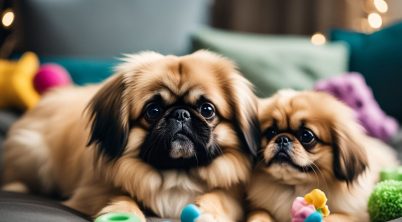
Training a Pekingese can feel challenging at first because this breed is both intelligent and independent. They are affectionate companions but often show a stubborn streak that requires patience and consistency. The key to successful Pekingese training is using positive reinforcement and a steady routine that builds trust and respect.
A well-trained Pekingese becomes easier to live with, more confident, and better able to interact with people and other pets. House training, leash manners, and crate comfort are all skills that shape daily life for both the dog and the family. With the right approach, even their natural watchdog instincts can be guided into positive behavior.
By understanding the Pekingese temperament and applying clear training methods, owners can create a balanced relationship with their dog. From basic obedience to advanced techniques, every step builds on consistent practice and rewards that motivate rather than punish. This foundation makes training not only effective but also enjoyable for both sides.
Table of Contents
Understanding Pekingese Temperament and Behavior
The Pekingese breed shows a mix of independence, loyalty, and caution. Their temperament influences how they respond to training, daily routines, and interactions with people and other animals. Recognizing these traits helps owners guide behavior in a way that is consistent and effective.
Pekingese Temperament Traits
The Pekingese temperament is often described as independent yet affectionate. They form close bonds with family members but may appear aloof with strangers. This combination makes them loyal companions while also giving them a reserved nature.
They are intelligent and capable of learning quickly, though they may not always choose to follow commands right away. Their stubborn streak means they prefer training sessions that are short, positive, and respectful of their personality.
Despite their small size, many display a confident and regal attitude. This can sometimes be mistaken for arrogance, but it is simply part of the breed’s natural character. They value routine and may resist sudden changes in environment or handling.
Owners should understand that the Pekingese breed thrives in calm households where their independence is respected, but affection and attention are also given consistently.
Common Behavior Challenges
Pekingese behavior can present challenges if not addressed early. One common issue is stubbornness, which may appear as ignoring commands or refusing to follow directions. This is not a sign of low intelligence but rather a reflection of their independent nature.
Another frequent challenge is house training. Their small size makes accidents more likely, and they need a steady routine to build good habits. Crate training and scheduled bathroom breaks are especially helpful.
Some Pekingese may also show possessive behavior over toys, food, or even certain family members. This guarding tendency can be reduced through training commands such as “leave it” and “drop it.”
Barking can also become a concern. They may alert frequently to noises or strangers. Consistent correction and redirection help manage this behavior without harsh punishment.
The Importance of Early Socialization
Early socialization plays a major role in shaping Pekingese behavior. Without it, they may become overly cautious or even defensive around new people and animals.
Introducing them to different environments, sounds, and situations during puppyhood helps reduce fear-based reactions later. Walks in varied locations, controlled playdates, and exposure to everyday household noises build confidence.
Positive reinforcement during these experiences is essential. Treats, praise, and calm encouragement teach the dog that new encounters are safe and rewarding.
Structured socialization also improves adaptability. A well-socialized Pekingese is more likely to remain calm in unfamiliar settings, making vet visits, grooming, and travel less stressful.
Owners who commit to steady, positive exposure during the first months often see lasting benefits in their Pekingese’s temperament and overall behavior.
Core Principles of Pekingese Training
Pekingese training requires patience, structure, and an understanding of their independent nature. Owners must focus on steady routines, clear communication, and realistic goals that match the breed’s temperament and abilities.
Establishing Consistent Routines
A Pekingese dog responds best when training follows a predictable pattern. Feeding, bathroom breaks, and practice sessions should happen at the same times each day. This helps reduce confusion and makes it easier for the dog to connect actions with outcomes.
Short, frequent sessions work better than long ones. For example, 5–10 minute sessions repeated 2–3 times daily keep the dog engaged without overwhelming it.
Consistency also applies to commands and rules. If one family member allows jumping on furniture while another does not, the dog becomes confused. Everyone in the household should follow the same guidelines.
Using a set routine for housebreaking, such as taking the dog outside after meals and naps, increases success. Over time, the Pekingese learns what to expect and adapts more quickly.
Building Trust and Communication
Trust forms the foundation of Pekingese training. These dogs can be wary of strangers and stubborn with owners who are harsh or inconsistent. A calm, steady approach encourages cooperation.
Positive reinforcement is especially effective. Rewards such as small treats, gentle praise, or short play sessions motivate the dog to repeat good behavior. Harsh corrections often backfire and may cause resistance.
Clear communication matters. Owners should use short, simple commands like sit, stay, or come. Tone of voice should remain firm but not angry. Body language, such as pointing or hand signals, can add clarity.
Regular socialization also builds trust. Exposing the dog to new people, pets, and environments in a controlled way reduces fear and helps the Pekingese feel more secure.
Setting Realistic Training Expectations
Pekingese training should match the breed’s temperament. These dogs are intelligent but easily bored, so expecting long sessions or rapid progress often leads to frustration.
Owners should start with basic commands before moving to advanced skills. A realistic first goal might be teaching the dog to respond to its name or to sit on command.
Progress may be slower than with more eager-to-please breeds. Patience is key. Breaking tasks into smaller steps helps the dog succeed and builds confidence.
Age and health also affect training. Puppies have shorter attention spans, while older dogs may need more time to adjust. Recognizing these limits prevents unrealistic expectations.
By setting achievable goals and celebrating small successes, owners create steady progress and a stronger bond with their Pekingese.
Positive Reinforcement Techniques for Pekingese
Training a Pekingese works best when rewards encourage desired behavior and corrections avoid harsh methods. Their independent nature requires patience, consistency, and motivation that fits their personality.
Using Treats and Praise Effectively
Treats are one of the most reliable tools for Pekingese training. Small, soft treats work best because they are easy to chew and do not distract from the lesson. Owners should reward the dog immediately after the correct behavior so the connection is clear.
Praise is just as important. A calm “good dog” or gentle petting reinforces success without relying only on food. Mixing treats with praise keeps the dog motivated while preventing overfeeding.
A simple approach is to use a reward schedule:
- Every time for new behaviors
- Every few times once the dog understands
- Occasional rewards to maintain the skill long-term
This balance ensures the Pekingese learns quickly but does not become dependent on food alone.
Avoiding Punishment-Based Methods
Pekingese are sensitive and can become fearful if training relies on punishment. Physical corrections or yelling often cause stress, which makes learning harder and damages trust.
Instead of punishing mistakes, trainers should ignore unwanted behavior and redirect the dog to the correct action. For example, if the dog barks for attention, the owner can wait for silence and then reward calm behavior.
Consistency matters. If one family member uses punishment while another uses rewards, the dog receives mixed signals. A unified approach based on positive reinforcement helps the Pekingese feel secure and understand expectations.
By focusing on rewards and redirection, owners build cooperation rather than resistance. This method also reduces frustration for both the dog and the trainer.
Motivating Independent Pekingese
The Pekingese breed often shows a stubborn or independent streak. This does not mean they cannot learn, but they may need extra motivation to stay engaged.
Short, frequent sessions work better than long lessons. Five to ten minutes of focused training prevents boredom and keeps attention high.
Variety also helps. Mixing treats, praise, toys, and play gives the dog different reasons to participate. Some Pekingese respond more to affection than food, so observing what excites the dog is key.
Owners should set realistic goals and celebrate small progress. For example, rewarding a partial attempt at “sit” encourages the dog to try again. Over time, these small steps build into consistent obedience without overwhelming the dog.
Teaching Basic Obedience and House Training
Training a Pekingese requires patience, short lessons, and consistent rewards. Clear commands, structured routines, and redirection of bad habits help shape reliable behavior in daily life.
Essential Obedience Commands
Basic obedience commands give structure and improve safety. Teaching sit, stay, come, down, and leave it helps owners manage their Pekingese in different settings. These commands also reduce stress for the dog since they know what is expected.
Short sessions of 10–15 minutes work best. Pekingese can be stubborn, so using positive reinforcement with small treats or praise keeps them engaged. Repetition builds understanding, but consistency across family members is just as important.
A simple table of useful commands:
| Command | Purpose | Example Use |
|---|---|---|
| Sit | Calm focus, control | Before meals or crossing streets |
| Stay | Safety and patience | Waiting at doors or during grooming |
| Come | Recall and safety | Calling back during walks |
| Leave it | Prevent unwanted contact | Dropped food or unsafe objects |
| Down | Promotes calm behavior | During visits or rest time |
House Training Strategies
House training a Pekingese works best with a predictable schedule. Puppies should go outside after waking, eating, or playing. Frequent trips outdoors reduce accidents and help them learn faster.
Owners should reward the dog immediately after successful elimination outside. A small treat or calm praise reinforces the behavior. Delays in reward make it harder for the Pekingese to connect action with outcome.
Crate training can support housebreaking. A properly sized crate encourages the puppy to hold its bladder until taken outside. Consistency matters more than speed, so patience is key.
Accidents will happen. Cleaning thoroughly with enzyme-based cleaners prevents lingering odors that may encourage repeat mistakes indoors.
Addressing Unwanted Behaviors
Pekingese may bark, chew, or resist commands if bored or confused. Instead of punishment, redirecting behavior works better. For example, give a chew toy when the puppy bites furniture or guide them to a mat when they bark excessively.
Consistency in redirection teaches limits without fear. Harsh corrections often damage trust and slow progress.
If unwanted behaviors continue, reviewing the training routine helps. Shorter, more engaging sessions or additional exercise may solve the problem. For stubborn issues, professional guidance can provide tailored solutions that match the dog’s temperament.
Leash and Crate Training for Pekingese
Training a Pekingese to walk calmly on a leash and rest comfortably in a crate requires patience and consistency. Both methods help manage their independent nature while giving them structure, safety, and a sense of routine.
Leash Training Fundamentals
Pekingese dogs are small, but they can be strong-willed. Starting leash training early helps reduce pulling and stubborn behavior. A lightweight harness is safer than a collar because it avoids pressure on their short necks and delicate airways.
Short, frequent sessions work best. Begin indoors or in a quiet yard before moving to busier areas. Reward calm walking with small treats or gentle praise. If the dog pulls, stop walking and wait until the leash loosens.
Consistency is key. Walking at the same pace and using a simple command such as “let’s go” reinforces expectations. Over time, this builds confidence and reduces stress during outdoor walks.
| Tip | Why it Helps |
|---|---|
| Use a harness | Protects breathing and prevents injury |
| Keep sessions short | Maintains focus and reduces frustration |
| Reward calm walking | Encourages repeat behavior |
Crate Training Steps
A crate should feel like a safe resting space, not a punishment. The right size crate allows the Pekingese to stand, turn, and lie down comfortably without extra space for accidents.
Start with positive introductions. Place the crate in a common room and add a soft blanket or towel. Encourage the dog to explore it freely with the door open. Feeding meals inside the crate helps create a positive link.
Gradually increase the time spent inside. Begin with a few minutes and extend slowly, always ending on a calm note. Never leave the dog crated for more than 3–4 hours during the day, especially as a puppy.
Avoid using the crate for discipline. Keeping the association positive ensures the Pekingese views the crate as a secure retreat rather than confinement.
Transitioning to Independence
Once a Pekingese becomes comfortable with leash and crate routines, the next step is reducing reliance on constant supervision. This transition helps the dog handle short periods alone without stress.
For crate use, slowly extend the time the dog spends outside the crate in safe spaces. Offer a designated bed or mat as an alternative resting spot.
During leash walks, practice calm behavior without constant treats. Shift to verbal praise or gentle petting as reinforcement. This prevents overdependence on food rewards.
If signs of separation anxiety appear, such as whining or destructive behavior, shorter training intervals may be needed. In some cases, consulting a trainer or behavior specialist can help guide the process.
Advanced Tips and Ongoing Training Success
Training a Pekingese does not end once they learn the basics. Owners need to reinforce good habits and provide steady guidance to prevent stubborn or unwanted behaviors from returning. Long-term success relies on consistency, patience, and continued exposure to different environments.
Maintaining Good Behavior
A Pekingese responds best when owners keep rules clear and consistent. If the dog is allowed on furniture one day but scolded the next, confusion sets in. Clear boundaries help reduce stubborn behavior and make commands easier to follow.
Positive reinforcement remains the most reliable method. Using small treats, praise, or short play sessions as rewards keeps the dog motivated. Punishment or harsh corrections often backfire with this breed, leading to resistance.
Ongoing training sessions should be short and frequent. Five to ten minutes a day is usually enough to refresh commands like sit, stay, or come. Owners can also add new tricks to keep the dog mentally active.
Consistency between family members matters. Everyone in the household should use the same commands and rules. This prevents mixed signals and strengthens obedience.
Socialization Throughout Life
Pekingese dogs often show caution around strangers and other pets. Early socialization helps, but it should not stop after puppyhood. Regular exposure to new people, places, and sounds keeps them adaptable and less likely to develop anxiety.
Owners can plan controlled introductions with calm dogs or invite visitors to interact gently. Rewarding calm behavior during these moments reinforces confidence.
Walks in different neighborhoods, short car rides, or visits to pet-friendly stores give the dog variety. These experiences reduce fear of unfamiliar situations.
Structured playdates or group training classes also support ongoing socialization. When done gradually, these activities help the Pekingese remain friendly and secure throughout life.