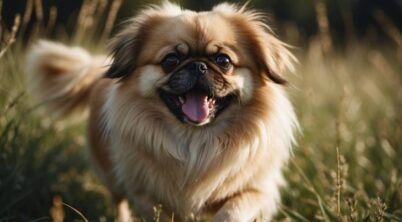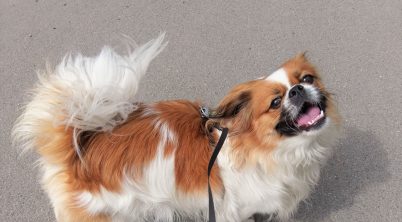
The Pekingese Poodle mix, often called the Peekapoo, is a small designer dog that combines the unique traits of both the Pekingese and the Poodle. Peekapoos are known for their affectionate personality, low-shedding coats, and compact size, which makes them a popular choice for families and apartment dwellers.
This mix usually weighs between 10 to 20 pounds and stands around 7 to 11 inches tall. Peekapoos come in many coat colors and often have a soft, wavy coat that can be easier to manage than some other breeds.
Many people are drawn to the Peekapoo for its friendly nature and adaptability. These dogs can be loyal companions, offering a great mix of intelligence from the Poodle and the charm of the Pekingese.
Table of Contents
What Is a Pekingese With Poodle Mix?
A Pekingese with Poodle mix is a crossbreed dog that combines traits from both the Pekingese and the Poodle. This hybrid is known for its small size, unique appearance, and affectionate personality.
Origins and History
The Pekingese Poodle mix, also called the Peekapoo, originated in the United States during the 1950s. Breeders wanted to create a companion dog with the low-shedding coat of the Poodle and the bold personality of the Pekingese. Most Peekapoos are a first-generation cross, meaning their parents are one purebred Pekingese and one purebred Poodle, usually a Toy or Miniature size.
The Pekingese itself was bred to be a royal companion in China for centuries, adored for its lion-like looks and loyal temperament. The Poodle has roots in Europe, where it was developed as a skilled hunting and retrieving breed but is also known for intelligence and trainability. By mixing these breeds, the goal was to offer families a hypoallergenic and loving lapdog.
Peekapoos were among the earliest “designer dogs,” which became popular as people searched for pets with specific, balanced traits. Unlike mixed breeds with long, undocumented histories, this cross was developed intentionally to address the needs of allergy sufferers seeking a loyal but manageable pet.
Naming Variations
The Pekingese Poodle mix is known by several names. The most common is Peekapoo, but other names include Peke-a-Poo, Pekepoo, and Pekingese Poodle Mix. These names are generally interchangeable, though “Peekapoo” is used most often in breed guides and by breeders.
Some people may refer to this dog as a “doodle,” a term usually connected with Poodle crosses like the Labradoodle or Goldendoodle. However, “Peekapoo” has been in use longer than many designer dog labels. Each name describes the same mix, but it can be helpful to know the synonyms when searching for information or a reputable breeder.
Here is a simple table of naming variations:
| Name | Also Known As |
|---|---|
| Peekapoo | Peke-a-Poo, Pekepoo |
| Pekingese Poodle Mix | Pekingese x Poodle |
| Pekepoo | Peekapoo |
Designer Dog Classification
The Peekapoo is considered a designer dog. Designer dogs are intentional crosses between two purebred breeds, created to combine specific desired traits. In the case of the Pekingese Poodle mix, breeders focused on a hypoallergenic coat and a friendly, loyal disposition.
Unlike random mixed breeds, designer dogs have a traceable lineage and are bred for certain results. The Peekapoo does not have official recognition from kennel clubs like the American Kennel Club (AKC), since it is not a purebred dog. However, it is often recognized by hybrid breed registries and clubs.
Designer dogs like the Peekapoo became popular in the latter half of the 20th century, especially among city dwellers and families with allergies. They are known for being affectionate companion animals and often fit well in small homes or apartments. The Peekapoo’s size ranges from about 10 to 20 pounds and about 11 inches tall. Its appeal comes from its combination of low shedding, intelligence, and a charming personality.
Appearance and Size
The Pekingese with Poodle, commonly called the Peekapoo, stands out due to its charming look and compact build. These dogs show a variety of features and sizes influenced by their Pekingese and Poodle parents.
Physical Traits
Peekapoos usually have a round head, short muzzle, and expressive, dark eyes. Their ears may be floppy like a Poodle or set higher like a Pekingese. The face sometimes appears flatter when they inherit more from the Pekingese side, but it may be longer if the Poodle side is dominant.
The body is small and sturdy, with legs that can be either straight or slightly bowed. Some dogs display a noticeable plume tail that curls over their back, while others have a tail more like a Poodle, held down or up in a gentle arc. Their overall look is cute and friendly, making them attractive to families and singles alike.
A table below compares key features:
| Feature | Inherited From | Typical Description |
|---|---|---|
| Head Shape | Both | Round or slightly elongated |
| Eyes | Both | Dark, round, alert |
| Ears | Both | Floppy or high-set |
| Tail | Both | Plumed or curved |
Coat Types and Colors
The coat of a Peekapoo can be wavy, curly, or straight, depending on which parent is more dominant. Those with more Poodle traits are likely to have curly or wavy coats, which can be low-shedding and may be better for allergy sufferers. Pekingese traits create longer, straighter fur that’s prone to tangling and requires extra care.
Peekapoos come in a wide range of colors, such as cream, black, apricot, gray, and white. Some have multi-colored or spotted patterns. Their skin is usually soft, and the fur feels plush or silky to the touch.
Regular grooming is important, especially for those with longer, denser coats. Brushing a few times a week helps keep the coat tidy and reduces matting.
Peekapoo Size Variations
Peekapoo size depends on the Poodle parent, which is usually a Miniature or Toy Poodle. Dogs bred from Toy Poodles can be as small as 10 inches at the shoulder and weigh 4 to 12 pounds. Those bred from Miniature Poodles are usually a bit larger, standing up to 12 inches tall and weighing between 10 and 20 pounds.
Pekingese parents themselves are a small breed, so most Peekapoos remain in the “toy” or “small” dog range. The table below summarizes common ranges:
| Parent Breeds | Height | Weight |
|---|---|---|
| Toy Poodle x Pekingese | 10 in or less | 4-12 lbs |
| Mini Poodle x Pekingese | 10-12 in | 10-20 lbs |
This mix’s adaptable size makes them well-suited to apartments or small homes, as well as families looking for a smaller companion.
Temperament and Personality
The Pekingese with Poodle, often called the Peekapoo, combines traits from both breeds. This mix tends to be loyal, bright, and alert, making them caring companions for families and individuals.
Family Compatibility
Peekapoos are known for forming strong bonds with family members. They are loyal and tend to crave attention from their people. Many owners notice these dogs become especially attached to one or two family members, following them from room to room. They are generally gentle and patient with children.
Because both parent breeds enjoy human company, Peekapoos do best in homes where someone is often around. Long hours alone may lead to anxious behaviors like barking or chewing. Families should be ready for a dog that enjoys cuddle time and wants to be included in daily routines.
Proper socialization from puppyhood is important. This will help them grow comfortable with children of different ages and prevent fearful or overprotective behavior. Supervision with very young children is still recommended due to the dog’s small size.
Interaction With Other Pets
Peekapoos often get along well with other pets, especially if raised with them from a young age. Their Poodle parent adds friendliness, while the Pekingese side may bring out some independence. Early introductions help produce the best results. Gradual meetings, positive experiences, and treats promote comfort with new animals in the home.
While many Peekapoos adapt well to dogs and cats, some may show guarding behavior over toys or space. Owners should monitor initial encounters and practice sharing to prevent problems. Regular group playtimes and walks provide social opportunities and reduce the risk of possessive habits.
These dogs are less likely to have strong prey drives compared to some doodle mixes. Small pets like hamsters or birds should still be supervised, but most will not be seen as prey.
Behavioral Traits
A Peekapoo’s behavior combines intelligence, bravery, and a loving nature. They inherit the Poodle’s quick learning ability, which helps in training. This dog usually responds well to praise, treats, and games, making teaching basic commands simple. Consistency is key, as the Pekingese side may bring a stubborn streak.
Peekapoos alert their owners to new visitors or sounds, often barking to announce strangers. This makes them effective watchdogs despite their small size. Early training can help control nuisance barking and teach when it is appropriate.
These dogs enjoy play but do not need intense exercise. Short walks and play sessions meet their needs. Peekapoos value routine and can become anxious with sudden changes or rough handling. Gentle, positive reinforcement keeps them feeling safe and confident.
Care, Grooming, and Training
The Peekapoo, a mix of Pekingese and Poodle, needs regular grooming, daily exercise, and patient training. Caring for this breed is important for its health and happiness.
Grooming Requirements
Peekapoos often have soft, wavy, or curly coats. Their hair can tangle or mat if not cared for properly. Regular brushing—ideally every other day—prevents knots and keeps their fur clean and healthy.
Professional grooming every 6-8 weeks is recommended. This helps trim their coat, clean their ears, and check for skin problems. Keeping nails clipped is important for comfort and health.
Their eyes may water often, especially in Peekapoo puppies, so it is good practice to wipe under their eyes daily. Bathing should be done about once a month, or when they get dirty, using a gentle dog shampoo.
Grooming Checklist:
- Brush coat every other day.
- Schedule professional grooming every 1-2 months.
- Wipe face and eyes daily.
- Trim nails regularly.
Exercise Needs
Peekapoos are playful but do not require a lot of exercise. About 30 minutes to 1 hour of daily activity is enough for most. This can include walks, supervised playtime in a yard, or gentle games indoors.
Mental stimulation is also important. Puzzle toys or short training sessions keep their smart Poodle side engaged. Puppies need even shorter play sessions because they tire quickly.
These dogs adapt well to different living spaces. Apartment or home, they need only a small area for activity and access to fresh water. Avoid forcing them to exercise in hot weather, as they may overheat more easily.
Exercise Ideas:
- Two short walks a day.
- Indoor fetch or tug-of-war.
- Food puzzles and learning new tricks.
Training Tips
Peekapoos are intelligent thanks to their Poodle parent, but can sometimes be stubborn like Pekingese. Start training and socialization early, especially with Peekapoo puppies.
Use positive reinforcement methods such as treats and praise. Short, upbeat training sessions work best. Patience is key; some Peekapoos may resist house training or basic commands at first.
Consistency helps. Have a regular routine and clear rules. Expose dogs to different people, pets, and places from a young age to prevent fear or shyness. Crate training can help with housebreaking and offers them a safe space.
Training Points:
- Use treats and praise for motivation.
- Keep sessions short and frequent.
- Socialize with other dogs and people.
- Stick to routines for best results.
Health and Lifespan
The Pekingese Poodle mix, also known as the Peekapoo, can live a long and joyful life with careful attention to its health. Owners should be aware of specific health concerns and genetic issues that can influence their dog’s well-being and lifespan.
Common Health Issues
Peekapoos may inherit health concerns from both the Pekingese and Poodle breeds. One frequent issue is eye problems like cataracts and progressive retinal atrophy, which can lead to vision loss as the dog ages. Some Peekapoos may develop breathing difficulties, especially if they inherit the flat face (brachycephalic) trait from the Pekingese side. This can mean noisy breathing or trouble with exercise in hot weather.
Dental problems are common and can include tooth loss and gum disease. Regular tooth brushing and dental cleanings help reduce these risks. Owners should watch for signs of allergies and skin irritations, as some individuals can be sensitive to certain foods or grooming products.
A simple list of common health issues:
- Eye conditions (cataracts, PRA)
- Breathing difficulties (brachycephalic traits)
- Dental disease
- Allergies and skin sensitivities
Patellar Luxation and Hip Dysplasia
Patellar luxation is a common problem in small breeds like the Peekapoo. It happens when the kneecap moves out of place, which can cause pain or limping. Dogs with mild cases may only have occasional problems, but severe cases can require surgery.
Hip dysplasia is less common than patellar luxation but still a concern. It is a condition where the hip joint does not fit together correctly. Over time, this can lead to arthritis and trouble walking. Genetic testing and responsible breeding practices can help reduce the risk, but it is still important for owners to notice early signs, such as difficulty standing up, stiffness, or a change in walk.
Providing regular, low-impact exercise can help keep muscles strong and joints healthy. Maintaining a healthy weight is also important, as extra weight adds stress to bones and joints.
Expected Lifespan
A well-cared-for Peekapoo usually lives 10 to 15 years. Many factors can affect lifespan, including genetics, diet, exercise, and regular veterinary care. Keeping up with vaccinations, parasite prevention, and routine check-ups can help catch illnesses early.
Older Peekapoos might develop age-related health problems like arthritis or heart disease. With proper medical care and a healthy lifestyle, many Peekapoos remain energetic and friendly well into their senior years.
Below is a table summarizing key factors for longevity:
| Factor | Impact on Lifespan |
|---|---|
| Genetics | High |
| Diet & Nutrition | High |
| Exercise & Activity | Moderate |
| Regular Vet Check-Ups | High |
| Weight Management | High |
Peekapoo owners should focus on these areas to give their pet the best chance at a long, happy life.
Peekapoo Puppies and Finding a Breeder
Peekapoo puppies are a designer dog mix that brings together the Pekingese and Poodle. People interested in this breed should focus on finding an ethical breeder, learning basic puppy care, and also considering adoption rather than just buying.
Choosing a Responsible Breeder
A responsible breeder should prioritize the health and well-being of their peekapoo puppies. They provide health clearances for both the Poodle and Pekingese parents, testing for common genetic diseases. Clean living environments and early socialization are essential.
Ask for a chance to meet the puppies and their parents. Legitimate breeders will answer any questions about the pekingese poodle mix and share references from previous buyers. They should give copies of vaccination records and be open about their breeding history.
Warning signs include breeders with multiple litters available at the same time or those unwilling to let buyers see where the puppies are raised. Good breeders ask buyers questions to be sure the puppies are going to good homes.
Peekapoo Puppy Care
Peekapoo puppies need regular grooming due to their wavy or curly coats, which may shed little but can still mat if not brushed often. Bathing every few weeks, trimming nails, and checking ears help keep hygiene in check.
This pekingese poodle mix is usually playful but may inherit stubbornness, so gentle training and daily play are important. Early puppy classes, socialization with new people, and positive reinforcement promote healthy behavior.
Nutrition Table:
| Age | Food Type | Meals per Day |
|---|---|---|
| 8-12 weeks | Puppy kibble (small) | 3-4 |
| 3-6 months | Puppy kibble/wet food | 3 |
| 6+ months | Small breed adult food | 2 |
Check-ups at the vet and parasite prevention are also recommended. Because peekapoo puppies can be sensitive, families should supervise interactions with small children.
Rescue and Adoption
Adopting a peekapoo, or a similar designer dog like a maltipoo, is a good way to give a home to a dog in need. Many breed-specific rescues and animal shelters sometimes have pekingese poodle mixes and other small dogs available for adoption.
Adoption might mean the dog is older or has an unknown history, but shelters can provide details about temperament and health. The adoption process usually involves an application, interview, and adoption fee.
Families who choose adoption may receive support for the transition period. Rescuing a peekapoo helps reduce the number of pets in shelters and can be a rewarding decision for those seeking companionship.