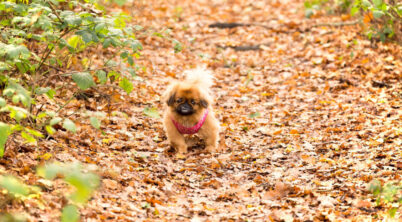
The Pekingese x Pomeranian mix, commonly called a Peek-A-Pom or Pominese, is a designer toy breed that combines two ancient companion dogs into one small package. This crossbreed typically weighs between 7 to 14 pounds and stands 7 to 11 inches tall, inheriting the fluffy coat, affectionate nature, and bold personality of both parent breeds. These dogs make devoted companions for the right owners who understand their unique care requirements.
The Peek-A-Pom brings together the regal, independent Pekingese with the lively, fox-faced Pomeranian. Both parent breeds originated as companions to royalty and nobility, with the Pekingese tracing back over 2,000 years in China and the Pomeranian developing in central Europe’s Pomerania region. This heritage contributes to the mix’s confident temperament and need for attention.
This article explores what potential owners need to know about the Pekingese Pomeranian mix, from their personality traits and grooming needs to health considerations and where to find one. Understanding these aspects helps determine whether this charming hybrid suits a particular household and lifestyle.
Table of Contents
Overview of the Pekingese x Pomeranian Mix
This designer breed combines two ancient toy dog lineages into a compact companion that typically weighs between 7 to 14 pounds and stands 6 to 11 inches tall at the shoulder. The mix inherits traits from both parent breeds, creating a dog with distinct physical features and a notable personality.
Hybrid Names and Recognition
The Pekingese x Pomeranian mix goes by several names in the dog breeding community. Peek-A-Pom is the most commonly used designation, though Pominese, Peekapom, and Peke-a-Pom are equally valid alternatives. These various names all refer to the same crossbreed between a Pekingese and a Pomeranian.
This hybrid is not recognized by the American Kennel Club as it is a mixed breed rather than a purebred dog. The Pomeranian received AKC recognition in 1888, while the Pekingese followed in 1906. Despite lacking official breed status, the Peek-A-Pom has gained attention as a designer dog breed in recent decades.
Origin and Breed History
The Pomeranian and Pekingese mix is a relatively recent hybrid with limited documentation regarding its specific creation. The parent breeds bring substantially different backgrounds to this cross. The Pomeranian originated in the Pomerania region of central Europe as a small toy breed known for its fluffy coat and lively temperament.
The Pekingese has a far more ancient lineage, dating back over 2,000 years in China. This breed was developed as a companion dog for Chinese royalty and is characterized by its lion-like appearance and regal bearing. The intentional crossing of these two breeds aimed to create a small companion dog that combines desirable traits from both lineages while potentially reducing certain breed-specific health issues.
Physical Characteristics
The Pekingese Pomeranian mix displays a small to medium build within the toy dog category. Weight ranges from 7 to 14 pounds, with height at the shoulder measuring between 6 to 11 inches. The coat is consistently fluffy and can vary in length depending on which parent breed contributes more genetically.
Common coat colors include:
- Black
- White
- Brown
- Orange
- Combination patterns
The mix typically features erect ears, button-shaped eyes, and a dark muzzle. One notable advantage of this crossbreed is a slightly elongated muzzle compared to purebred Pekingese, which can reduce breathing difficulties and snoring common in flat-faced breeds. The coat may be a double coat inherited from the Pomeranian side or a longer single coat from the Pekingese lineage, both requiring regular grooming maintenance.
Temperament and Personality
The Pekingese Pomeranian mix combines the independent nature of the Pekingese with the lively, attention-seeking personality of the Pomeranian. These dogs are devoted to their families but can be vocal and willful when they want something.
Family Compatibility
The Peek-a-pom makes a suitable family pet for households that understand their needs. They tolerate children best when treated gently and with respect. Their small size means they are not suited for roughhousing or overly energetic play.
Homes with older children who can interact appropriately are ideal for this mix. These dogs demand attention and affection from their owners, a trait inherited from both parent breeds’ aristocratic backgrounds. They thrive with owners who can provide consistent love and companionship throughout the day.
The Pominese forms strong bonds with family members and becomes incredibly devoted. They make effective watchdogs due to their loyal nature and will alert owners when strangers approach. However, they can be territorial, which requires consideration in multi-pet households.
Behavior with Other Pets
Peekapoms can be territorial and may not suit homes with multiple dogs. Their independent streak, combined with a tendency to demand attention, can lead to conflicts with other pets competing for the same resources.
Early introduction to other pets increases the chances of peaceful coexistence. The mix can coexist with other animals when properly socialized, though they may prefer being the only pet. Their reserved nature with strangers extends to unfamiliar animals as well.
These dogs may display jealous behaviors if they feel their position in the household is threatened. Supervision during interactions with other pets is recommended, particularly during the initial adjustment period.
Training and Socialization
Early socialization is vital to prevent behavioral issues like excessive barking or nippiness. The Pekingese Pomeranian mix can be stubborn and independent, making consistent training essential from puppyhood.
These dogs require plenty of mental stimulation to prevent boredom and destructive behavior. Their intelligence means they can learn commands, but their willful nature may lead to selective listening. Short, engaging training sessions work better than lengthy ones.
The mix responds best to positive reinforcement methods rather than harsh corrections. They need regular exercise and interactive activities to channel their moderate playfulness appropriately. Without proper socialization, they may develop territorial behaviors or become overly vocal when encountering new situations or people.
Grooming and Coat Care
The Pomeranian Pekingese mix requires consistent grooming due to its dense, fluffy coat that can inherit characteristics from either parent breed. Regular maintenance prevents coat problems and keeps this small dog comfortable and healthy.
Daily Brushing Requirements
Daily brushing is essential for the Pomeranian Pekingese mix to maintain coat health and prevent tangles. This crossbreed typically has a thick double coat that sheds moderately throughout the year and more heavily during seasonal changes.
Owners should use a slicker brush or pin brush to work through the coat systematically. Start at the skin and brush outward in the direction of hair growth, paying special attention to areas behind the ears, under the legs, and around the tail where tangles form most easily.
A metal comb with both wide and narrow teeth helps finish the grooming session by catching any remaining small knots. Sessions typically take 10-15 minutes when performed daily, but can extend to 30 minutes or more if brushing is skipped for several days.
Preventing Matting and Shedding
The Pomeranian Pekingese mix is prone to matting due to its long, dense fur. Mats form when loose hair tangles with attached hair and can cause skin irritation or pain if left unaddressed.
Problem areas that require extra attention include:
- Behind and inside the ears
- The chest and underarms
- The rear legs and sanitary areas
- The base of the tail
When mats do form, owners should work them out gently with fingers before attempting to brush. A detangling spray or leave-in conditioner helps loosen stubborn knots. Never cut mats out with scissors as this risks injury to the dog’s delicate skin.
Regular brushing significantly reduces shedding by removing loose undercoat before it falls throughout the home. During heavy shedding seasons in spring and fall, increasing brushing to twice daily helps manage the increased hair loss.
Bathing and Maintenance
The Pomeranian Pekingese mix needs bathing every 3-4 weeks to keep the coat clean without stripping natural oils. More frequent bathing can dry out the skin and lead to irritation.
Before bathing, thoroughly brush out the entire coat to remove any tangles or mats, as water makes these problems worse. Use a gentle, dog-specific shampoo and warm water, working the product through the coat down to the skin. A conditioner formulated for long-haired breeds helps keep the coat manageable between grooming sessions.
After bathing, towel dry as much moisture as possible before using a blow dryer on a low, cool setting. Brush while drying to prevent the coat from drying in clumps or tangles.
Additional maintenance includes trimming nails every 2-3 weeks, cleaning ears weekly to prevent infections, and brushing teeth several times per week to maintain dental health.
Health and WellnessThe Pekingese Pomeranian mix inherits potential health vulnerabilities from both parent breeds, requiring owners to stay vigilant about preventive care and regular veterinary checkups. Understanding their exercise requirements and typical lifespan helps ensure these small companions receive appropriate care throughout their lives.
Common Health Concerns
The Pomeranian Pekingese mix faces several breed-specific health issues that prospective owners should monitor closely. Patellar luxation ranks among the most common orthopedic problems, occurring when the kneecap slips out of its normal position and causes lameness or abnormal gait. This condition affects many small dog breeds and may require surgical intervention in severe cases.
Intervertebular disc disease poses another significant risk for this crossbreed. The compact body structure inherited from both parent breeds puts extra pressure on spinal discs, potentially leading to pain, nerve damage, or paralysis. Owners should discourage excessive jumping and provide ramps or steps for furniture access.
Additional health concerns include:
- Dental problems due to crowded teeth in small mouths
- Eye issues such as cataracts and progressive retinal atrophy
- Respiratory difficulties from brachycephalic features
- Heart conditions including mitral valve disease
Regular veterinary examinations every six months help catch these conditions early when treatment proves most effective.
Exercise Needs
Despite their small stature, the Pekingese Pomeranian mix requires daily physical activity to maintain healthy weight and mental stimulation. A total of 20 to 30 minutes of exercise per day suffices for most dogs, split into two or three shorter sessions.
Short walks around the neighborhood provide adequate activity without overexertion. Indoor play sessions with toys offer alternative exercise during extreme weather. These dogs possess moderate energy levels but tire more quickly than larger breeds, making them suitable for apartment living or homes without large yards.
Life Expectancy
The Pominese typically lives between 12 to 16 years when provided with proper nutrition, healthcare, and living conditions. This lifespan aligns with expectations for small toy breeds. Genetics, diet quality, exercise routines, and preventive veterinary care all influence longevity. Dogs receiving consistent medical attention and maintaining healthy body weight throughout their lives often reach the upper end of this range.
Diet and Nutrition
Peek-A-Poms require a carefully balanced diet tailored to their small size and energy needs, with feeding schedules that prevent weight gain while supporting their active lifestyle. Quality proteins and controlled portions form the foundation of proper nutrition for this toy breed mix.
Recommended Feeding Schedules
Adult Peek-A-Poms thrive on three small meals a day rather than one or two larger portions. This feeding pattern helps maintain stable blood sugar levels and prevents bloat, which can affect small breeds. The total daily food intake typically ranges from 1/2 to 1 cup of high-quality dry food, divided evenly across meals.
Puppies require more frequent feeding, usually three to four meals daily to support their growth and high energy levels. As the dog matures, owners can transition to the adult feeding schedule around 12 months of age.
Feeding times should remain consistent each day to establish routine and aid digestion. Morning, midday, and evening meals work well for most households and align with the dog’s natural metabolism.
Suitable Diet for Peek-A-Poms
The ideal diet for a Peek-A-Pom centers on high-quality animal proteins as the primary ingredient, with real meat like chicken, beef, or fish listed first on the label. The food should contain moderate fat levels, including omega-3 and omega-6 fatty acids for coat health and energy.
Complex carbohydrates such as sweet potatoes, brown rice, and oats provide sustained energy without causing weight gain. The diet must include essential vitamins and minerals to support immune function, bone strength, and overall health.
Owners can choose between dry kibble, wet food, or a combination of both. Dry food offers dental benefits by reducing plaque buildup, while wet food provides additional hydration and palatability. Both options should meet AAFCO nutritional standards for small breeds.
Treats should constitute no more than 10% of daily caloric intake. Healthy options include small pieces of lean meat, carrots, or apple slices rather than high-calorie commercial treats.
Adoption and Finding a Peek-A-Pom
Finding a Peek-A-Pom requires careful research to ensure a healthy, well-adjusted companion. Prospective owners should prioritize responsible breeders who conduct health screenings and avoid supporting puppy mills or unethical breeding operations.
Choosing a Responsible Breeder
A responsible breeder will provide complete health records and allow visits to see the puppy’s living conditions. They should conduct cardiac and patellar luxation evaluations, along with eye exams, as recommended for Pomeranians. The breeder must answer questions about both parent breeds and provide documentation of health screenings.
Red flags include breeders who refuse home visits, lack health certificates, or have multiple litters available simultaneously. Reputable breeders typically have waiting lists and carefully screen potential buyers to ensure suitable homes.
Key Questions to Ask:
- What health tests have been performed on the parents?
- Can you meet both parent dogs?
- What is your experience breeding Pekingese and Pomeranian mixes?
- Do you offer a health guarantee?
Rescue organizations like Colorado Peke and Pom Rescue also offer Peek-A-Poms and Pominese dogs needing homes. Adoption fees are typically lower than breeder prices and include initial veterinary care.
What to Expect with a New Puppy
New Peek-A-Pom puppies require immediate veterinary examination and a feeding schedule of three small meals daily to maintain stable blood sugar levels. Their long, thick coat needs daily brushing from the start to prevent matting and establish grooming routines.
Early socialization prevents behavioral issues like excessive barking or nippiness. Owners should introduce the puppy to various people, sounds, and environments during the critical first months. These dogs bond strongly with their owners and require consistent attention.
Potty training can be challenging with small breeds. Establishing a regular schedule and using positive reinforcement yields the best results. The puppy will need a comfortable bed, appropriately sized toys, and a safe space away from larger pets or young children who might play too roughly.