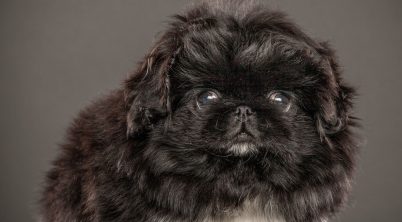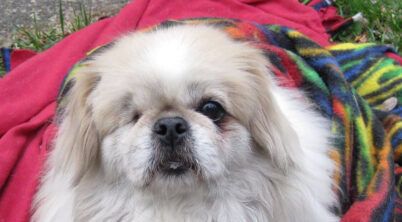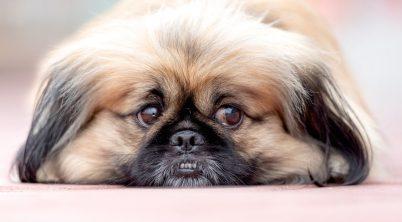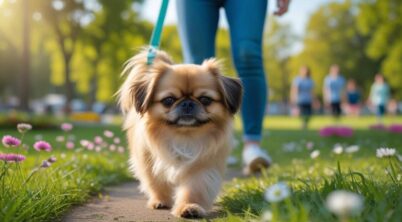
The Pekingese is a small dog with a proud, almost regal attitude. Known for its ties to ancient Chinese royalty, this breed carries itself with dignity and confidence. Pekingese dogs are affectionate, loyal, and independent, making them both loving companions and strong-willed family members.
People who know the Pekingese well understand that these dogs can be both charming and a bit stubborn. Their bold personality shows in how they interact with their families and even other pets. Their unique combination of social friendliness and independence gives them a special appeal for those seeking a self-assured and affectionate dog.
Table of Contents
Key Personality Traits of Pekingese Dogs
Pekingese dogs show distinct personality traits that set them apart from many other breeds. They are loving yet independent, display a regal confidence, and are very aware of their owner’s feelings.
Loyalty and Devotion
The Pekingese breed is well-known for its strong loyalty to family members. They tend to form close attachments and develop deep bonds with people in their household. These dogs are often affectionate, seeking out the company of those they trust.
Pekingese dogs may follow their favorite person from room to room but are rarely demanding. They can be quite protective and may act as little watchdogs, alerting their owners if someone unfamiliar approaches. This sense of loyalty sometimes means they are wary of strangers and new situations.
They do best in stable environments where routines are followed. It is not uncommon for them to prefer one or two special people over larger groups, and they can be standoffish with guests. Their devotion makes them a steady companion for families and individuals alike.
Key Points:
- Form strong bonds with owners
- Prefer familiar people and routines
- Can be protective
Independence and Self-Reliance
Independence is one of the most noticeable traits in Pekingese temperament. Unlike some breeds that always want attention, Pekingese are comfortable spending time alone. They value their own space and can keep themselves occupied.
Pekingese dogs often make decisions without looking for approval, which sometimes shows as stubbornness. Owners should remember that this breed may not always listen right away, especially if it feels pressured.
Their independent nature goes back to their history as palace dogs, where they were surrounded by royalty but not expected to perform tricks or routines. This self-reliance means they can be left alone for short periods without much stress, though they still need regular companionship.
Table: Common Signs of Independence in Pekingese
| Behavior | What It Means |
|---|---|
| Enjoys alone time | Prefers rest in a quiet spot |
| Selective attention | Listens when interested |
| Low separation anxiety | Doesn’t panic when left briefly |
Confidence and Dignity
Pekingese carry themselves with confidence and show a proud, dignified presence. This is partly because of their background as companions to Chinese royalty. Their walk is steady and their posture upright, often described as “lion-like” in both look and attitude.
These dogs are not easily intimidated, even when around much larger dogs. They tend to greet new situations with measured curiosity rather than excitement or fear.
While the Pekingese breed is small, its temperament is bold. They are not submissive and won’t back down easily if they feel challenged. Owners notice that Pekingese keep their heads held high and move at their own pace, never rushing to please anyone.
List: Signs of Confidence in Pekingese
- Upright, steady walk
- Lack of fear in new environments
- Calm response to unfamiliar people or pets
Sensitivity and Emotional Awareness
Pekingese dogs are sensitive and pick up on the feelings of people around them. They notice changes in tone of voice and body language. This makes them excellent comfort animals for owners who want a pet that understands when something is wrong.
Their sensitivity means they may be cautious around loud noises or sudden changes in the home. They appreciate gentle handling and calm voices. When treated with kindness, Pekingese respond by being affectionate and attentive.
Negative feedback or harsh discipline does not work well with this breed. Instead, positive reinforcement brings out their best qualities. Their emotional awareness helps them form strong, trusting relationships but can make them reserved with those they do not know well.
Traits:
- Reacts to moods and emotions
- Needs gentle, patient training
- Best with soft voices and calm homes
Protective and Watchdog Instincts
Pekingese dogs are known for their protective behavior, often surprising owners with their fearlessness and vigilance. Their temperament includes a strong sense of loyalty to family, making them natural watchdogs despite their small size.
Alertness and Territoriality
Pekingese are highly alert and notice even small changes in their environment. They are quick to respond to new sounds and movements, often barking to signal anything unusual. These dogs are not timid and will stand their ground when they sense their home is threatened.
Their protective attitude extends to their territory. A Pekingese often views the home as its domain. It will patrol the space, sometimes following family members from room to room. If they spot something out of place, whether it’s a strange noise or a new object, they react quickly.
Their confidence is strong, and even though they are small, Pekingese are not easily intimidated. This behavior is rooted in their history as companions to Chinese royalty, where they served as both lap dogs and alert guardians. Consistent routines and boundaries help them feel secure, which reduces unnecessary barking.
Suspicion Toward Strangers
Pekingese are naturally suspicious of strangers, both human and animal. When someone new approaches, they are likely to approach with caution and may bark until they see there is no threat. This reaction is not out of aggression, but from a need to protect their family.
They typically form strong attachments to their household but take time to warm up to outsiders. If approached directly by a stranger, a Pekingese may retreat or hold its ground, depending on its individual temperament. Early socialization helps manage this suspicious streak.
Even with good training, a Pekingese may always show some hesitation around new faces. Some owners find this trait helpful for home security, as the Pekingese will alert them quickly if someone unfamiliar tries to enter their space. This loyalty and alertness make the breed a devoted, if sometimes wary, companion.
Variations by Gender: Male vs. Female Pekingese Temperament
Pekingese dogs have differences in behavior and temperament based on gender. Males and females each show unique patterns in dominance, affection, and social roles.
Dominant and Affectionate Males
Male Pekingese dogs are often more assertive about their territory and can be more outgoing in their interactions. Many males like to mark their space, especially if unneutered. This marking can happen both indoors and outdoors.
Males tend to form close bonds with their main caretaker. They are usually affectionate and may seek frequent attention from their favorite people. Despite their loving nature, some males show a stubborn side and may try to be the pack leader if not given clear rules.
In homes with other male dogs, competition can sometimes become an issue. Early socialization and firm training help curb unwanted dominant behaviors. Males are often more predictable when it comes to mood and routine, sticking closely to family members and routines they know.
Neutering male Pekingese can reduce undesirable behaviors like excessive marking. Owners who want a loyal, outgoing dog might appreciate the nature of males, but should be prepared for their strong-willed personality.
Maternal and Selective Females
Female Pekingese show a more independent attitude. Many females are selective with their affection and may choose favorites within the household. They are often careful about which people or pets they interact with closely.
Females sometimes show a maternal instinct, especially around puppies or young children. During their heat cycles, which happen about twice a year if unspayed, some females become more reserved or moody. Spaying eliminates the heat cycle and can make temperament more stable.
Female Pekingese may not always seek attention as openly as males, but often form a deep bond with one or two people. In group settings, females may be calmer and less demanding but still show assertiveness as needed.
Overall, females can be more focused and determined in training. Their “selective” attention can sometimes come off as aloofness, but with patience, their loyalty becomes clear. Owners looking for an independent yet loyal companion may find a good match in the female Pekingese.
Interaction with Family, Children, and Other Pets
Pekingese dogs are independent but form strong bonds with their human companions. Their temperament requires proper socialization early in life, making family relationships and daily interactions important.
Bonding with Family Members
The Pekingese breed is loyal and devoted to its family. While small in size, these dogs show a strong sense of attachment, especially with their main caregiver. They enjoy being near their people and may choose one person as their favorite.
Pekingese are known to follow family members around the house, seeking attention and affection. They often enjoy quiet time, sitting next to their humans. Unlike some breeds, they may not be constantly playful, but they love regular interaction on their own terms.
They may be cautious or even distant with strangers, so early positive experiences with different people help make them more adaptable. To build trust and comfort, use gentle handling and positive reinforcement.
Behavior Around Children
Pekingese dogs do best in homes with older children who respect their space. Their compact bodies are sturdy, but they dislike rough play, loud noises, and sudden movements. This breed may react by barking or withdrawing if a child is too energetic or grabs them roughly.
Recommended Guidelines for Children:
| Age Group | Interaction Tip |
|---|---|
| Toddlers | Always supervise; avoid handling |
| Ages 6-12 | Teach gentle petting and respect |
| Teens | Supervise at first, then observe |
Parents should teach children to be gentle and patient. Kids must know not to pull ears, grab fur, or bother the dog while it eats or sleeps. Supervision is key for safe, positive relationships.
Socialization with Other Pets
The Pekingese temperament can be both independent and assertive. Most Pekingese get along well with other dogs and pets if socialized from an early age. Short, regular introductions to other animals can help prevent problems.
While they can coexist peacefully with cats and other dogs, Pekingese may show protective or possessive behavior. Watch for jealousy, especially around food or favorite people. Early socialization and monitoring interactions reduce the risk of conflict.
Positive, calm introductions work best. Training, treats, and gradual exposure promote friendly behavior. Owners should manage playtime to avoid roughhousing, as the breed can be sensitive to physical play that feels threatening.
Training, Intelligence, and Managing Stubbornness
Pekingese dogs are intelligent but often independent. Their unique temperament requires patience, good training habits, and an understanding of their behavior challenges.
Trainability and Learning Style
Pekingese dogs are smart and can learn quickly, but their independent nature means they often want to do things their own way. They may ignore commands if they do not see a clear reason to follow them.
Their temperament mixes loyalty with stubbornness, making early socialization important. Training sessions should be short, as Pekingese can lose interest in long or repetitive exercises.
They react best to clear and consistent commands. Because of their small size and strong will, owners should be gentle yet firm when teaching new behaviors.
Effective Positive Reinforcement Techniques
The Pekingese responds well to positive reinforcement methods such as treats, praise, and gentle petting. Food rewards are often very effective but should be used in moderation to avoid weight gain.
Key positive reinforcement strategies include:
- Giving small treats immediately after the desired behavior
- Using a cheerful tone of voice and praise
- Incorporating favorite toys or petting as a reward
Avoid harsh discipline, as it can damage trust and make training harder. Instead, focus on encouraging correct behavior and building a bond.
Tips for Curbing Stubborn Behavior
To manage and reduce stubbornness in the Pekingese, consistency is key. Set simple routines and stick to regular training times.
Be patient if they ignore commands or show reluctance. Repeating commands calmly and rewarding small successes helps reinforce desired behavior.
Training tips to reduce stubbornness:
- Keep sessions short and engaging
- Avoid shouting or physical punishment
- Use clear, simple cues
- Provide daily mental and physical stimulation
If stubbornness continues, consider breaking tasks into smaller steps. Always end training sessions with a positive experience, such as play or a gentle cuddle.
Historical Origins and the Influence of Royalty
The Pekingese breed traces its story back over 2,000 years in China, shaped by royalty and meant for palace life. These dogs were not only pets but also strong symbols of status and religious meaning.
Ancient Chinese Roots
The Pekingese originated in ancient China, where they became known as cherished companions to the royal family. These small dogs were bred for their appearance and gentle personalities, making them favorites among emperors and nobility.
Historical records show that Pekingese were highly valued in Chinese society. Only members of the Imperial family and court could own them, and the breed was jealously guarded from outsiders. They were seen as symbols of good luck and protection, reflecting spiritual beliefs of the time.
Pekingese dogs were even linked to Buddhist stories, sometimes said to have been shrunken lions. This connection added further respect to their place at court. Over hundreds of years, intentional breeding made them smaller, with long coats, flat faces, and confident, independent personalities.
Role as Sleeve Dogs in Imperial China
Pekingese were known as “sleeve dogs” because their small size allowed them to fit into the wide sleeves of Chinese royals’ robes. This unique trait was not just about appearance—it provided practical benefits for those in the Imperial courts.
Carrying these dogs in their sleeves let nobles show off their rare companions and also keep them close for comfort and protection. The sleeve dogs’ bold but calm nature made them well-matched to the quiet and formal world of the palace.
The special treatment they received, including careful breeding and protection, helped shape the unique personality traits found in the Pekingese breed today—dignified, loyal, and self-assured. Their lives as sleeve dogs helped make them confident and patient, yet deeply attached to those they trust.