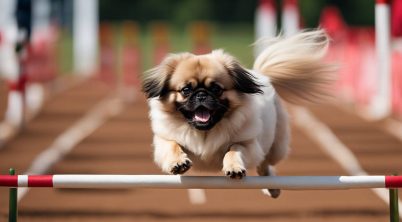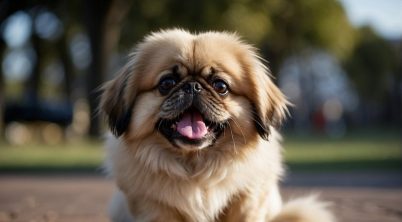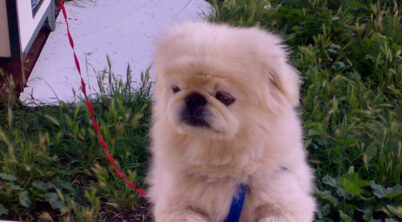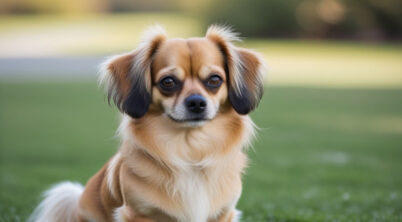
Many Pekingese owners wonder if shaving their dog is a good idea, especially during hot weather or when dealing with heavy shedding. The answer is important for the health and comfort of these dogs. Shaving a Pekingese is not recommended because their double coat protects them from both heat and cold.
Shaving can actually cause more harm than good, leading to skin problems and damaging the coat’s natural growth. Understanding proper grooming methods will help owners keep their Pekingese healthy and comfortable all year round. Readers will find clear guidance on the best way to care for their pet’s unique coat without risking its well-being.
Table of Contents
Understanding the Pekingese Coat
The Pekingese is a double-coated breed with unique grooming needs. Their dense fur, regular shedding, and double coat structure play a big role in their health and comfort.
Pekingese Coat Characteristics
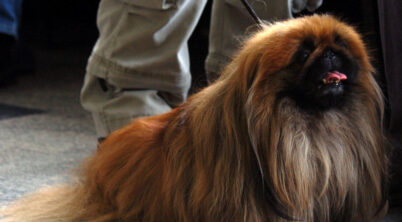
Pekingese dogs have a thick, long outer coat and a soft, shorter undercoat. This gives them a distinctive lion-like mane around the neck and shoulders. Their fur grows in layers, with the outer coat being straight and more coarse, while the undercoat feels fluffy and dense.
The length and texture of their fur make regular grooming important. Brushing helps prevent mats and tangles, which can form quickly in their dense coat. Trimming the feet and rear area is common to keep them clean and tidy, but most owners keep the rest of the coat natural.
Coat color varies and can include shades like gold, red, cream, and black. The full coat makes them look larger and adds to their classic appearance.
Shedding Patterns in Pekingese
Pekingese dogs shed throughout the year, with heavier shedding in spring and fall. This is when they lose more of their undercoat as the seasons change. Shedding helps remove old, dead hairs and allows new growth.
Owners may notice clumps of fur around the house, especially during peak shedding times. Regular brushing—several times a week—removes loose hair and reduces shedding around the home. It also stops mats from forming in dense areas of fur.
While all dogs shed, pekes tend to shed more during these seasonal changes because of their double coat. Keeping up with grooming routines helps manage the extra fur.
Double Coat and Its Functions
The Pekingese has a double coat, which means it has two distinct layers:
| Layer | Description | Purpose |
|---|---|---|
| Outer coat | Long, coarse, straight | Protects from dirt and debris |
| Undercoat | Soft, dense, shorter | Insulates against heat/cold |
The double coat acts as natural temperature regulation. In hot weather, it helps block heat and sun, and in winter, it traps warmth. Cutting or shaving the coat can actually make it harder for the dog to cope with heat or cold.
The coat also provides protection against scrapes, insects, and sunburn. Regular grooming is needed, but shaving the double coat is not advised because it can harm the coat’s protective qualities and may cause it to grow back unevenly.
Risks and Benefits of Shaving a Pekingese
Shaving a Pekingese can seem like a good idea for easier care, but it comes with specific risks. The double coat plays an important role in the dog’s health, protection, and comfort.
Potential Skin Issues
Shaving a Pekingese removes the top layer of fur, leaving the skin exposed. This can make the skin more likely to get irritated, dry, or develop rashes. The breed’s coat normally gives some protection against dirt, sun, and insects.
When the thick fur is shaved off, the dog is at a higher risk of sunburn. UV rays can reach the sensitive skin more easily. In some cases, skin problems may show up as redness, scabs, or itching.
Some Pekingese may scratch or bite the skin after shaving. This behavior can lead to infections if there are any cuts or irritation. Allergies can also become worse without the natural barrier of fur.
Impact on Coat Health
The Pekingese has a double coat, made up of a soft undercoat and tougher outer fur. Shaving may permanently damage this coat. When the fur grows back, it may be patchy or have a different texture.
In some cases, the undercoat grows faster than the guard hairs. This causes the coat to become uneven and tangled. The fur may feel rough or even be more prone to mats than before shaving.
Older Pekingese, or those with other health problems, may never fully regrow their coat. Owners will notice that the dog’s fur loses much of its natural look and protection if it is shaved.
Temperature Regulation Concerns
The double coat of a Pekingese acts as natural insulation. It keeps the dog warm in winter and cool in the summer by trapping air close to the skin. Shaving takes away this main layer of temperature control.
A shaved Pekingese can become overheated more quickly in the sun. The skin is less able to cool off because the coat is gone. In cold weather, the dog loses heat faster and may get cold even indoors.
Important: The fur does not just make the dog hot; it helps balance body heat. Without fur, a Pekingese is more vulnerable to both heatstroke and chilling, depending on the season.
Alternative Grooming Strategies
Pekingese dogs require a grooming routine that focuses on coat health and comfort. Daily care, professional help, and careful trimming can prevent matting and keep their coat looking its best.
Daily Brushing and Detangling
Brushing a Pekingese every day is the most effective way to maintain their long, thick fur. Regular brushing removes loose hairs, distributes natural oils, and stops mats from forming. Mats can be uncomfortable and may lead to skin issues if ignored.
Using tools like a pin brush and mat breaker helps manage tangles. Pay special attention to areas behind the ears, under the legs, and around the neck, where mats form quickly. Short, gentle strokes are best to avoid hurting the dog’s sensitive skin.
Developing a daily brushing routine keeps the coat clean and healthy. It also gives a chance to check for changes in the skin or fur. Consistent brushing can help control shedding and make future grooming sessions smoother.
Professional Grooming Services
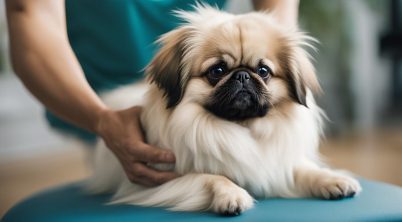
A professional groomer can manage the unique grooming needs of a Pekingese. Groomers handle complicated mats, deep cleaning, and special trims. They also have the right equipment such as high-velocity dryers and safety clippers.
Professional grooming sessions usually include bathing, blow drying, nail trimming, light trims, and careful detangling. Many owners choose a groomer when the dog’s coat is very tangled or when they want to maintain a neat, even look without risking injury from cutting at home.
Making appointments every 4-8 weeks is common for Pekingese. This keeps their fur healthy and reduces the risk of matting and skin problems. Communication with the groomer helps ensure that the dog’s appearance stays natural and matches the owner’s preference.
At-Home Basic Trim
A basic trim at home can help control length and reduce the risk of matting without shaving the coat. Small scissors or safety clippers should be used with care, focusing on the feet, rear, and around the eyes. This stops dirt buildup and keeps these areas clean.
Owners should avoid trimming the body hair too short, as the double coat protects the dog and helps regulate temperature. Instead, focus on tidying up long or uneven areas that tangle often or collect debris.
At-home trims are a good way to upkeep the coat between professional visits. They are not a substitute for daily brushing but can make the grooming routine much easier and more effective. Using sharp, clean scissors and a calm approach always helps keep the process safe.
Essential Grooming Tools and Products
Proper grooming helps keep a Pekingese’s coat manageable, reduces matting, and supports skin health. To keep their thick and long fur in good shape, selecting the right brushes, washing products, and safe trimming tools is important.
Choosing the Right Brushes and Combs
The double coat of a Pekingese needs regular attention. A slicker brush is helpful for removing tangles and loose fur, especially in dense areas around the neck and hindquarters.
A natural bristle brush works well for finishing and smoothing the topcoat, adding shine. For sensitive places like the face, ears, and tail, a fine-tooth comb can gently detangle without hurting your pet.
Routine brushing using these tools prevents mats and helps spread natural oils. For best results, many experts recommend daily or at least several times a week brushing during shedding seasons. This routine also helps owners spot skin problems early.
Bathing and Conditioning Products
Pekingese coats attract dirt and shed dander, so regular bathing is needed. Choose a dog-friendly shampoo that is gentle on the skin. A hypoallergenic shampoo is good for dogs with sensitivities or allergies. It’s best to avoid products for humans, as these can dry out a dog’s skin.
Use a quality conditioner after shampooing. Conditioners make combing easier and keep the fur soft. Carefully massage products down to the skin and rinse thoroughly to avoid buildup.
Make sure to dry the dog completely after each bath. Use a towel first, then a pet dryer on a cool setting if needed. Keeping the coat dry prevents skin issues and mats.
Safe Use of Scissors and Clippers
Scissors are necessary for trimming areas like around the feet, face, and rear end. Blunt-tipped grooming scissors reduce the risk of cuts. Hold your dog still and work slowly, checking the skin often as you trim.
Electric clippers can be used for sanitary trims under the tail and around the belly. Always use a safe guard and start with a clean, detangled coat to avoid pulling hair. Never shave the entire coat, as this can damage their hair and increase the risk of sunburn.
In addition to scissors and clippers, keep nail clippers on hand. Regular nail trimming helps prevent painful overgrowth and keeps your dog comfortable during walks. Use only tools designed for dogs, and clip only a small amount at a time to avoid cutting the quick.
Additional Grooming Needs for Pekingese
Pekingese require attention to several areas beyond brushing and haircuts. Regular ear cleaning, nail care, and dental hygiene are necessary to keep them healthy and comfortable.
Ear Cleaning and Infection Prevention
Pekingese have long hair around their ears and sometimes small ear canals. This makes them more prone to ear infections if their ears are not cleaned regularly. Buildup of wax or moisture can make things worse. Owners should check their dog’s ears at least once a week.
Use a soft, damp cloth or a veterinarian-recommended ear cleaner. Gently wipe the visible parts of the ear, avoiding cotton swabs deep in the canal. Trim any excess hair around the ears to let air flow in and keep the area dry. Signs of infections include redness, odor, and swelling. If these are seen, a visit to the vet is needed right away.
Nail Care and Trimming Techniques
The Pekingese’s nails grow fast and can curl into their paws if not trimmed. This can make it painful for them to walk. Nails should be checked every two weeks. If the nails click on the floor, it’s time to trim them.
Use dog nail clippers with sharp blades. Tips for safe trimming:
- Trim in small amounts to avoid hitting the quick, which is the sensitive part inside the nail.
- Keep styptic powder nearby in case of bleeding.
- Hold the paw gently but firmly.
Some owners find it easier to use a nail grinder for smoother edges. Rewarding the dog after each session helps make nail care part of the regular grooming routine.
Dental Hygiene for Pekingese
Dental health is especially important in small breeds like the Pekingese. Their teeth are closer together, which raises the risk of plaque and tartar buildup. Daily brushing is best. Use a soft dog toothbrush and dog-friendly toothpaste. Brushing reduces the chance of gum disease and bad breath.
In addition to brushing, dental chews and toys can help keep teeth clean. Dry kibble instead of wet food may also help reduce plaque. Owners should schedule regular dental checkups with the vet to spot signs of dental issues early. If a Pekingese avoids chewing or has red gums, it may need professional cleaning.
Special Considerations for Pekingese Puppies and Seasonal Grooming
Pekingese puppies and adults need different grooming routines. Climate changes and seasonal temperatures also affect grooming choices, especially in summer.
Puppy Grooming Best Practices
A young Pekingese has a softer, finer coat than an adult. Gentle grooming helps them get used to being brushed and handled.
Start with short, positive grooming sessions. Use a soft bristle brush or a puppy slicker brush to avoid hurting their sensitive skin. Focus on common trouble spots like behind the ears, under the collar, and the tummy, as these areas can mat quickly.
Trim nails every few weeks using small, blunt clippers suitable for puppies. Clean the eyes and face daily to prevent staining.
Early grooming teaches a puppy to stay calm during future sessions. Treats or verbal praise can help make it a positive experience.
Summer Haircuts and Heat Management
Hot weather raises the risk of overheating for Pekingese due to their thick, double coat. Most experts do not recommend shaving, as it can remove the natural insulation and protection their coat provides.
Instead, regular brushing removes loose fur and helps air circulate against the skin. Light trimming of long fur on the paws, belly, and around the hindquarters can make a Pekingese more comfortable in summer.
Always provide plenty of shade and water in hot months. Walks should be done early or late in the day to avoid peak heat. If a summer haircut is needed, keep the coat at least one inch long to protect the skin. Never use human clippers or scissors.
Professional groomers can offer breed-safe trims while still preserving the coat’s function.
Key Tools for Summer Grooming:
| Tool | Purpose |
|---|---|
| Pin brush | Removes loose hair and tangles |
| Mat breaker | Loosens and cuts small mats |
| Blunt scissors | Trims fur around sensitive areas |