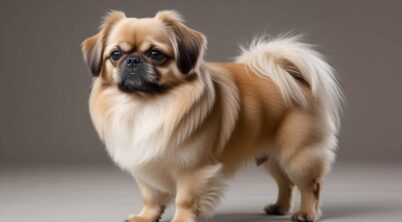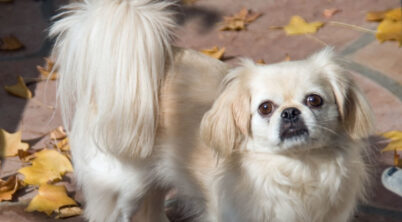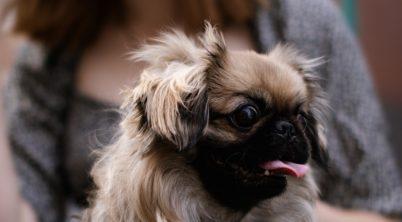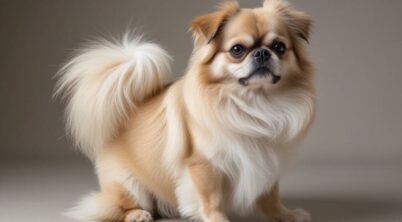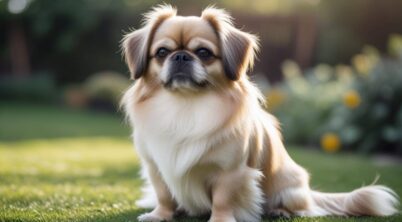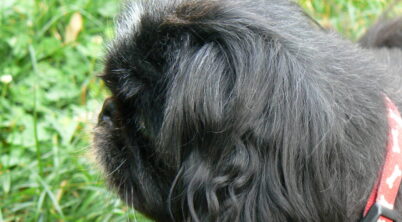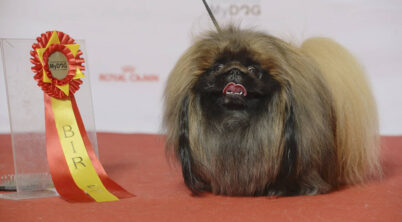
The Pekingese originated in ancient China, where it was bred to be a companion for members of the imperial family. Known for its unique lion-like appearance and small size, the Pekingese was seen as a symbol of nobility and royalty for centuries. The breed’s roots go back to the imperial courts, where it was carefully bred and guarded.
Stories and legends from China give the Pekingese a special place in history. Myths say the dogs were loved by emperors and Buddhist monks, and only members of the royal family could own them. This long tradition helps explain why the Pekingese remains a beloved and respected companion today.
Table of Contents
Ancient Origins of the Pekingese
The Pekingese is an ancient breed with deep roots in China. It is closely linked to the imperial family, royal traditions, and Chinese religious beliefs.
Early History in Ancient China
The Pekingese breed traces back over 2,000 years in ancient China. These small dogs were originally developed in Beijing, the city once called Peking, which gave them their name. Early records show that Pekingese were celebrated for their sturdy build and distinct lion-like look.
They were often called “lion dogs” because their manes and faces resembled Chinese guardian lions, which are symbols of protection. This ancient breed was one of the oldest toy dog breeds to be kept as close companions to humans. Their role as personal pets began very early in Chinese history, before many modern dog breeds even existed.
Pekingese dogs were strictly protected in ancient times. They were often seen in grand homes and temples, symbolizing luck, protection, and nobility. Their history as a favored companion spans centuries, making them a living piece of China’s cultural heritage.
Role in Chinese Royalty and Imperial Court
The Pekingese was most famously associated with the Chinese imperial family and the Forbidden City in Beijing. These dogs lived in luxury and were only owned by royalty, including emperors and high-ranking nobles. Ordinary people were not allowed to own or even approach them.
The imperial court believed that the Pekingese was a sacred creature. They often served as lap dogs for emperors, empresses, and members of the royal household. This close bond made the breed a status symbol and a mark of royal favor.
Empress Dowager Cixi (Tzu-Hsi) in the late Qing dynasty was especially fond of Pekingese. She helped protect and popularize the breed during her rule. At court, the dogs were sometimes dressed in fine cloth and received the same treatment as royal children.
Religious and Cultural Influences
Pekingese dogs are deeply tied to Buddhism in China and Chinese myths. Buddhist monks respected the lion as a powerful and sacred animal. Because the Pekingese resembled a lion, they were believed to hold spiritual power and bring good luck to their owners.
Religious beliefs shaped the way these dogs were treated—many temples kept Pekingese as sacred guardians. They were involved in religious ceremonies and had legends told about their origins, such as the story that Buddha himself created the breed by shrinking a lion.
The dog’s strong presence in art, carvings, and folklore shows how they became part of China’s cultural legacy. Their image remains a symbol of good fortune, protection, and the connection between people, royalty, and spiritual life in ancient China.
The Pekingese in the Imperial Era
Pekingese played a distinct role as treasured pets of Chinese royalty for centuries. These dogs were carefully bred and lived apart from common people, receiving special care and attention within royal settings.
Life in the Forbidden City
Pekingese were closely linked to the imperial family and lived inside the Forbidden City. Only nobles and members of the imperial court could own these dogs. They often served as lapdogs and palace companions, symbolizing status and power.
Within palace walls, the dogs received fine treatment. Handlers fed them high-quality foods and kept their coats clean, sometimes using luxurious materials like imperial silk for bedding or as decorative accessories. The small “sleeve Pekingese” variety, prized for its tiny size, was even carried inside the wide sleeves of royal robes.
Their place was often by the emperor’s side. In some ceremonies, Pekingese acted as small guards and companions, sitting beside powerful figures during important meetings or rituals.
Breeding and Selection in the Imperial Court
Selective breeding was essential to keep the Pekingese breed pure. The imperial court managed detailed breeding programs, with strict rules about which dogs could mate. The goal was to maintain specific features, including a lion-like face, thick coat, and short muzzle.
Imperial breeders chose dogs for their appearance and temperament. They preferred those that looked noble and calm, reinforcing the Pekingese’s image as a dog of dignity. Royal records sometimes tracked family lines and special traits passed down over generations.
Both “palace dogs” and “sleeve dogs” were produced through these efforts. The sleeve dogs weighed less and were highly valued for their portability, while the larger lapdogs often sat with emperors during audiences with their officials.
Legend of the Lion Dog
A famous legend claims the Pekingese was created by a lion who fell in love with a marmoset. The gods allowed the lion to shrink in size while keeping its courage, creating the first Pekingese. This tale helped build the dog’s reputation as brave, despite its small appearance.
Chinese emperors and nobles loved the story because it highlighted the breed’s self-importance and regal bearing. Art and poetry from the courts often showed the Pekingese as little guardian lions, sitting proudly near the throne. The lion-dog legend was used to justify the care and respect these dogs received in the imperial household.
Pekingese and Western Discovery
The Pekingese breed entered Western awareness through dramatic events in 19th-century China. After arriving in England, these dogs became closely linked with royalty and quickly influenced Western views on toy breeds.
The Second Opium War and the Old Summer Palace
During the Second Opium War in 1860, English and French forces invaded Beijing. They looted and destroyed the Old Summer Palace, also known as Yuanmingyuan or the Gardens of Perfect Brightness.
Several small dogs were found hiding in the palace’s ruins. These dogs belonged to the Chinese imperial family. Some British officers saw their unique appearance and decided to take them as trophies.
In a matter of days, these dogs, never before seen outside China, began their journey west. Their removal from China marked the first time Pekingese dogs left their homeland in such a public way.
Arrival in England and Queen Victoria
One of the five dogs rescued from the ruins was presented to Queen Victoria. The dog was named Looty to represent the circumstances of her arrival.
Looty fascinated the British public. She became a popular figure at court, and stories about her spread through newspapers. Looty’s presence helped create excitement around the Pekingese as a luxury pet.
Queen Victoria’s interest in Looty encouraged other royals and aristocrats to acquire similar dogs. They were seen as symbols of status and wealth.
Influence of Looty and Other Imported Dogs
Looty was not the only Pekingese imported during that period, but she was the most famous. Other British officers brought Pekingese dogs back home, starting private breeding programs.
Within a few years, the Pekingese became well-known in the British dog scene. Breeders worked to maintain the dog’s original look and temperament, closely following what they had observed in China’s imperial pets.
These early Pekingese helped shape the European perception of toy dogs. Their flat faces, long coats, and independent nature set them apart from other breeds.
Acceptance in Western Dog Breeds
Interest in the Pekingese led to their recognition in British dog shows by the late 19th century. The breed was showcased as a rare and unique toy breed, drawing crowds at every event.
As demand grew, breeding standards were developed to ensure quality and purity. The American Kennel Club later accepted the Pekingese into its registry, under the Toy Dog group.
Today, lists of recognized breeds in Western countries almost always include the Pekingese. Its journey from the Old Summer Palace to dog shows and homes across Europe and America highlights its special place among toy breeds.
Breed Development and Physical Traits
The Pekingese is a small dog breed known for its unique appearance and personality. Its lion-like look, range of coat colors, and compact shape have made it a favorite among many dog lovers.
Distinctive Appearance and Lion-Like Features
The Pekingese is famous for its lion-like appearance, which was highly valued in ancient China. Their broad head, short muzzle, and large, prominent eyes set them apart from other toy breeds. Wrinkles on the face and a flat face further highlight their ancient heritage.
The breed has long, flowing hair around its neck and shoulders. This mane-like fur gives the Pekingese its lion-like quality. Hanging ears are covered with thick fur and add to the dog’s unique look.
Its rolling gait and proud posture show its royal past. These dogs are compact and solid, making them sturdy despite their small size.
Coat Colors and Varieties
Pekingese dogs come in a wide range of coat colors. Common shades include red, tan, white, sable, black, gold, cream, and even rare blue. Solid colors as well as mixed patterns are accepted, and some have a striking black mask on the face.
Coat color does not affect the dog’s health or personality. Most Pekingese shed throughout the year, especially in warmer months. Their double coat needs regular brushing to avoid mats and keep it looking nice.
Some varieties focus on specific features, like richer colors or longer coats, but all Pekingese share the same basic look and the need for regular grooming.
Physical Characteristics and Health Considerations
Adult Pekingese usually weigh between 7 to 14 pounds and stand about 6 to 9 inches tall at the shoulder. Their bodies are compact but strong for their size.
Like other flat-faced breeds, Pekingese can have breathing problems, especially in hot or humid weather. Careful monitoring is needed to prevent overheating. Their large, prominent eyes are easy to injure, so it’s important to avoid rough play.
Skin folds from wrinkles can cause skin allergies or infections if not cleaned often. Regular grooming and gentle cleaning help keep their skin and coat healthy. Pekingese have a long lifespan for a small dog, often living 12 to 14 years with good care. Moderate exercise, gentle play, and careful handling help keep them healthy and happy.
Influence, Legacy, and Related Breeds
The Pekingese has been shaped by centuries of careful breeding for royal companionship in China. Its legacy influences modern companion dogs, and its connections to other Asian breeds show its importance in dog history.
Unique Temperament and Companion Qualities
Pekingese dogs have a temperament that stands out among companion breeds. They are loyal and dignified, showing strong bonds to their families. Many owners notice their assertive and somewhat stubborn attitude, which is a legacy from their days in Chinese imperial courts.
Despite their small size, Pekingese can be very independent. They often act as watchdogs, alerting their owners if something is unusual. Their independent spirit, combined with their affectionate side, makes them well-suited to be lap dogs.
They are usually calm and quiet but will stand their ground if challenged. This blend of loyalty and independence means they require patient, consistent handling. Their regal mannerisms reflect the breed’s royal background.
Notable Relatives and Ancestor Breeds
The Pekingese shares roots with other well-known Asian dog breeds. Some of its notable relatives include the Shih Tzu, Lhasa Apso, and Tibetan Mastiff. These breeds developed around the same time and were often kept by monks or royalty.
A comparison of related breeds:
| Breed Name | Origin | Primary Use |
|---|---|---|
| Pekingese | China | Companion/Lap Dog |
| Shih Tzu | China | Companion |
| Lhasa Apso | Tibet | Monastery Watchdog |
| Tibetan Mastiff | Tibet | Guardian/Protector |
| Maltese | Mediterranean | Companion |
| Pug | China | Companion |
The Pekingese has influenced the development of small companion breeds across Asia. Breeders aimed for dogs with strong personalities and impressive coats, traits seen in many related breeds.
Enduring Significance in China and Abroad
The significance of the Pekingese started in the Chinese imperial courts, where owning one was seen as a privilege for royalty. Emperors and members of the royal family considered them symbols of status and protection.
During the Chinese Revolution, many of these dogs were lost, but a few made their way to the West, especially Britain, after 1860. Queen Victoria was one of the first to receive a Pekingese, spreading their popularity in Europe.
Today, the Pekingese is known worldwide as a unique companion dog. Their legacy is visible in breed clubs and dog shows. The breed’s history remains a source of pride for many breeders and owners, linking the modern dog to its ancient Chinese roots.