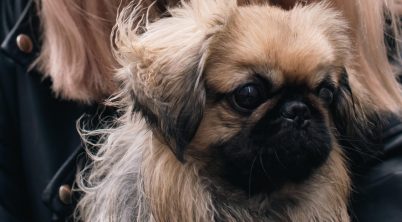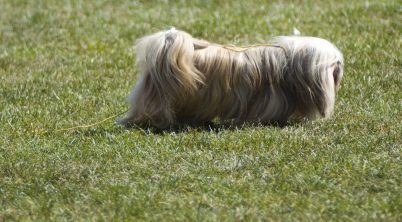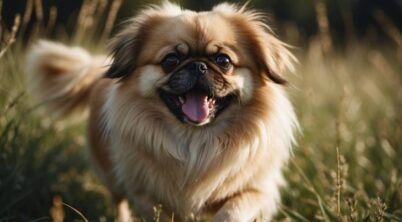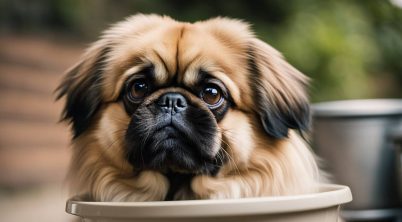
The Pekingese and Beagle mix, also known as the Peagle, is a small designer dog that combines the friendly nature of the Beagle with the unique charm of the Pekingese. Peagles often weigh between 12 and 17 pounds and stand 6 to 16 inches tall, making them a good fit for people looking for a compact companion. Their coat and appearance can vary, sometimes favoring the Beagle’s short fur or the Pekingese’s longer locks.
This mix is recognized for its lovable and loyal personality. Peagles can be affectionate and get along well with families, as long as they receive attention and care. Their playful attitude and adaptability make them appealing for many types of households. Readers wanting a pet that brings together the best traits of both parent breeds will find the Peagle mix to be an interesting choice.
Table of Contents
Origins and History of the Pekingese and Beagle Mix
The Pekingese and Beagle mix, commonly called the Peagle or Peagle Hound, brings together two very different dog breeds with rich histories. As a hybrid dog, the Peagle’s story ties closely to the histories of the Pekingese and the Beagle, as well as modern trends in designer breed development.
Background of the Pekingese
The Pekingese is an ancient breed that comes from China and dates back over 2,000 years. These dogs were bred as companions for Chinese royalty, especially members of the imperial family.
Known for their lion-like appearance and thick, long coats, Pekingese were valued for their loyalty and elegance. They were so treasured that common people were not allowed to own them.
Pekingese were first introduced to the Western world in the 1860s, after the Opium Wars, when British soldiers brought several dogs back to England. These dogs became popular in Europe for their unique appearance and noble history.
Background of the Beagle
The Beagle is a breed that originated in England and gained recognition for its excellent scent-tracking skills. This hound dog was first bred for hunting small game like rabbits and hares. Early records of dogs similar to Beagles go back to at least the 15th century.
Beagles are medium-sized with short coats and have a friendly and playful attitude. They are known for their strong sense of smell and have often been used as scent detection dogs.
Beagles became popular family dogs because of their gentle temperament, sociability, and intelligence. They are still widely recognized in many dog registries across the world.
Development of the Peagle
The Peagle is a crossbreed or designer dog created by mating a purebred Pekingese with a purebred Beagle. Unlike their parent breeds, Peagles do not have a long-established history. Their development as a mixed breed dog likely began in recent decades, as interest in designer breeds increased.
Peagles can inherit traits from either parent. Their size, coat type, and temperament can vary based on which parent’s traits are more dominant. Some Peagles may have the Beagle’s short coat and energy, while others might display the Pekingese’s longer hair and calmer attitude.
This hybrid is often chosen for its unique combination of looks and personality, making it popular among families who seek small, affectionate, and adaptable pets.
Recognition and Breed Registries
The Peagle is recognized by several designer dog registries, even though it is not accepted by major kennel clubs like the American Kennel Club (AKC). Instead, organizations such as the American Canine Hybrid Club, Designer Breed Registry, Designer Dogs Kennel Club, Dog Registry of America, and International Designer Canine Registry list the Peagle as a recognized hybrid.
These organizations keep records of designer dogs and help set some standards for crossbreeds. However, since Peagles are first-generation mixes, their appearance and traits can vary widely. These registries do not require the same strict breed standards as those for purebred dogs.
Peagles are mainly bred as companion animals rather than show dogs, and their recognition is mostly among fans of mixed breed dogs and designer breeds. Multi-generation crosses are less common but may start to appear as the breed gains popularity.
Physical Characteristics and Appearance
The Pekingese and Beagle mix, also called the Peagle, shows traits from both parents. These small dogs often display sturdy shapes, a mix of coat types, and distinct features that set them apart from other family pets.
Size and Build
Peagles tend to be small to medium in size. Most adults weigh between 12 and 17 pounds and stand 6 to 16 inches tall at the shoulder.
Their bodies are compact and well-built, and they often appear sturdy for their size. Some may look more like a Beagle, with a longer body and legs, while others have a rounder body shape, like a Pekingese.
The legs are usually straight and strong, helping them stay active. They are excellent for families who want a dog that is easy to pick up but not fragile.
Coat Type and Colors
A Peagle’s coat can be either short like a Beagle’s or longer and more flowing like a Pekingese’s. Coat type depends on which parent’s genes are stronger, so there is a lot of variation even within the same litter.
These dogs come in a wide variety of coat colors. Common shades include tan, black, white, cream, and brown. Some may have spots or patterns, especially if they take after the Beagle side.
Grooming requirements will depend on the coat type. Short-haired Peagles need regular brushing to remove loose fur, while long-haired ones require more care to keep their coat untangled and clean.
Notable Features
Peagles have a few standout features. They often have a short muzzle, which comes from the Pekingese parent, but it can be a bit longer if the Beagle traits are stronger. Their cheeks may look round and full, giving them a cute appearance.
Floppy ears are almost always present and are set low on the sides of the head. Their eyes are usually large and dark, showing an alert or gentle expression. These traits combine to make the Peagle both charming and expressive as a family pet.
Temperament and Personality
The Pekingese and Beagle mix, also called the Peagle, is known for being a playful, curious, and loyal family companion. This dog often shows intelligence but can also be stubborn, which affects how they behave with people and other animals.
General Temperament
Peagles tend to be alert, friendly, and curious. They are companion dogs who often bond closely with their families.
They usually show playfulness and enjoy spending time with their owners. Their Beagle side makes them active and interested in new scents and sounds, while their Pekingese heritage gives them a calm, loyal attitude.
Peagles are known to show stubbornness, especially during training or when asked to do something new. While they love to please, their independent streak can sometimes make them ignore commands. They are not aggressive but can be protective and may bark to alert their owners of strangers. This makes them decent watchdogs but not true guard dogs.
Interaction With Children and Other Pets
Peagles are good as family dogs, especially in homes with children. They enjoy playing, joining in games, and being close to people. Their small size makes them less likely to knock over young kids.
Peagles usually get along with other pets, especially if they are socialized from a young age. They may be curious about smaller animals due to the Beagle’s hunting background, so introductions should be supervised at first.
They rarely show real aggression. Still, teaching children how to handle the dog respectfully will help prevent problems. When raised with other pets, Peagles can become friendly companions and fit well into homes with more than one animal.
Training and Socialization
Peagles are intelligent dogs and can learn commands quickly, especially when positive reinforcement is used. Treats, praise, and patience work best for motivating them during training.
Because they can be stubborn, short and fun training sessions keep their attention better than long or harsh methods. Early socialization is important. Introducing them to new people, pets, and places helps reduce shyness or defensive barking.
With steady and gentle training, Peagles become well-mannered companion animals. They often respond well to routines and clear rules, which help them understand what is expected. Socialization and training help them become confident and well-adjusted pets.
Health and Common Issues
The Pekingese and Beagle mix, often called a Peagle, has some unique health traits and risks inherited from both parent breeds. Some conditions can appear more often in this mix, while other concerns depend on care and lifestyle.
General Health Overview
Peagles usually have a life expectancy of 10–15 years. Keeping a healthy weight is important since they can be prone to obesity. Regular exercise and measured feeding help prevent joint and heart problems.
These dogs may develop breathing issues, especially if the Pekingese traits are strong. Short noses can lead to respiratory distress, making it important to avoid heavy activity in hot weather. Routine veterinary checkups help catch potential problems early.
Peagles benefit from regular dental care. Build-up of plaque is common in small dogs, and brushing their teeth helps prevent mouth diseases. Vaccinations, parasite control, and a balanced diet are also important for overall health.
Hereditary and Breed-Specific Conditions
Peagles can develop several inherited conditions. Patellar luxation (slipping kneecap) may cause limping or pain, especially when running or jumping. This is common in small breeds. Signs include limping or sudden lameness.
They may also have eye problems, such as cherry eye—a red swelling in the corner of the eye—or other issues that can affect vision. Epilepsy is occasionally seen, resulting in seizures that need medical attention and long-term management.
Other potential problems include hypothyroidism (which slows metabolism, causes weight gain, and changes in coat condition) and elbow dysplasia, though the latter is less common in small mixes like the Peagle. Regular checks help spot these issues early.
Hypoallergenic Qualities
The Pekingese and Beagle mix is not hypoallergenic. Both breeds shed and produce dander, which are common allergens. People with allergies may experience symptoms around a Peagle.
This mix has a coat that may vary in length and texture but usually needs weekly brushing to manage shedding. While regular grooming helps keep the coat healthy and reduces loose hair, it does not prevent allergic reactions.
For those with strong dog allergies, a different breed may be a better choice. No amount of grooming will make the Peagle allergy-friendly, so allergy sufferers should consider this when choosing a pet.
Care, Training, and Lifestyle
A Pekingese and Beagle mix, also called a Peagle, has special needs in daily care and training. Owners should pay close attention to their exercise, food, grooming, and early development routines.
Exercise and Activity Needs
Peagles are small but have moderate exercise needs. They often inherit the Beagle’s playful energy and may enjoy walks, games, and time in the yard. Around 30 to 45 minutes of activity a day helps them stay healthy and calm.
A combination of short walks and play sessions is ideal. Some Peagles enjoy using their nose for scent work or simple puzzle toys. Regular exercise can help prevent them from gaining too much weight, which is a risk for this breed.
Social play with other dogs and family members is also important. Without enough exercise, Peagles may get bored and develop bad habits, such as chewing on household items or barking too much.
Feeding and Nutrition
The Peagle’s diet depends on age, size, and activity level. Most need about 1 to 1.5 cups of high-quality dry dog food each day, split into two meals. Peagle puppies should eat specially made puppy food to support their growth.
Owners must watch portion sizes to avoid overweight problems. Treats should be limited and make up no more than 10% of the daily calories. Fresh water should always be available.
Table: Daily Feeding Guidelines
| Age | Food Type | Amount |
|---|---|---|
| Peagle Puppy | Puppy kibble | 3-4 small meals |
| Adult Peagle | Adult dog food | 2 meals (1-1.5 cups) |
Keep an eye on weight gain and talk to a vet if you have questions. Foods with real meat and healthy grains are best.
Grooming and Maintenance
Peagles can have short or long coats, depending on which parent they take after. Most shed a moderate amount. Brushing two to three times a week removes loose hairs and keeps mats from forming.
Longer-haired Peagles may need more frequent brushing and the occasional trim. All Peagles require basic grooming, which includes:
- Bathing when dirty (every 4-6 weeks)
- Nail trimming every 2-4 weeks
- Ear cleaning weekly, since floppy ears can trap dirt
Teeth should be brushed several times a week to prevent dental problems. Regular grooming makes it easier to check for skin issues or pests like fleas.
Raising Peagle Puppies
Peagle puppies need gentle, early training. Socialization with new people and calm dogs helps them grow into friendly adults. Positive reinforcement, such as treats and praise, works well for teaching house rules and commands.
Potty training might take patience, as some Peagles can be stubborn. Consistency with a set routine helps puppies learn faster. Crate training provides a safe space and can help with housebreaking.
Early vet visits are important to start vaccines and set up a worming schedule. Playtime should be supervised, and rough play avoided to keep puppies safe. Enrichment toys and puzzles help mental development and prevent boredom in growing Peagle puppies.
Related Breeds and Comparisons
The Pekingese and Beagle mix, known as the Peagle, shares several traits with other hybrid dog breeds. People often compare the Peagle to similar designer dogs for their personalities, size, and care needs.
Similar Designer Dogs
The Peagle sits alongside several other popular hybrids. The Peekapoo (Pekingese and Poodle mix) tends to be low-shedding and is often chosen for households needing a more hypoallergenic pet. The Bostinese mixes Pekingese and Boston Terrier, making a sturdy yet compact dog with playful behavior.
For those considering smaller breeds, the Yorkinese (Pekingese and Yorkshire Terrier) and the Peke-A-Chon (Pekingese and Bichon Frise) combine charm and manageable grooming.
The table below highlights basic comparisons:
| Mix Name | Parent Breeds | Typical Size |
|---|---|---|
| Peagle | Pekingese x Beagle | 12–17 lbs |
| Peekapoo | Pekingese x Poodle | 8–18 lbs |
| Bostinese | Pekingese x Boston Terrier | 10–25 lbs |
| Yorkinese | Pekingese x Yorkshire Terrier | 7–14 lbs |
| Peke-A-Chon | Pekingese x Bichon Frise | 8–14 lbs |
Other small dogs, like the Pomeranian and Chihuahua, are not mixes with Pekingese but are sometimes considered by owners who want a petite, lively companion. Each designer dog brings together unique characteristics, so it’s helpful to weigh the needs and traits of each hybrid before choosing.