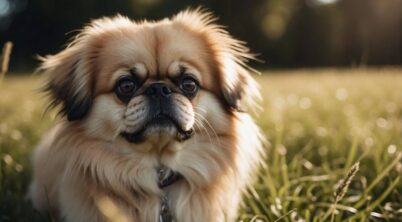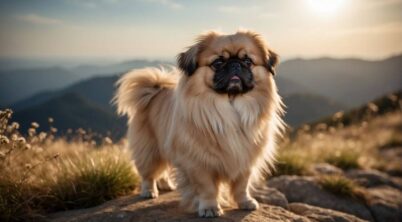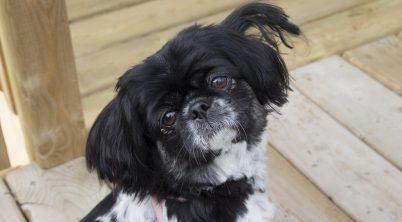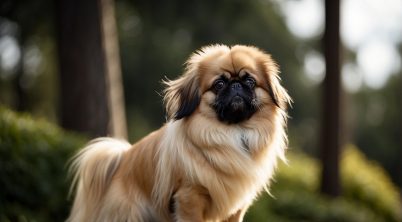
Pekingese puppy development is a unique journey that shapes each dog’s personality, health, and behavior. As a Toy breed, the Pekingese has special growth patterns and milestones that set it apart from larger dogs. Their sturdy build, luxurious double coat, and distinctive appearance all begin forming in the early weeks of life.
Understanding the stages of Pekingese development—from early nutrition to socialization—is important for providing the best care. Early experiences, including exposure to new environments and people, have a lasting impact on their confidence and happiness. Whether new to the Pekingese breed or a longtime fan, learning about their growth helps ensure a healthy, well-adjusted companion.
Table of Contents
Key Stages of Pekingese Puppy Development
Pekingese puppies go through several growth stages before reaching adulthood. Each period shapes their health, behavior, and future needs, including nutrition, play, and social skills.
Neonatal and Transitional Periods
The neonatal period covers the first two weeks after birth. During this time, Pekingese puppies are blind, deaf, and fully dependent on their mother for warmth and nutrition.
They usually sleep most of the day. Growth is fast, and puppies may double their birth weight by the end of the second week.
In the transitional period, from about two to four weeks, their eyes and ears begin to open. Puppies start to move gently, showing early signs of walking or crawling.
This is when basic senses and motor skills begin developing. Regular weight checks help ensure healthy growth. Puppies may become more vocal and responsive to touch, which signals healthy early development.
Socialization Window
The socialization stage begins around three weeks and lasts until about twelve weeks. This is a crucial period for introducing new sights, sounds, and experiences.
Pekingese puppies start interacting more with littermates and humans. Learning to play helps them develop important social behaviors, including bite control and understanding limits.
Handling the puppy gently every day teaches confidence and trust. Short playtimes are essential but need to be supervised to prevent overexcitement or injury.
Exposure to different surfaces, gentle noises, and positive experiences helps reduce fearfulness later in life. During this stage, transitioning to soft puppy food from milk is common.
A Pekingese growth chart or weight chart can guide healthy feeding and track progress. Socialization makes a big difference in how well the puppy adapts to homes and families.
Juvenile Stage
The juvenile stage spans from about three months to six months of age. The puppy becomes more active, curious, and often tests boundaries.
Physical growth slows down compared to earlier stages but still continues steadily. Pekingese size can vary, but most are close to their adult weight by six months.
Teething happens during this period, so providing safe chew toys can help with discomfort. Training becomes even more important as the puppy learns commands, good manners, and house training.
Consistent schedules for feeding, playtime, and rest promote healthy habits. Nutrition from quality puppy food supports their rapid development.
This is a good time to begin gentle brushing to manage their double coat and create positive grooming habits.
Adolescence and Maturity
Adolescence usually starts around six months and can last until about nine months, when Pekingese puppies reach full physical maturity.
They may look fully grown, but behavior is still developing. Hormonal changes can cause increased independence, and some puppies might test rules set during training.
Growth tapers off as the Pekingese weight and size reach adult levels. Monitoring weight using a growth chart helps prevent overfeeding, which is important for toy breeds like the Pekingese.
During this stage, playtime should be balanced with periods of calm to prevent overstimulation. Continued positive social experiences shape their adult temperament.
By nine months, most Pekingese puppies will be physically mature and ready for adult dog food and routines appropriate for their size and energy level.
Physical Characteristics and Growth
Pekingese puppies are known for their compact bodies, thick double coats, and striking lion-like features. They also come in a range of colors and their typical growth patterns are useful for tracking healthy development.
Compact Size and Lion-Like Appearance
The Pekingese has a small, stocky build with a surprisingly sturdy frame. Adult Pekingese typically stand about 6 to 9 inches (15 to 23 cm) at the shoulder. Despite their size, these dogs have a pronounced chest and short, bowed legs.
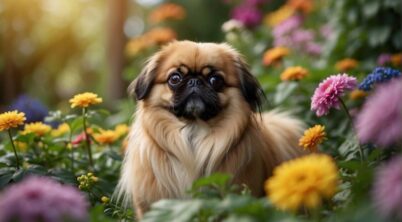
Their lion-like appearance is notable, especially around the face. The broad head, short muzzle, and large, dark eyes give them a regal expression. Pekingese also have a mane of longer hair around their neck and shoulders, which resembles a lion’s mane and stands out in adult dogs.
This breed’s small size makes it well-suited for indoor living. However, their strong personality and bold expression reflect a sense of confidence and independence.
Double Coat and Coat Colors
A standout feature of the Pekingese is its lush double coat. The outer coat is long, coarse, and straight, while the undercoat is soft and thick. This combination gives the Pekingese its signature fluffy appearance.
Regular grooming helps prevent matting. Pekingese are prone to tangles, especially around the mane, ears, and tail. Shedding is moderate, but seasonal changes may increase hair loss.
Pekingese come in many coat colors. Common shades include gold, sable, black, red, and white. Some dogs have black “masks” on their faces, or patches of multiple colors (parti-color). Sable coats have individual hairs that are tipped with black, giving a unique highlight around the mane and body.
Pekingese Weight and Size Expectations
At birth, Pekingese puppies are very small and fragile, often weighing less than half a pound. They usually grow quickly in the first few months. By 8 weeks old, a healthy puppy typically weighs about 2 to 3 pounds (0.9 to 1.4 kg).
Adult Pekingese usually reach their full size by 9 to 12 months. Most weigh between 7 and 14 pounds (3.2 to 6.3 kg). The breed’s compact size is part of its appeal, but healthy weight depends on proper feeding and regular exercise.
The table below shows typical growth for Pekingese:
| Age | Weight Range | Height Range |
|---|---|---|
| 8 weeks | 2–3 lbs | 4–5 in (10–13cm) |
| 6 months | 5–9 lbs | 6–8 in (15–20cm) |
| 12 months | 7–14 lbs | 6–9 in (15–23cm) |
Monitoring your puppy’s growth helps track development and catch health problems early. Proper nutrition and regular vet visits are important for maintaining an ideal weight and size.
Temperament and Personality Traits
Pekingese puppies show key personality traits from a young age. They are known for their bold spirit, strong loyalty, and unique training needs.
Confident and Independent Nature
Pekingese have a reputation for being self-assured dogs. Even as puppies, they walk with a dignified gait and often act like they know exactly what they want. This breed was once a companion to royalty, and it shows in their confident attitude at home.
These puppies are often independent thinkers. They may want to do things on their own terms rather than follow commands right away. This stubborn streak is not aggression, but instead a sign of their boldness and intelligence.
Owners might notice that Pekingese puppies enjoy deciding when to play or rest. They are not likely to be “people pleasers” in the way some other breeds are. Patience and gentle repetition help encourage cooperation without forcing them to change who they are.
Key traits:
- Bold and proud behavior
- Likes some independence
- Makes choices without much fear
Loyal and Protective Instincts
Loyalty is at the core of the Pekingese temperament. These puppies often form close bonds with one or two people in the household. They follow their chosen person from room to room and show signs of wanting to protect them, even at a young age.
The breed’s protective nature can mean they are watchful and alert. Many Pekingese will bark to signal when someone new arrives at the door. Since they were bred as palace guards, their small size does not stop them from showing bravery.
It is common for Pekingese puppies to be wary of strangers or unfamiliar animals. They may try to put themselves between their owner and someone they do not trust. Early, positive exposure to new people can help them feel more comfortable outside of their close family circle.
Notable traits:
- Very loyal to family
- Protective despite their size
- Can be reserved with strangers
Socialization and Obedience Training
Socialization matters for Pekingese puppies. Introducing them early to new sights, sounds, and people will help reduce wariness as they grow. Without enough exposure, they might become anxious or overly protective in new situations.
Obedience training works best with positive reinforcement, such as treats and gentle praise. Because of their independent nature, harsh punishment or loud scolding does not work well and can damage trust. Instead, clear rules and calm routines set expectations without causing anxiety.
Some commands may take extra time for a Pekingese puppy to master. Staying consistent and rewarding good choices will help increase their willingness to learn. Short training sessions, patience, and encouragement set them up for success as they move into adulthood.
Tips for training:
- Use praise and small treats
- Keep sessions short and fun
- Start socialization early for better confidence
Health Considerations During Development
Pekingese puppies have special health needs as they grow. Their small size, face shape, and coat require careful, consistent attention for best health and comfort.
Common Health Issues
Pekingese puppies are prone to certain health concerns mainly due to their flat faces (brachycephalic features) and compact bodies. Some common issues include breathing problems, such as noisy breathing and snoring. They can overheat quickly because their airways are shorter and narrower.
Eye problems like corneal ulcers, dry eyes, and tear staining are also typical. Their prominent eyes are more exposed to injury or irritation. Skin issues may happen under skin folds, which can trap moisture and dirt, leading to infections. Regular cleaning and monitoring are needed.
Heart disease and joint problems, especially in the knees (patella luxation), are sometimes seen as well. Early veterinary visits and check-ups help catch and manage these problems early.
Proper Nutrition and Diet
Meeting the nutritional needs of a Pekingese puppy is key for their growth and health. A balanced diet with high-quality puppy food provides the right mix of protein, fat, vitamins, and minerals. Small-breed puppy formulas are best because they meet higher energy needs.
Overfeeding can lead to obesity, which puts extra strain on their joints and heart. Always follow the feeding guidelines on the food packaging or as advised by a veterinarian. Fresh water should be available at all times.
Introduce treats in moderation and avoid feeding table scraps. Foods like chocolate, grapes, and onions are toxic for dogs. Regular meals at set times help with digestion and routine.
Healthy Exercise and Playtime
Pekingese puppies need gentle, regular play and activity to build strong muscles and maintain a healthy weight. Short play sessions several times a day work well. Avoid heavy exercise or rough play because of their breathing limitations.
Indoor games with soft toys, gentle tug-of-war, and short walks are suitable. Watch for signs of overheating, such as heavy panting or slowing down, since their short snouts make it harder to cool off.
Safe, supervised play builds confidence and helps burn energy. Always provide a comfortable, cool space for rest after activity. Regular exercise helps prevent obesity and strengthens the bond between owners and their puppies.
Grooming Needs and Coat Maintenance
Pekingese puppies have a long, double coat that needs frequent care. Daily and correct grooming helps keep the coat healthy, prevents matting, and avoids discomfort for the puppy.
Regular Grooming and Matting Prevention
Pekingese dogs are known for their luxurious double coats. This means they have a soft undercoat and a longer, coarse topcoat. Both layers can easily tangle or mat if not cared for regularly.
Matting is more than a cosmetic issue; it can cause pain, skin irritations, and even infections. Brushing every day, or at least several times a week, is key to stopping mats before they form. Owners should use a slicker brush and a metal comb, working in gentle sections to reach the undercoat as well as the top layer.
Focus on trouble spots where mats often form, such as behind the ears, under the legs, and around the neck. If mats are severe, a de-matting tool or a mat splitter can help break them up safely. Waiting too long between grooming sessions makes mats tighter and much harder to remove.
Bathing and Brushing Routines
A regular bathing schedule helps keep a Pekingese puppy’s coat clean, but bathing too often can dry out the skin. It is best to bathe them every 3–4 weeks or as needed when they get dirty.
Before giving a bath, always brush out tangles and mats. Wetting a tangled coat can make the mats worse and harder to remove. Use a mild dog shampoo and rinse thoroughly to prevent irritation.
After the bath, towel dry first, then use a blow dryer on a cool setting. Brush while drying to prevent tangles and maintain the fullness of the coat. Brushing should be done daily, paying attention to areas prone to matting. Regular care is important for keeping the Pekingese coat healthy and beautiful.
Unique Breed Heritage and Popularity
The Pekingese is an ancient breed known for its strong connection to Chinese royalty and its unique appearance. Its story includes royal courts, careful breeding choices, and continued interest from today’s families.
Ancient China and Royalty
The Pekingese breed traces its roots back over 2,000 years to ancient China. These dogs were bred mainly for the imperial family and nobility. Only members of the royal court could own a Pekingese, making the breed a symbol of status and honor.
Pekingese were most often found in the Forbidden City, where they were considered sacred and regal. The breed was nicknamed “lion dog” because of its flowing mane and bold stance, which resembled the lions in Chinese art and legend.
Tiny Pekingese called “sleeve dogs” were valued for their small size and sometimes carried in the wide sleeves of royal garments. These dogs were believed to bring good luck and were sometimes present during important ceremonies.
Selective Breeding and Historical Roles
Selective breeding played a major part in shaping the Pekingese’s appearance and character. The imperial family and palace breeders picked pups for their short legs, flat faces, thick fur, and loyal, dignified personalities.
These dogs served as close companions to royalty for centuries. They were expected to reflect grace and calmness. Several legends even claimed that Pekingese could protect their owners from evil spirits.
The breed made headlines during the Second Opium War in 1860, when British and French troops brought several Pekingese out of the Forbidden City and back to Europe. This event marked the start of the breed’s introduction to the West, leading to wider recognition among dog enthusiasts.
Adoption and Modern Appeal
In modern times, the Pekingese remains a unique and popular dog breed. Its compact size and alert nature make it suitable for families and individuals alike. Many people choose Pekingese as a canine companion due to their loyalty and charming, distinctive appearance.
Dog enthusiasts appreciate the breed for its history, courage, and low exercise needs. Adoption rates remain steady, and Pekingese are now found in homes and dog shows around the world.
The breed is recognized by major kennel clubs, and organized rescue groups help place Pekingese in loving homes. The special heritage and look of the Pekingese continue to attract admirers of all ages.
* Banner photo by UG-GE, cropped | Some rights reserved.