The Pekingese is a small dog breed that comes from China and has a long history as a companion in royal courts. The scientific name for the Pekingese is Canis lupus familiaris, which is the same scientific name used for all domestic dogs. Knowing this helps place the Pekingese within the broader dog family, even though it looks unique.
This breed is well-known for its thick coat and loyal personality. Its connection to ancient Chinese royalty adds to its charm. Many people are curious about the special traits and background of the Pekingese, beyond just the basics.
Table of Contents
Scientific Classification of the Pekingese
The Pekingese is a small dog breed that has been recognized for its unique traits and long history. Its scientific classification shows its relationship to other dogs and helps explain where it fits among domesticated breeds.
Taxonomy and Nomenclature
The Pekingese belongs to the animal kingdom and is classified as a mammal. The full scientific classification is:
| Rank | Name |
|---|---|
| Kingdom | Animalia |
| Phylum | Chordata |
| Class | Mammalia |
| Order | Carnivora |
| Family | Canidae |
| Genus | Canis |
| Species | Canis lupus familiaris |
Its scientific name, Canis lupus familiaris, is shared with all domestic dogs. This classification highlights both its dog breed status and its close relationship with the gray wolf.
History of the Scientific Name
The use of Canis lupus familiaris as the scientific name for the Pekingese traces back to the classification of all modern dogs as a subspecies of the gray wolf. Early taxonomists originally identified domestic dogs simply as Canis familiaris, but further study revealed that dogs and wolves are closely related.
Over time, scientists updated naming conventions, grouping purebred dog breeds such as the Pekingese under the same species. This naming practice reflects genetic evidence and shows that the Pekingese is not just a toy breed, but also part of the larger dog family tree. Proper nomenclature also allows veterinarians and breeders to track health and ancestry.
Pekingese in Global Breed Registries
Major breed registries like the American Kennel Club (AKC) classify the Pekingese as a toy breed. The AKC lists the breed in their Toy Group and recognizes specific breed standards for purebred status. Other registries, including the UK Kennel Club and Fédération Cynologique Internationale (FCI), use similar groupings for this breed.
These organizations maintain detailed records of pedigree, breed characteristics, and health requirements. They also make sure that Pekingese dogs meet certain specifications to be recognized as purebred. Breed registries help ensure consistent standards for appearance, temperament, and breeding worldwide.
Origins and Cultural Significance
The Pekingese is a well-known toy dog breed that first developed in China. Its strong connections to Chinese royalty and spiritual beliefs have given it a unique place in Chinese history and society.
Ancient Roots in China
The Pekingese breed can be traced back over 2,000 years to ancient China. Historical records suggest that these dogs were bred specifically in the region that is now Beijing.
They were developed to resemble Chinese guardian lions, which explains their lion-like features. Early Chinese artisans frequently depicted these dogs in paintings, carvings, and ceramics.
Chinese Buddhist monks also played a role in the breed’s early development. They believed that Pekingese, or “lion dogs,” could drive away evil spirits and bring good fortune.
The Imperial Family and Palace Connections
Pekingese dogs were closely linked to the Chinese imperial family. These dogs were kept inside the Imperial Palace, where they served as close companions to emperors, empresses, and high-ranking officials.
Strict rules controlled their breeding and ownership. Only members of the imperial family or those with special permission could keep Pekingese.
Special “sleeve Pekingese,” or “sleeve dogs,” were bred to be small enough to fit inside the robes of palace nobles. This made the dogs easy to carry and added to their status as royal pets.
Lion Dog Symbolism
Pekingese are often called “lion dogs” because their appearance was designed to mimic the mythical guardian lion statues found in Chinese temples and palaces. These statues, sometimes called “foo dogs,” symbolize protection, strength, and power.
The dogs’ lion-like look and dignified behavior contributed to their nickname. Their presence in the palace was thought to bring luck and ward off harm.
Over time, the Pekingese became symbols of dignity, loyalty, and good fortune. Their history and design reflect many elements of traditional Chinese culture and art.
Physical Traits and Recognizable Features
The Pekingese is a toy breed with a distinct look shaped by its flat face, rich fur, and compact size. These dogs are well-known for their confident presence and unique gait, making them easy to identify among other small breeds.
Distinctive Appearance and Coat Colors
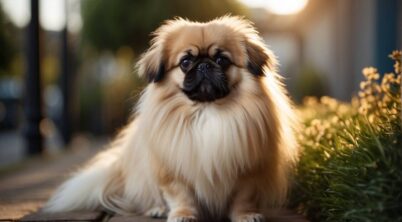
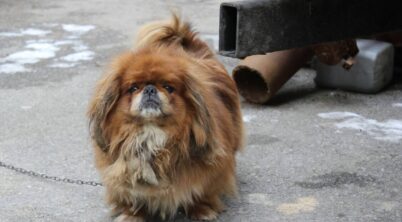
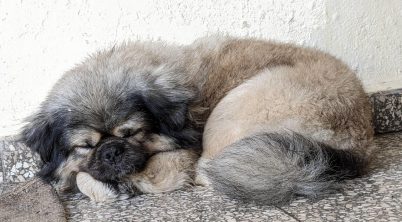
Pekingese have a thick, double-layered coat that stands out for its texture and length. The outer coat is long and straight, while the undercoat is soft and dense. This combination helps them look larger than they are.
These dogs come in many coat colors, including:
- Red
- Tan
- White
- Black
- Sable
- Cream
- Gold
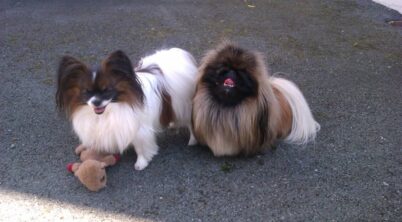
It is common to see darker shades on the ears and muzzle, especially in sable and black Pekingese. Most Pekingese also have a clear mask on their face, adding to their lion-like expression. The fur around the neck is longer and forms a mane, which is one of the breed’s most famous traits.
Signature Gait and Facial Structure
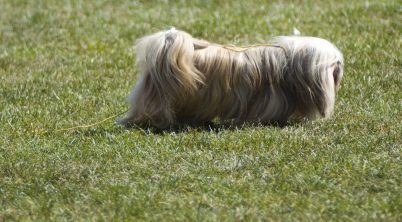
The Pekingese is known for its rolling gait. This type of movement sets them apart from other small dogs. Their walk looks somewhat stiff, but it is unique to the breed due to their body shape and short legs.
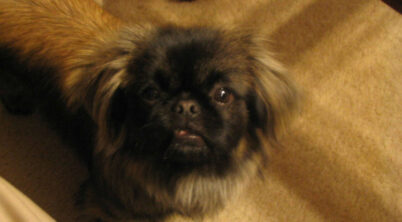
One of the breed’s most recognized features is the flat face with a very short muzzle. Their nose is black and small, set between large, round eyes that are wide apart. The eyes are dark and slightly bulging, giving them a soulful look.
Wrinkles mark the face, especially around the nose. The breed’s profile appears almost flat from the side. Their small, heart-shaped ears are set low and are usually covered by longer fur that frames the face.
Size, Build, and Undercoat
The Pekingese is a small, compact dog. Height at the shoulder usually ranges from 6 to 9 inches. Their weight can vary from 7 up to 14 pounds, though smaller examples are not unusual, especially in historical context.
Although they are small, their body is surprisingly sturdy and stocky for a toy dog. The chest is deep, and the legs are short but strong. Their undercoat is thick and woolly, providing extra volume and some protection from the elements.
Their size and structure mean they do not need much physical activity but should be handled with care. Their sensitive bodies are more prone to injury compared to larger breeds.
Famous Variations: Sleeve Pekingese
The Sleeve Pekingese is a miniature variation of the breed, historically prized by Chinese royalty. These tiny dogs were named because they could fit in the large sleeves of royal garments.
Sleeve Pekingese usually weigh less than 6 pounds. Apart from size, their features are the same as full-size Pekingese. They have the same flat faces, rolling gait, and thick coat.
Though rare today, the Sleeve Pekingese is still recognized for its delicate build. The breed standard now discourages dogs bred for extreme smallness due to health risks, but the history of Sleeve Pekingese highlights the breed’s royal and cultural ties.
Temperament and Behavior
Pekingese have a bold but loving personality. They are well-known for their loyalty and make devoted lap dogs, but their independent streak sets them apart from many other toy breeds.
Loyalty and Affection
Pekingese dogs form close bonds with their families. They show strong loyalty to the people they trust most and often become attached to one or two main caregivers.
These dogs enjoy being close to their owners and can serve as excellent companion dogs. Many prefer lounging on a family member’s lap, earning them a reputation as traditional lap dogs.
Despite their small size, they are known for acting brave and protective. They aren’t shy about letting strangers know when someone is near the house. Their devotion can sometimes lead to separation anxiety if left alone for long periods.
Pekingese tend to be affectionate with adults and older children but may not always do well with very young children who do not understand how to handle small dogs gently. They often get along with other dogs, but introductions should be supervised.
Training and Socialization
Pekingese are intelligent but sometimes stubborn. This makes training both important and challenging. Early socialization is key to encouraging friendly behavior with people and other pets.
They respond best to short, positive training sessions using treats or praise. Harsh training methods do not work well with this breed. Patience and consistency are needed to teach commands and house manners.
With proper training, they can learn basic commands and good habits. However, housebreaking can sometimes take longer than with other breeds. Routine and clear expectations help a lot.
Social exposure to different people, places, and noises from a young age can prevent shyness and reduce signs of aggression. Having structure early on will also decrease the chance of future behavioral issues.
Independence and Watchdog Qualities
Pekingese have a unique mix of independence and alertness. They were bred to be companions to Chinese royalty, and this history comes through in their confident, almost regal attitude.
They do not need constant attention like some breeds and are comfortable spending time resting by themselves. This independence can make them seem aloof at times, especially if they are not in the mood for affection.
These dogs are very alert, making them good watchdogs. They usually bark to alert their families of new people or unusual sounds. While not suited to be a guard dog, their warning bark is often enough to make strangers keep their distance.
Because of their independent nature, Pekingese may ignore commands if they do not see the benefit. Owners should not expect total obedience but can enjoy a dog that is both watchful and self-reliant.
Health and Grooming Needs
The Pekingese has unique care requirements due to its build and coat. Staying aware of its potential health issues and grooming needs can help keep this breed healthy and comfortable.
Common Health Issues
Pekingese dogs are prone to several health problems because of their short noses and compact bodies. One of the main concerns is brachycephalic airway syndrome. This condition can lead to breathing problems, especially in hot or humid weather or after exercise.
Other common issues include patellar luxation (kneecap dislocation), progressive retinal atrophy, keratoconjunctivitis sicca (dry eye), and cataracts. These eye conditions can lead to vision problems or even blindness if not treated. Intervertebral disc disease is another risk, which can cause back and neck pain.
Owners should watch for signs of discomfort like coughing, excessive panting, limping, or eye redness. Regular vet checkups and prompt care can help catch problems early and improve quality of life.
Lifespan and Life Expectancy
The typical life expectancy for a Pekingese ranges from 12 to 14 years, though some may live longer with good care. Genetics, diet, exercise, and regular veterinary attention all play a role in how long a Pekingese lives.
Certain health issues, like breathing or heart problems, can impact lifespan, so early detection and management are important. Feeding a balanced, species-appropriate diet helps maintain overall health.
Preventative care, such as routine vaccinations, dental care, and regular health screenings, can also support a longer, healthier life for this breed.
Grooming and Shedding
The Pekingese is known for its long, double coat that requires consistent grooming. Shedding is moderate to heavy, especially during seasonal changes. Brushing the coat at least three to four times per week helps remove loose hair and prevents matting.
Some owners choose a puppy cut for easier upkeep. Regular baths, ear cleaning, and nail trimming are also necessary. Pay special attention to tear stains and eye cleanliness, as their facial structure is prone to moisture build-up.
Use a metal comb, slicker brush, and detangling spray for best results. Proper grooming not only keeps the coat clean but also allows early detection of skin or coat issues.
Exercise Needs and Care
Pekingese require regular but gentle exercise to stay fit. Daily walks and some playtime will help keep their weight in check and support joint health. Due to their small size and flat faces, they are at higher risk for brachycephalic airway obstruction syndrome, making intense activity or hot weather potentially dangerous.
Offer short exercise sessions with breaks, especially during summer. Avoid strenuous activities like jumping from high places, which can strain their back. Use a harness instead of a collar to prevent neck pressure.
Mental stimulation, like puzzle toys, can also benefit the Pekingese. Keep their routine varied but safe, considering their unique physical needs.
Pekingese in Modern Times
Today, the Pekingese breed stands out for its cultural presence, its role in dog shows, and its similarities to other toy breeds. The breed remains well-respected for its distinct looks and loyal temperament.
Popularity in Contemporary Culture
Pekingese dogs, often called “Pekes,” are recognized for their long, flowing coats and flattened faces. In urban areas, they are chosen for their small size and affectionate nature. They are popular among families and older adults looking for a calm companion.
They are not as common as some other toy breeds, but they still enjoy a dedicated fanbase. In the United States, the American Kennel Club (AKC) lists the Pekingese as a lower-to mid-ranked breed in recent years. Their popularity often spikes after large dog shows or when celebrities feature them on social media.
Pekes are also symbols of royalty and history because of their origins in Chinese imperial courts. This unique heritage helps set them apart from many modern companion dogs.
Dog Shows and Breed Standards
The Pekingese is a fixture at major dog shows, such as the Westminster Kennel Club Dog Show. The AKC recognizes the Pekingese and sets strict breed standards. These standards focus on a compact body, bold character, and a lion-like ruff of fur.
Successful show dogs must have clear, dark eyes, a flat face, and a proud, dignified carriage. Judges also look at coat quality, proper grooming, and overall presentation. Pekingese often compete in the Toy Group and have won top awards, including Best in Show at Westminster.
Grooming and handling are crucial for these events. Owners and handlers invest much time in care and training to meet breed requirements. These standards help maintain the Pekingese’s unique appearance and temperament in the show world.
Similar Breeds and Recognition
The Pekingese often gets compared with other toy breeds, like the Shih Tzu, Lhasa Apso, and Tibetan Spaniel. All these breeds have ancient Asian origins and share some physical features, like a flat face and long hair. However, the Pekingese is typically more compact and heavier for its size.
They are recognized by most major dog organizations, including the AKC and United Kennel Club. Some people confuse the Pekingese with similar-appearing breeds, but the Pekingese’s lion-like mane and unique head shape are key identifiers.
Breed clubs and societies work to educate the public and preserve breed purity. These groups encourage responsible ownership and help new owners identify features that set the Pekingese apart from similar dogs.