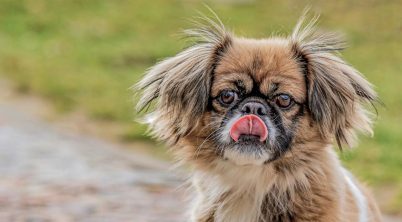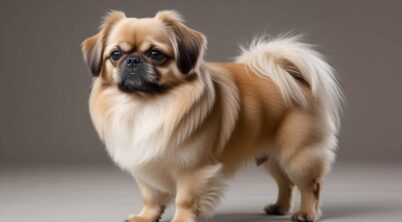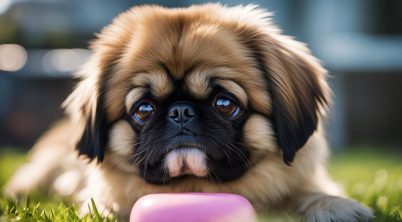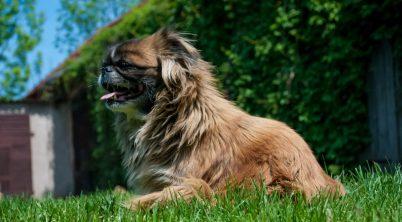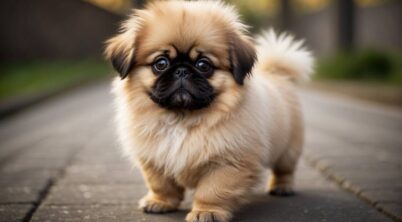
The Pekingese is well known for its elegant looks and long, flowing coat, but what really sets some apart are their rare colors. Most Pekingese are seen in common shades like red, fawn, or cream, but a few have coats in special hues such as blue, silver gray, and lilac that stand out from the rest. Rare Pekingese colors like blue, silver, and lilac are hard to find and are the result of unique genetics that few dogs in the breed have.
These unusual colors are not just beautiful—they also add to the appeal and charm of an already distinctive breed. Some rare shades even come with special markings or lighter eye rims and paw pads, making each dog truly unique. For those interested in Pekingese, spotting a rare color can make owning one feel extra special.
Table of Contents
What Makes Pekingese Colors Rare?
Rare Pekingese colors are defined by how seldom they are seen in the breed and the specific genetic combinations needed to produce them. Several factors, such as genetic inheritance and breeding history, play a key role in these color variations.
Defining Rare Pekingese Colors
Not every color seen in the Pekingese breed is considered rare. Rare Pekingese colors often include white, true sable, blue, and silver-gray. These colors are much less common than standard shades like fawn, red, black, or tan.
Rare colors usually have unique qualities. For example, a “true sable” has each hair shaft showing multiple colors, blending from light to dark shades. White Pekingese stand out because their coats lack pigment, creating a strong contrast with their black noses and dark eyes. The silver-gray type, sometimes called “Gray Silver Fox,” owes its rarity to the dilute gene, which mutes black pigment to a silvery tone.
Below is a table outlining common versus rare Pekingese colors:
| Common Colors | Rare Colors |
|---|---|
| Fawn | White |
| Red | Blue |
| Black | True Sable |
| Cream | Silver-Gray |
Factors Influencing Rarity
The rarity of certain Pekingese colors does not depend solely on appearance. Selective breeding, breed standards, and historical preferences impact how often some colors show up. Breeders have often focused on the most popular or show-accepted colors, so rare colors are not always purposefully bred.
Another factor is the demand. Owners sometimes desire the more traditional shades, making rarer colors less likely to be kept in breeding programs. If a color does not fit show standards, breeders may not register or promote those dogs, which keeps unusual colors scarce.
Rare colors like blue or silver-gray may also require both parents to carry specific recessive genes. Because not all breeding Pekingese have these genes, certain colors stay rare over generations.
Impact of Genetics on Color Variations
Genetics play the most important role in creating rare Pekingese colors. Coat colors depend on both dominant and recessive genes. Most traditional shades are controlled by dominant genes, which are easier to pass to new generations.
Rare colors, such as white or blue, show up only when a puppy inherits two copies of needed recessive genes—one from each parent. For example, the dilute gene (d locus) can turn black pigment into blue or silver-gray. If only one parent carries the gene, the rare color will not appear in the litter.
In some cases, several genes interact to produce combinations like sable or silver. This makes it more challenging to predict or reproduce these shades in the Pekingese breed. Breeders must carefully select parent dogs if they want to produce or maintain these unique colors.
Genetic Origins of Rare Pekingese Colors
Rare Pekingese coat colors are the result of specific genetic combinations. These variations come from unique gene interactions that control pigment and color intensity in the breed.
Role of Dominant and Recessive Genes
Coat color in Pekingese dogs is controlled by several genes, with both dominant and recessive gene forms playing key roles. Some rare colors, like blue or lilac, occur only when a dog carries two copies of a recessive gene. For example, a blue Pekingese has a dilute gene variant that reduces dark pigment, making black fur look grayish-blue.
Dominant genes are more common and can mask the effects of recessive genes. For rare shades, both parents must often carry—and pass on—these less common recessive genes to produce pups with unique colors. This genetic combination is uncommon, making these coat colors rare.
Other genes can dilute red, yellow, or black pigments, producing cream or even white coats. These colors may not express unless two dilute alleles are present. Some rare markings are also inherited this way, which adds to Pekingese breed color diversity.
Example Table: Dominant vs. Recessive Color Genes in Pekingese
| Gene Type | Color Effect | Inheritance Requirement |
|---|---|---|
| Dominant | Standard coat colors | One copy from either parent |
| Recessive | Rare/dilute coat colors | Two copies (one from each parent) |
Inheritance Patterns in the Pekingese Breed
The way coat colors are passed down in Pekingese follows Mendelian inheritance patterns. Parents that appear common in color may still carry hidden genes for rare shades. When two carriers mate, each puppy has a 25% chance of displaying the rare color.
Some color genes are linked to others, which can influence not just hue but also markings and patterns. For instance, the recessive intensity gene can produce cream or white offspring, even from two red or fawn parents. Rare markings, like brindle or piebald patterns, may require a mix of specific recessive combinations.
Not all rare colors are visible at birth. Some, like sable or fawn sable, develop their full appearance as the puppy grows. Understanding these patterns helps breeders predict what to expect from each mating pair.
Breeding Considerations for Rare Colors
Producing rare Pekingese coat colors often requires careful breeding choices and genetic testing. Breeders must know the genetics behind each dog to avoid unwanted health problems, such as color dilution alopecia, which can affect dilute colors like blue or lilac.
It’s important for breeders to avoid close linebreeding when selecting for rare colors, as this can increase the risk of genetic disorders. They often use DNA testing to check for the presence of recessive genes in both parents before breeding.
Ethical breeders focus on both color and overall health. While rare colors can be appealing, maintaining breed standards and well-being must come first. Responsible breeding helps preserve rare colors in the Pekingese breed without sacrificing the dogs’ health.
Unique Rare Solid Colors in Pekingese
Some Pekingese display solid coat colors that are very uncommon. These shades stand out due to their genetic rarity and striking appearance, making each dog truly memorable.
Blue Pekingese
A blue Pekingese has a coat that appears as a soft, diluted gray-blue tone. This color is produced by a specific gene that dilutes black pigment, resulting in a blue instead of a solid black shade. Blue Pekingese are rare due to this unique genetic combination.
Their nose, paw pads, and eye rims often show a slate-gray color, instead of true black, further highlighting the blue tint. This makes them easy to spot among other Pekingese colors. The blue coat may have a slight silvery shine, especially in sunlight.
Breeders have to be cautious with blue Pekingese since dilute colors can be linked to skin issues like color dilution alopecia. Overall, the blue Pekingese is loved for its gentle look and unique color variation.
Key traits:
| Feature | Blue Pekingese |
|---|---|
| Coat Color | Dilute blue-gray |
| Nose Color | Slate-gray |
| Rarity | Very rare |
| Health Note | May carry skin risks |
Silver Pekingese
Silver Pekingese carry a pale, shimmering silver shade through their long coats. This color often results from the dilution of black pigment, enhanced by genetics that increase the coat’s shine. They appear lighter and brighter than blue or gray Pekingese.
True silver Pekingese may also have lighter eye rims and paw pads, sometimes nearly matching the fur in tone. The silver effect can be seen across the body, giving the dog a frosted look that is especially noticeable in daylight.
This silver coat is not seen in every Pekingese litter, making it an unusual and sought-after trait for those looking for something special.
Distinguishing details:
- Coat often described as “shimmering” or “frosted”
- Lighter features on the face and paws
- Silver covers most or all of the body with few darker patches
Grey Pekingese
Grey Pekingese stand out with their cool, soft, gray coats that show neither the blue nor the silver’s shine. The gray shade can range from a medium smoky gray to a darker charcoal, depending on the dog’s genetics.
Unlike blue Pekingese, true grey Pekingese do not have the same dilute blue undertones. Their nose and paw pads are often a matching tone or slightly darker than the fur. Eye rims are also likely darker, creating clear contrast with the soft gray body.
A real attraction of the grey Pekingese is the uniform look, with the color spreading evenly from head to tail. While not as flashy as silver or blue, grey remains a rare solid color, appreciated for its classic, understated beauty.
Traits of grey Pekingese:
- Steady, medium-to-dark shade with no clear blue or silver tones
- Darker nose and paw pads
- Consistent coloring across the coat
Distinctive Patterns and Multi-Color Rarities
Some rare Pekingese colors stand out because of their unique patterns and multi-color coats. These patterns include striking blends like parti-color, brindle, and sable, each with their own appearance and genetics.
Parti-Color Pekingese
Parti-color Pekingese have coats with two or more distinct colors. Most often, these dogs display a white base paired with patches of another color, such as black, sable, or fawn.
The markings usually appear in a random and uneven way, making each dog’s pattern unique. Common areas for the colored patches are the face, ears, back, and tail. Sometimes, they may have a facial mask or saddle markings on their chest and legs.
These color patterns in Pekingese are rare because they depend on specific genes. Parti-colors can be unpredictable in litters and may not show up even if both parents have complex coloring.
| Common Parti-Color Combinations | Description |
|---|---|
| White & Black | Sharp contrast patches |
| White & Sable | Warm or golden patches |
| White & Fawn | Soft beige or tan patches |
Parti-colored Pekingese are popular among breed fans who want a dog with a truly stand-out look.
Brindle Pekingese
Brindle Pekingese show a stripe or streak pattern in their coat. This pattern is made up of a base color, such as gold, fawn, or red, with darker stripes overlaying it. The stripes may run in many directions and can look either bold or subtle.
The brindle pattern is not common in the breed, making it highly prized. Their coats often look almost “tiger-striped,” but the pattern varies by dog. In some brindles, the coat may appear almost solid from a distance, but closer inspection reveals the streaks.
Brindle can also combine with other markings, adding more complexity. Grooming makes a difference, as the longer coat can hide or highlight the pattern based on length and style.
This rare coloration draws attention at dog shows and in homes, making brindle Pekingese sought after by many enthusiasts.
Sable Pekingese
Sable Pekingese have a distinct look caused by dark-tipped hairs spread over a lighter undercoat. The main color can be gold, red, cream, or even gray, but each hair ends in a black or dark tip, creating a shaded effect.
The sable effect can cover the entire body or appear only on certain areas like the back, ears, or tail. This pattern can make a Pekingese look darker than it actually is, adding depth and variation to the coat.
Sable is one of the oldest patterns seen in Pekingese. It occurs in different shades:
- Light Sable: Mostly cream or pale gold with soft dark tips.
- Dark Sable: Deep gold or red with heavy black tips to the hairs.
- Gray Sable: Rare mix with silver or gray base and black tips.
Sable Pekingese are admired for their soft blending of colors and unique shimmer, especially in bright light. The pattern is prized for its elegant and refined appearance.
Comparing Rare vs Common Pekingese Coat Colors
Pekingese coat colors offer both familiar and unusual looks. The breed is most often seen in a handful of standard shades, but some colors appear only rarely and can look quite different.
Overview of Common Colors
Most Pekingese are seen in fawn, black, cream, or red coats. These are the shades people typically associate with the breed.
- Fawn Pekingese: Light tan to golden, widely popular for their classic look.
- Black Pekingese: Jet black from head to tail, often with a striking, glossy shine.
- Cream Pekingese: Pale off-white to light yellow, giving a soft and refined appearance.
- Red Pekingese: Deep, rusty-red that tends to be rich and eye-catching.
White markings or a black mask can appear on any of these colors. Double coats with a thick underlayer are a standard feature, helping the colors to look full and vibrant.
How Rare Colors Differ in Appearance
Rare Pekingese colors include white, blue, lilac, and even brindle or parti-color patterns. True white Pekingese stand out with pure, snow-white coats and almost no markings.
Blue and lilac coats are much less common. These colors usually appear as a diluted shade of black or chocolate, caused by special recessive genes.
Brindle coats have tiger-like striping. Parti-color Pekingese show large patches of two or more colors. Both types are very striking and not often seen at dog shows or in the general population.
Rare colors can also have health links. For instance, dogs with diluted colors may be more prone to conditions like color dilution alopecia, especially with blue or lilac fur. Responsible breeders test for these issues.
Popularity and Demand for Rare Colors
Rare Pekingese coat colors can attract extra attention from both pet owners and collectors. White, blue, and lilac Pekingese often cost more and there may be waiting lists for puppies.
Breed clubs, however, sometimes prefer classic colors for the show ring. Rare colors do not always meet traditional breed standards, so they can be harder to show competitively.
Demand for these rare shades has led to selective breeding focused on appearance. This can raise concerns about health if not done responsibly. When seeking a rare color, it is vital for buyers to find breeders who value both color and overall health.
* Banner photo by iCarlz, cropped | Some rights reserved