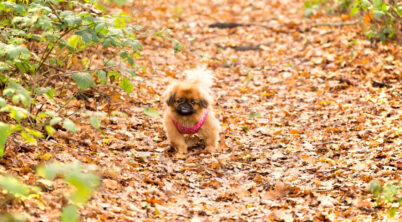
Pekingese dogs eat a diet made up of high-quality commercial dog food, cooked lean meats, certain vegetables, and occasional healthy treats like eggs or plain popcorn. These small dogs need food that suits their age, size, and activity level, with most adult Pekingese eating about 1/2 to 1 cup of dry food a day, split into two meals.
Making healthy choices for a Pekingese’s meals helps keep their weight balanced and supports their unique body shape. Knowing what foods are safe—and which should be avoided—can help owners keep their Pekingese happy and healthy for years to come.
Table of Contents
Understanding Pekingese Nutritional Needs
Pekingese dogs are a small breed with special dietary requirements. Their diet should contain the right balance of protein, fats, vitamins, and minerals to support good health, manage weight, and help prevent common issues like obesity or joint problems.
Role of High-Quality Proteins
Protein is essential for Pekingese dogs to build and repair muscles and maintain a healthy coat and skin. Because they are a small breed, their daily intake of protein should come from high-quality sources such as chicken, turkey, beef, fish, or lamb. Some owners may choose commercial dog foods that list real meat as the first ingredient.
Animal-based proteins are preferred because they provide all the essential amino acids needed for growth and body repair. Plant proteins like soy or peas can be included, but should never replace animal sources. Senior or less active Pekingese may need slightly less protein, but it should remain a core part of their diet.
Always check food labels to make sure protein content is appropriate for toy breeds. Overfeeding protein can add unnecessary calories, which may lead to weight gain.
Importance of Healthy Fats and Omega Fatty Acids
Healthy fats provide energy and help absorb vitamins such as A, D, E, and K. For Pekingese, fats also contribute to a shiny coat and healthy skin. Look for foods with chicken fat, fish oil, or flaxseed oil as these are good sources of healthy fats.
Omega-3 and omega-6 fatty acids are important for brain function, reducing inflammation, and supporting joint health. Fish oil (such as salmon oil) is a rich source of omega-3 and is commonly added to high-quality dog foods.
Because Pekingese can be prone to obesity, the amount of fat in the diet should be watched carefully. Choose foods with moderate fat levels, and avoid giving fatty table scraps or unhealthy treats.
Essential Vitamins and Minerals
Vitamins and minerals are vital to a Pekingese’s metabolism, bone strength, nerve function, and immunity. These nutrients should come from a balanced mix of meats, vegetables, and whole grains, or through a complete commercial dog food.
Key vitamins for Pekingese:
- Vitamin A: Supports vision and immune system.
- Vitamin D: Helps with bone growth.
- Vitamin E: Protects cells from damage.
Essential minerals:
- Calcium and phosphorus: Support strong teeth and bones.
- Zinc: Important for skin and coat health.
- Iron: Needed for healthy blood.
A feeding routine that supplies these nutrients in the right amounts helps maintain overall health in Pekingese dogs. Avoid foods with fillers or lacking nutritional details, as these may not meet their special needs.
Best Foods for Pekingese Dogs
Pekingese dogs need a balanced diet that includes quality protein, healthy fats, and digestible carbohydrates. Fresh fruits, vegetables, and the right type of dog food help meet their special nutritional needs as a small breed.
Recommended Proteins: Chicken, Beef, Turkey, and Fish
Pekingese dogs do best on foods containing real animal proteins. These include chicken, beef, turkey, and fish. Foods with one main protein often help dogs with sensitive stomachs or allergies.
Chicken is lean and provides essential amino acids. Beef supplies important nutrients like iron and vitamin B12. Turkey is gentle on the stomach and is good for dogs with food sensitivities. Fish offers omega-3 fatty acids, which help maintain a healthy coat and skin for the Pekingese.
Dog foods that list meat as the first ingredient are usually high in protein and fewer fillers like corn or wheat. Grain-free formulas with single proteins are sometimes best if a dog has allergies.
Quick Comparison Table
| Protein | Benefits | Suitable For |
|---|---|---|
| Chicken | Lean, easy to digest | Most dogs |
| Beef | Rich in nutrients, supports muscles | Active dogs |
| Turkey | Low allergen, light on stomach | Sensitive dogs |
| Fish | Omega-3s for coat and skin | Allergic dogs |
Fruits and Vegetables for Added Nutrition
Adding fruits and vegetables to a Pekingese dog’s diet gives them extra vitamins, minerals, and fiber. These help support their immune system and digestion.
Good examples include carrots, peas, sweet potatoes, blueberries, and apples (without seeds). Carrots are great for chewing and are high in beta carotene, while sweet potatoes offer fiber and vitamin A. Blueberries contain antioxidants, and apples are a healthy, low-calorie treat.
Dogs should not eat grapes, raisins, onions, or garlic as these can be toxic. Always serve fruits and vegetables in small, manageable pieces to avoid choking.
Sample Safe Fruit & Vegetable List:
- Carrots
- Peas
- Sweet potatoes
- Blueberries
- Apples (remove seeds)
Wet Food Versus Dry Food
Both wet and dry dog food are popular options for Pekingese dogs. Each type has its benefits and drawbacks.
Dry food, or kibble, is easy to store and can help keep a dog’s teeth clean through chewing. High-quality dry food for small breeds usually contains rich protein and controlled fat levels, supporting their unique energy needs. Grain-free options are available if a dog has allergies.
Wet food has a higher moisture content, which helps with hydration, especially if the dog does not drink enough water. Many Pekingese enjoy the taste and texture of canned food more than dry kibble. However, wet food can spoil quickly if left out and does not clean teeth as well.
Some owners choose to feed a mix of both wet and dry food for balance. Always check the ingredient list and choose dog foods with real meat, clear labeling, and no artificial additives.
Creating a Balanced and Nutritious Meal
Pekingese dogs need meals that provide enough lean protein, healthy carbohydrates, and the right kinds of fats. Their food choices should support their energy needs and prevent weight gain.
Choosing Lean Protein Sources
Lean protein is a main part of a healthy diet for Pekingese dogs. It helps build and repair muscles and supports immune health. Good sources include cooked chicken breast, turkey, and lean cuts of beef. Eggs and some types of fish like salmon also provide high-quality protein.
Processed meats, such as bacon or sausage, should be avoided because they are high in fat and salt. Most commercial dog foods use chicken, lamb, or fish as the first ingredient, which is ideal. Protein should make up a significant part of each meal, but not be the only food group offered.
Below is a table of suitable protein sources:
| Protein Source | Preparation Tips |
|---|---|
| Chicken breast | Boil or bake, remove skin |
| Turkey | Bake, remove skin |
| Eggs | Cook thoroughly, no salt |
| Salmon | Bake, remove bones |
| Lean beef | Cook, drain fat |
Balancing Carbohydrates and Fats
Carbohydrates provide energy and fiber. Pekingese do well with complex carbs such as brown rice, oatmeal, and sweet potatoes. These help maintain steady energy and digestive health. Avoid foods high in sugar or artificial ingredients, as these can lead to weight gain and health issues.
Fats are also important, but only in controlled amounts. Healthy fats such as those in fish oil, chicken fat, or flaxseed oil support a healthy coat and skin. Lean meats provide necessary fats without excess calories. Avoid feeding fatty table scraps or frying foods in oil. Too much fat can cause obesity, a common issue in Pekingese.
A sample balanced plate might include:
- 40% lean protein
- 40% complex carbohydrates
- 20% healthy fats
Incorporating Nutrient-Dense Options
Nutrient-dense foods give Pekingese dogs plenty of vitamins and minerals without too many calories. Fresh vegetables like carrots, green beans, and spinach are good choices. These can be served lightly steamed or chopped into tiny pieces to avoid choking.
Fruits can be offered in small amounts. Blueberries or apple slices (without seeds) give antioxidants and vitamins. Avoid grapes, raisins, and onions as they are toxic to dogs.
Adding foods tested and labeled as “complete and balanced” by the Association of American Feed Control Officials (AAFCO) helps owners follow proper feeding guidelines. Nutritional supplements are not usually needed unless recommended by a veterinarian. Always provide fresh water and monitor for allergies or sensitivities when new foods are added.
Special Dietary Considerations for Pekingese Health
Pekingese dogs have unique needs due to their small size and body shape. Managing their diet is important to help prevent weight gain, joint pain, and digestive problems.
Weight Management and Obesity Prevention
Pekingese are prone to obesity because they are small, not very active, and have a slow metabolism. Being overweight can cause joint pain and worsen breathing issues, which are common in this breed.
A diet made for small breed dogs can help control calorie intake. Food portions should be measured each day and split into 2-3 small meals instead of one large one. Owners should avoid giving lots of treats or table scraps, as these add extra calories quickly.
Fresh vegetables like carrots or green beans can be used as low-calorie snacks. Always check the label on commercial food to make sure it fits your dog’s age, size, and activity level. Keeping a routine for feeding times helps track how much a Pekingese eats and prevents accidental overfeeding.
Supporting Joint and Digestive Health
Joint and digestive issues are common in Pekingese because of their build and sensitive stomachs. Carrying too much weight adds stress to their small legs and back, leading to joint pain.
Dog foods that have added glucosamine and chondroitin can help support joint health. Look for ingredients like omega-3 fatty acids, found in fish oil, to reduce joint inflammation. Owners should avoid foods that are high in fillers or artificial ingredients, since these can upset the stomach.
Feeding smaller meals makes digestion easier for Pekingese with small stomachs. A food with easily digestible proteins, such as chicken or turkey, along with fiber from vegetables, helps prevent digestive upset. If a Pekingese is prone to allergies, hypoallergenic or limited-ingredient diets may help lessen skin and stomach problems.
Lifestyle Factors Influencing Diet
A Pekingese dog’s daily habits, health, and care routines play a big role in shaping what and how much they should eat. Diet is closely linked to exercise, grooming, and the way feeding is handled each day.
The Impact of Physical Activity
Pekingese dogs are small and can be less active than many other breeds. They enjoy short walks and indoor play but rarely need heavy exercise. Because they have a slower metabolism, they burn calories at a lower rate.
Owners should watch out for signs of weight gain. Feeding smaller, controlled portions helps maintain a healthy weight, especially since extra pounds can affect their joints and breathing. For those that are more active—such as Pekingese that play with kids or join regular walks—a slightly higher calorie intake may be needed.
It’s important to balance their diet with their actual activity levels. Overfeeding a couch-loving dog raises obesity risks, while more energetic Pekingese may require added nutrients. Track treats and snacks, as these can quickly add up.
Grooming and Coat Care for a Healthy Diet
Grooming the Pekingese is about more than looks. Their long, thick coat needs regular care, and diet can greatly affect coat health. A poor diet may result in a dull coat, more shedding, or itchy skin.
Nutrients such as omega-3 and omega-6 fatty acids can promote a shiny, soft coat. Foods with fish oil, flaxseed, or certain commercial diets support skin health and reduce dryness. Protein is also vital, as hair is mostly made from protein.
Regular brushing, bathing, and trimming help remove loose hair and spread skin oils. When combined with a balanced diet, these habits protect against matting and skin irritation. Owners should monitor for any coat changes that may signal food allergies or dietary gaps.
Training and Confidence in Feeding Routines
Training shapes eating habits for Pekingese. A confident, consistent feeding routine gives the dog structure and keeps overeating in check. Dogs like knowing when and where they will be fed each day.
- Pekingese often respond well to routine, so feed at set times in a quiet area.
- Offering praise after finishing meals can build positive associations with eating.
Some Pekingese may be picky or nervous eaters. Gentle training methods—such as rewarding calm behavior around food—can help. This steady approach also reinforces their role as reliable watchdogs, ready to alert but not distracted by irregular eating.
Setting rules and being consistent helps avoid begging, food guarding, or mess at mealtimes. Clear expectations and gentle correction support healthy, stress-free feeding for both dog and owner.